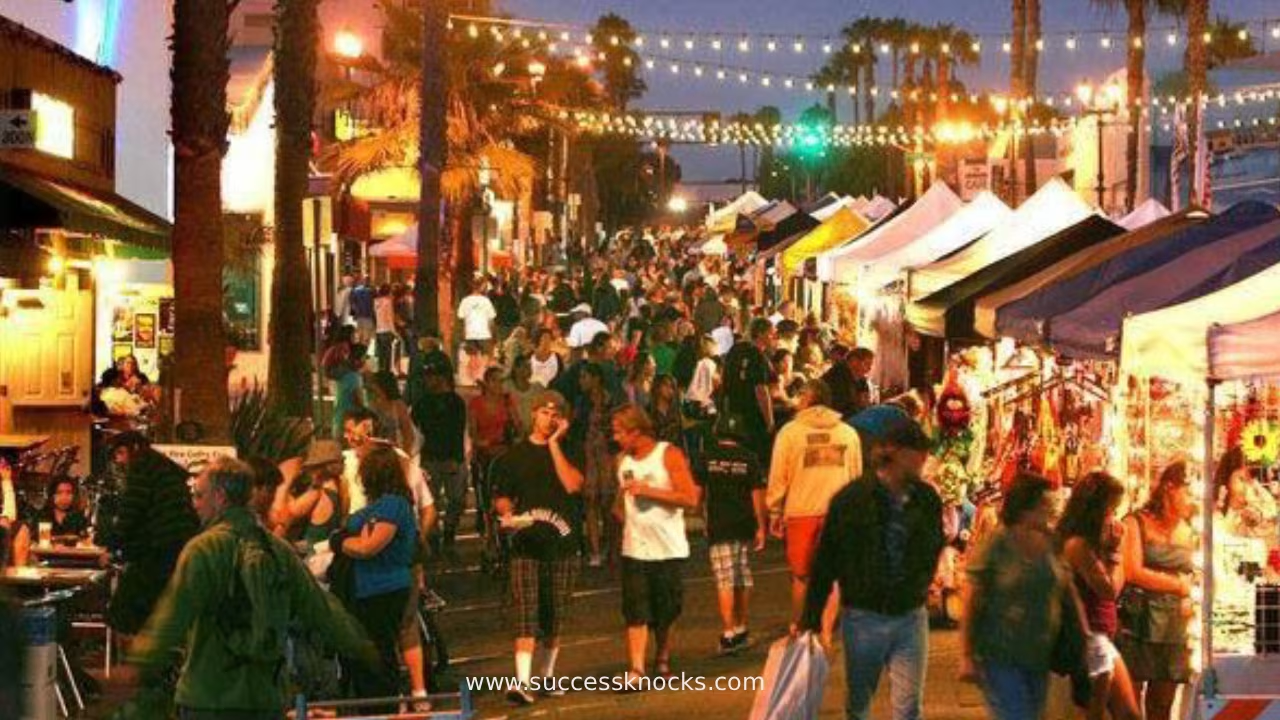
Cultural branding for food and retail businesses helps you build stronger connections with customers by drawing on real traditions, stories, and shared experiences. Many owners struggle to make their products feel distinctive in crowded markets. Customers notice when a brand respects culture instead of treating it like a trend. In this article, we’re going to be taking a look at cultural branding for food and retail businesses, and how you can use authentic cultural elements to grow loyalty and sales. If you would like to find out more, feel free to read on.
Pic – CC0 License
Why Cultural Branding Works for Food and Retail
Customers buy more than products. They buy feelings of belonging and familiarity. When your food menu or retail range reflects genuine cultural roots, people respond. Think of Caribbean flavors, vibrant patterns, or community recipes. These elements create instant recognition.
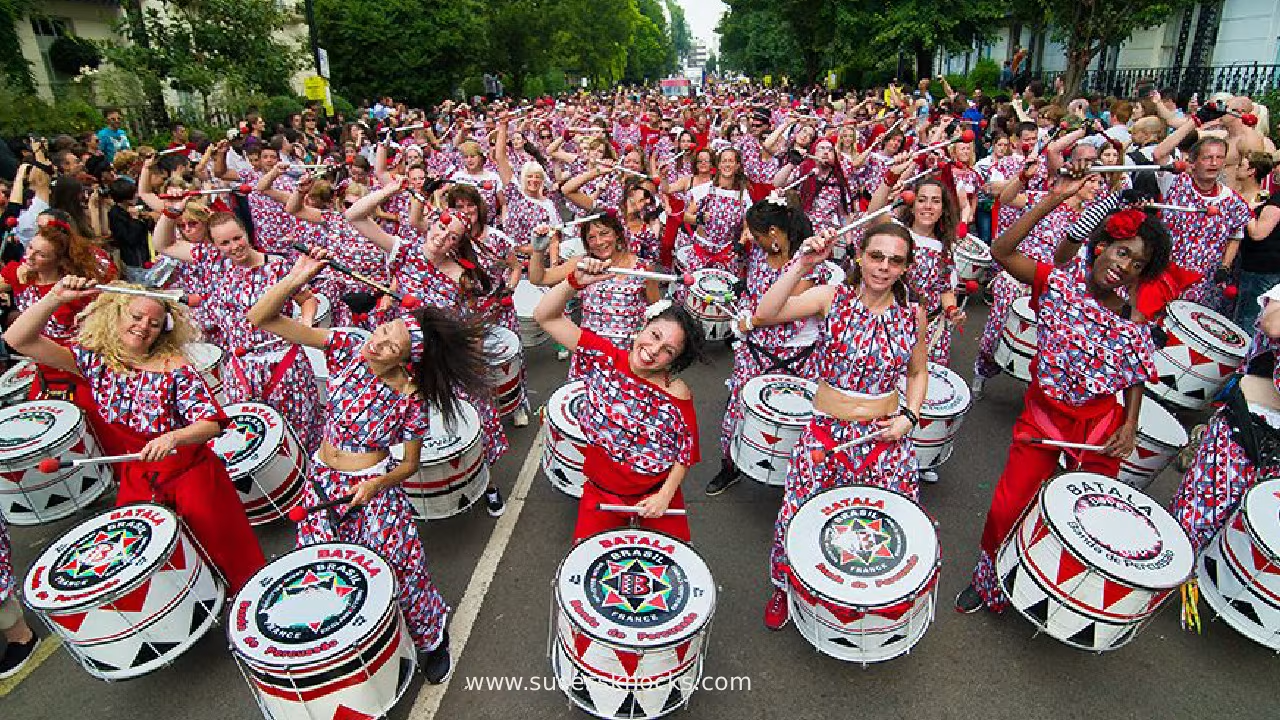
Notting Hill Carnival 2026 London shows this in action every year. The event celebrates Caribbean heritage through food stalls, costumes, and music. Vendors succeed because they offer authentic jerk chicken, plantain, and other favorites that feel true to the culture. Retail sellers of fabrics, jewelry, and accessories do the same. The crowds return because the experience feels real.
Your business can apply the same principle without copying the carnival. Start with what feels natural to your brand. If you sell food, highlight family recipes or regional ingredients. If you run a retail shop, choose patterns, colors, or product stories that connect to a clear cultural background.
Building Authentic Stories Around Your Products
Cultural Branding for Food and Retail Businesses Keep the story simple and honest. Share where a recipe comes from or how a fabric design has meaning. Avoid exaggeration. Customers spot fake claims quickly.
In food businesses, menu descriptions that mention cultural origins perform better than generic ones. A note about a spice blend used for generations adds value. In retail, tags or displays that explain the cultural context of a product help shoppers understand its worth.
Look at how large events handle this. Guides from Time Out London describe the food and fashion at the carnival as rooted in Caribbean traditions. That clear link draws people in. You can create similar clarity on your website, packaging, or in-store signs.
Test small changes first. Update three menu items or one product line with cultural context. Measure whether customers spend more time reading or ask more questions. Adjust based on what you see.
Practical Steps for Food Businesses
Focus on taste and presentation that feel true. Source ingredients that match the cultural story you tell. Train staff to answer basic questions about the origins of dishes. Offer limited-time items tied to cultural seasons or festivals when it fits.
Street food and small cafes often win by keeping portions generous and flavors bold. Customers remember the experience. Pair that with simple packaging that uses cultural colors or motifs without overdoing it.
Local council advice for traders at events like Notting Hill Carnival stresses planning for high demand and clear communication. Apply the same discipline to your busy periods. Stock enough of your signature cultural items and keep service friendly under pressure.
Practical Steps for Retail Businesses
Choose products that have clear cultural ties. Display them in groups that tell a short story. Use natural materials and colors that match the origin culture. Avoid mixing too many unrelated styles in one section.
Train your team to talk about the products with respect and basic knowledge. A short training session on the cultural background goes a long way. Customers appreciate when staff can explain why a certain pattern or material matters.
Online retail works the same way. Product photos and descriptions should show the cultural context. Include lifestyle images that feel genuine rather than staged. Encourage customers to share how they use the items in their own lives.
Avoiding Common Mistakes
Cultural Branding for Food and Retail Businesses Do not claim a culture that has no real link to your business. Customers notice and react poorly. Do not reduce culture to a single stereotype. Keep the representation broad and respectful.
Stay consistent. If you introduce cultural branding, maintain it across packaging, social posts, and customer service. Mixed messages weaken the effect.
Track results. Watch sales of culturally branded items against your regular range. Note customer feedback and social mentions. Use the data to refine your approach.
Many USA-based food and retail owners already work with Caribbean, Latin, African, or Asian influences. Drawing honest inspiration from community events helps keep the branding grounded.
We hope that you have found this article enlightening in some way and that these ideas on cultural branding for food and retail businesses give you clear next steps. Pick one product or menu item this week and add a genuine cultural story. Watch how your customers respond.