Ductless mini split maintenance guide — that’s what you’re looking for, and you’re absolutely right to focus on it. A mini split that’s cleaned and checked regularly runs quieter, cools (and heats) better, and lasts years longer than one that’s ignored until it fails.
Before jumping into deeper detail, here’s the short version.
- Clean or wash your indoor filters every 2–8 weeks, depending on use and dust.
- Keep indoor and outdoor coils clean and unobstructed for proper airflow.
- Flush or inspect the drain line to prevent leaks and mold.
- Schedule professional servicing every 6–12 months for performance checks and deep cleaning.
- Use a trusted service provider (for example, those offering split unit aircon servicing singapore–level thoroughness) for complex tasks and refrigerant work.
Let’s walk through this like a practical field checklist, not a fluffy brochure.
How a Ductless Mini Split Works (and Why Maintenance Matters)
A ductless mini split has two main parts:
- Indoor unit (air handler) – evaporator coil, blower, filter, electronics
- Outdoor unit (condenser) – condenser coil, compressor, fan
Refrigerant cycles between these two units, absorbing heat indoors and dumping it outside (or the reverse in heating mode).
When you skip maintenance:
- Dust chokes filters and coils.
- Airflow drops, the system runs longer, and energy use climbs.
- Condensate drains clog and leak onto your wall or floor.
- In the worst case, the compressor overheats and fails, which is usually a wallet-killer.
Treat your mini split like a car. Maintenance is cheap insurance against big repairs.
Core Ductless Mini Split Maintenance Tasks (DIY + Pro)
1. Clean the Indoor Filters
This is your easiest and highest ROI task.
How often:
- Light use, clean home: every 6–8 weeks
- Heavy use, pets, or smokers: every 2–4 weeks
Steps:
- Turn the system off.
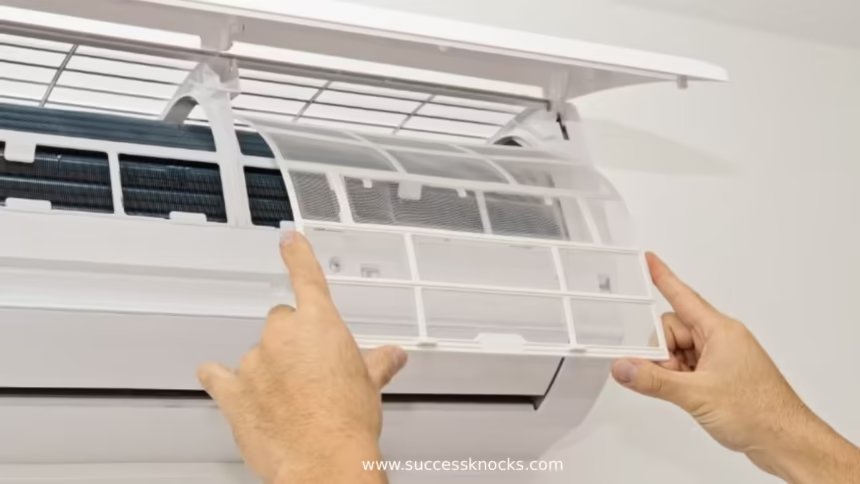
- Open the front cover on the indoor unit.
- Gently remove the filters—usually they slide out.
- Rinse with lukewarm water until the dust is gone.
- Let them dry fully before reinstalling (no direct high heat).
- Put them back, close the cover, and restart the unit.
If the filter mesh is torn or warped, replace it rather than forcing it back into service.
2. Keep the Indoor Coil and Housing Clean
You’ll often notice dust on the plastic fins and louvers below the coil.
What you can do safely:
- Wipe accessible plastic surfaces with a slightly damp microfiber cloth.
- Use a soft brush attachment on a vacuum to remove loose dust around the intake area.
What to leave to pros:
- Deep cleaning of the evaporator coil
- Chemical wash or cleaning sprays inside the unit
- Disassembly to reach the blower wheel and hidden parts
That deeper cleaning is best done by a trained technician, particularly one used to split unit aircon servicing singapore–style full-service cleaning.
3. Check and Clear the Condensate Drain
Mini splits remove moisture from the air. That water needs to go somewhere, and that “somewhere” is the condensate drain line.
Signs of drain problems:
- Water dripping from the indoor unit
- Musty or moldy smells near the unit
- Stains on the wall below the unit
Basic homeowner actions:
- Visually inspect the drain outlet (outside or at the pump drain) for clogs or kinks.
- Make sure the line slopes continuously downward and is not pinched.
For flushing the line with pressurized nitrogen or a pump, or servicing a condensate pump, bring in a pro.
4. Maintain the Outdoor Unit
Your outdoor unit lives in the real world: dirt, leaves, wind, and weather.
Checklist:
- Keep at least 2–3 feet of clear space around the unit.
- Remove leaves, branches, and debris from the top and sides.
- Gently rinse coil fins with a low-pressure garden hose, spraying at an angle, not straight on.
Avoid:
- Pressure washers (they can bend fins and force water into the cabinet).
- Covering the unit in airtight plastic during winter — that traps moisture.
If the coil looks heavily clogged or oily, or if fins are bent badly, that’s professional territory.
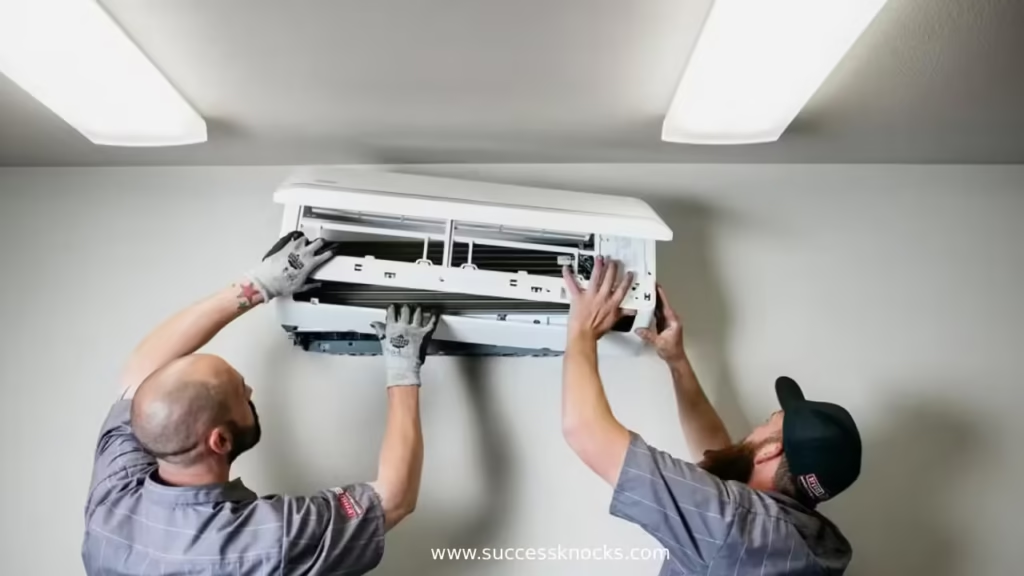
5. Professional Servicing: What a Good Visit Looks Like
You don’t need a tech for every dust speck, but you absolutely benefit from regular pro-level servicing.
A thorough professional ductless mini split maintenance visit typically includes:
- Cleaning or washing indoor filters (and showing you how, if you’re new).
- Inspecting and cleaning indoor coils and blower wheel.
- Cleaning condensate pan and flushing the drain line.
- Cleaning the outdoor coil and checking fan operation.
- Verifying system operation: temperature split, basic refrigerant pressures (where allowed), and electrical measurements.
- Checking for unusual noises, vibrations, or error codes.
If you want the gold standard, look for companies that handle comprehensive work similar to split unit aircon servicing singapore, where they’re used to high-humidity environments and deep cleaning.
Maintenance Frequency: How Often Is “Enough”?
Here’s a simple framework.
For Most Homeowners
- Filters: every 4–8 weeks
- Outdoor unit visual check: once a month during heavy use
- Professional servicing: every 12 months
For Heavy Use (Year-Round or Harsh Conditions)
- Filters: every 2–4 weeks
- Outdoor unit check: monthly
- Professional servicing: every 6 months
For Light Use (Vacation Home, Seasonal Cabin)
- Filters: at start and end of the season
- Professional servicing: annually or just before the season
If you’re unsure, lean slightly toward more frequent professional checks at the start. You can adjust after you see how your system behaves over a couple of seasons.
Step-by-Step Annual Maintenance Plan
Here’s a practical yearly playbook.
Step 1: Start with a Visual Inspection
- Indoor: look for dust buildup, discoloration, or water staining.
- Outdoor: check for obstructions, animal nests, or corrosion.
- Note any weak airflow, odd noises, or smells.
Step 2: Deep Clean Filters and Indoor Surfaces
- Do a thorough wash of all filters.
- Gently clean accessible plastic surfaces.
- Make sure louvers move freely with the remote.
Step 3: Reset Your Thermostat / Remote Settings
- Confirm your preferred temperature and mode.
- Turn off obscure “test” or “powerful” modes you might have toggled accidentally.
- Use timer or scheduling features to avoid running the unit unnecessarily.
Step 4: Book a Professional Service Visit
During that visit, you want:
- Coil cleaning (especially if it’s been 1–2 years)
- Drain line inspection and flushing
- Performance testing and electrical checks
- A quick, plain-English explanation of the unit’s condition
If you manage multiple units, a service plan or contract may make sense financially.
Common Mini Split Maintenance Mistakes (And How to Avoid Them)
Mistake 1: Waiting for a Problem Before Calling a Tech
By the time your system “can’t keep up,” you may already have:
- Refrigerant issues
- Coil fouling
- Electrical stress
Prevention costs less than repair. Don’t wait for a failure to schedule maintenance.
Mistake 2: Using Harsh Chemicals on Coils
Aggressive cleaners can damage coil coatings or fin material.
Better approach:
- Use manufacturer-recommended or HVAC-specific coil cleaners.
- Let pros handle chemical applications and rinsing.
Mistake 3: Blocking Airflow with Furniture or Curtains
If indoor airflow is blocked:
- The unit short-cycles or runs forever.
- Temperature distribution becomes uneven.
Keep both the intake and outlet unobstructed. If you need to rearrange furniture, double-check that the mini split still has clear space.
Mistake 4: Ignoring Strange Noises
Rattles, squeals, or grinding are early warning signs.
- Turn off the unit and inspect for loose panel screws or obvious obstructions.
- If the noise persists, stop using the system and call a tech.
Waiting can turn a minor fix into a motor or compressor replacement.
Mistake 5: DIY Refrigerant “Top-Ups”
Refrigerant handling is regulated and requires certification in many regions. Beyond legal issues, guessing at refrigerant charge can destroy your compressor.
If you suspect low refrigerant (ice formation, low cooling performance, long runtimes), call a professional. Ask for leak testing instead of just “adding gas.”
Performance and Efficiency Tips
Maintenance is only half the story. Settings and usage habits matter, too.
Set Reasonable Temperatures
- In cooling mode, 76–78°F is comfortable for most people.
- Going to 68°F doesn’t necessarily cool the room faster; it just overshoots and wastes energy.
Use “Dry” or “Dehumidify” Mode in Humid Climates
Sometimes humidity is the real comfort issue. Dry mode can handle that with less energy usage than full-on cooling.
Use Fans Strategically
A ceiling or stand fan lets you feel cooler at the same temperature setting. Combine that with regular ductless mini split maintenance and you’ll see a noticeable difference in comfort per dollar spent.
When to Consider Professional Deep Cleaning vs. Replacement
No system lasts forever.
Signs you may need more than just cleaning:
- Unit is 10–15+ years old.
- Major components (compressor, main board) have failed or are failing repeatedly.
- Efficiency is poor compared to newer high-SEER models.
What I’d do if I owned an older mini split with recurring issues:
- Get a thorough inspection and cost estimate for repairs.
- Compare that cost to a new, more efficient system (including potential utility rebates).
- If repairs are more than ~30–40% of new system cost, strongly consider replacement.
In the meantime, keep maintenance on point so you’re not throwing good money after bad.
How split unit aircon servicing singapore Ties in as an Internal Resource
If you want a deeper dive into the professional side of servicing, with more detail on what a complete service should include, it’s worth checking out a detailed breakdown on split unit aircon servicing singapore. Use that as your benchmark when evaluating how thorough your local contractor is and whether their checklist matches the level of cleaning and inspection you actually need.
Key Takeaways
- A solid ductless mini split maintenance guide starts with consistent filter cleaning, coil care, and drain checks.
- Indoor filters are your first line of defense; clean them every few weeks based on use and dust levels.
- Keep indoor and outdoor units clear of obstructions, debris, and aggressive cleaning methods.
- Schedule professional servicing every 6–12 months for diagnostics, deep cleaning, and performance tuning.
- Avoid DIY refrigerant work, pressure washing coils, and ignoring leaks or strange noises.
- As your system ages, use maintenance visits to judge whether a repair or replacement strategy makes more sense.
- For a more technical or service-provider-level perspective, refer to detailed resources on split unit aircon servicing singapore and compare them to your technician’s approach.
A little consistent maintenance keeps your ductless mini split doing what it’s supposed to do: work hard in the background while you stay comfortable and don’t have to think about it.
FAQs
1. How often should I service a ductless mini split?
For most homes, clean the indoor filters every 4–8 weeks and schedule professional servicing once a year. If you use the system heavily year-round, have pets, or live in a dusty environment, servicing every 6 months is a safer bet.
2. What basic maintenance can I do myself?
You can safely clean or wash the indoor filters, wipe down the unit’s exterior, and keep the outdoor unit clear of leaves and debris. Anything involving deep coil cleaning, electrical checks, or refrigerant should be handled by a professional, ideally one familiar with split unit aircon servicing singapore–level thoroughness.
3. How do I know my mini split needs maintenance soon?
Watch for weaker cooling or heating, musty smells, water leaking from the indoor unit, unusual noises, or rising energy bills. If any of these show up, it’s time to perform your basic checks and then book a professional inspection if the issue doesn’t quickly resolve.