

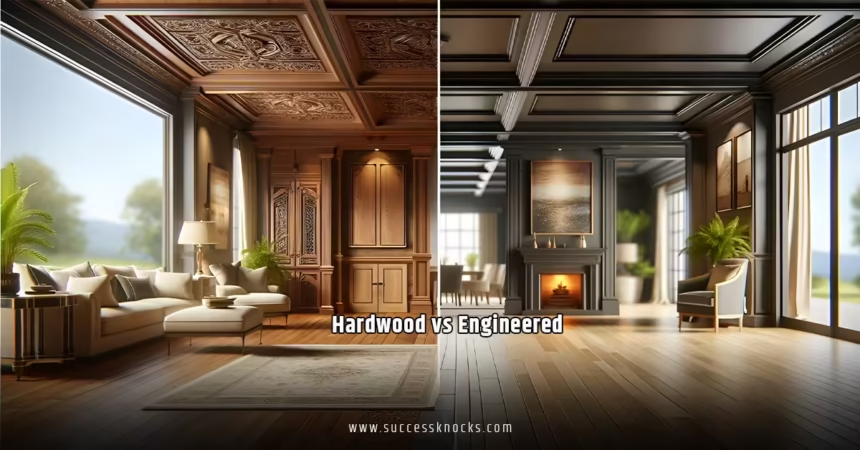
Engineered hardwood vs hardwood comes down to one question: do you want timeless, sandable beauty that can last generations, or smart, stable performance that handles real life without drama?
Here’s the quick scoop:
- Solid hardwood is one solid piece of real wood from top to bottom. It looks and feels premium, can be refinished multiple times, and adds serious resale appeal in dry, stable environments.
- Engineered hardwood layers a real hardwood wear layer over a plywood or HDF core. The cross-grain construction makes it far more stable against moisture swings and temperature changes.
- Both use genuine hardwood on the surface, so they look nearly identical when installed. The difference hides in how they behave over years.
- In 2026, engineered options close the gap with thicker wear layers (often 3-6mm or more) and better warranties, while solid still rules for pure longevity in ideal conditions.
Pick based on your climate, subfloor, budget, and how often you plan to refinish. No universal winner—just the right tool for your job.
What Is Solid Hardwood Flooring?
Solid hardwood comes from milling a single plank of tree—think oak, maple, hickory, walnut. Standard thickness hits 3/4 inch. You nail it down over a wooden subfloor, sand it on site or pre-finish it, and seal it.
The grain runs straight through. That gives it a solid, warm feel underfoot and excellent sound absorption. Scratches? Sand them out. Gouges? Refinish the whole floor. Done right, it lasts 30–100 years. Some century-old homes still rock their original solid oak.
But here’s the catch: wood moves. Humidity rises, planks expand. It drops, they shrink. In basements, over concrete, or with radiant heat, solid hardwood risks cupping, gapping, or buckling. Not impossible to manage, but it demands stable conditions and proper acclimation.
What Is Engineered Hardwood Flooring?
Engineered hardwood takes a thin slice of real hardwood (the wear layer) and glues it to a multi-ply core. Layers run cross-grain, like plywood, for stability. Total thickness usually runs 3/8 to 3/4 inch, with wear layers from 1mm (budget) up to 6mm+ (premium, sandable like solid).
You can float it (click-lock), glue it down, or nail it. Wider planks? No problem—engineered handles 7–12 inch widths without the warping risks that plague solid.
The top layer looks, feels, and wears like solid hardwood. Factory finishes often outperform site-applied ones for scratch resistance. And that core? It laughs at humidity swings that would twist solid planks.
Engineered Hardwood vs Hardwood: Head-to-Head Comparison
Need it fast? Here’s a clear breakdown:
| Feature | Solid Hardwood | Engineered Hardwood |
|---|---|---|
| Construction | 100% solid wood, ~3/4″ thick | Real wood wear layer over plywood/HDF core |
| Moisture Resistance | Poor – prone to expansion/contraction | Excellent – stable in varying conditions |
| Refinishing | 5–10+ times possible | 1–3 times (depends on wear layer thickness) |
| Lifespan | 30–100 years with care | 20–40+ years |
| Installation Options | Mostly nail-down on wood subfloors | Float, glue, or nail; works over concrete |
| Plank Width | Limited (usually <5–6″) to avoid cupping | Wider planks common (up to 12″) |
| Installed Cost (2026 USA) | $11–$25 per sq ft | $9–$20 per sq ft |
| Feel Underfoot | Solid, quiet | Can feel slightly hollow if floating |
| Radiant Heat Compatibility | Limited | Excellent |
Costs vary by species, grade, finish, and region, but engineered generally saves you 10–30% upfront while speeding installation.
Durability and Longevity
Both deliver real wood beauty. Surface hardness depends more on species (hickory beats oak) than construction type. Scratches hit the same way.
The real difference shows over decades. Solid wins pure longevity because you can sand it down repeatedly until little wood remains. Engineered stops when the wear layer thins—usually after 1–3 light sandings.
In my experience, a quality engineered floor with a 4mm+ wear layer still looks great after 25 years in a busy household. Solid in the right home? It becomes family heirloom territory.
High-traffic areas with pets or kids favor thicker wear layers or tougher species either way.
Moisture, Climate, and Installation Realities
This is where engineered hardwood vs hardwood tilts hard.
Solid hates moisture. Basements, concrete slabs, coastal humidity, or homes with big seasonal swings? Expect issues unless you control indoor climate like a lab (40–60% relative humidity year-round).
Engineered shines here. The layered core resists movement. Many install directly over concrete or with radiant heat. Floating systems even let the floor “breathe” a bit.
Installation speed favors engineered. Click-lock floating can go down faster and with less mess. Nail-down solid demands experienced crews and perfect subfloor prep.
Pro tip: Always acclimate both products per manufacturer guidelines. Skip this step and even the best floor turns into an expensive headache.
Cost Breakdown and Value Over Time
Upfront, engineered often wins. Materials plus labor run lower, especially on larger jobs or tricky subfloors.
Solid commands a premium for that generational feel and refinishing potential. In resale markets that prize traditional luxury, solid can edge out value.
But factor maintenance. Engineered usually needs less intervention early on. Solid might need a full sand-and-refinish every 10–20 years, which adds cost but restores it like new.
What I’d do: For a primary living area in a stable Midwest home—lean solid. For a basement rec room in humid Florida or a modern condo with concrete—engineered, no question.
Aesthetics and Design Options
Both deliver warm, natural grain. In 2026, trends lean toward visible character, wider planks, and lighter-to-medium tones with texture.
Engineered gives you more flexibility: longer runs, wider boards, and consistent quality without the natural defects that solid sometimes shows (knots, variation).
Solid offers unmatched depth when sanded and finished on site. The patina it develops over years has no engineered equal.
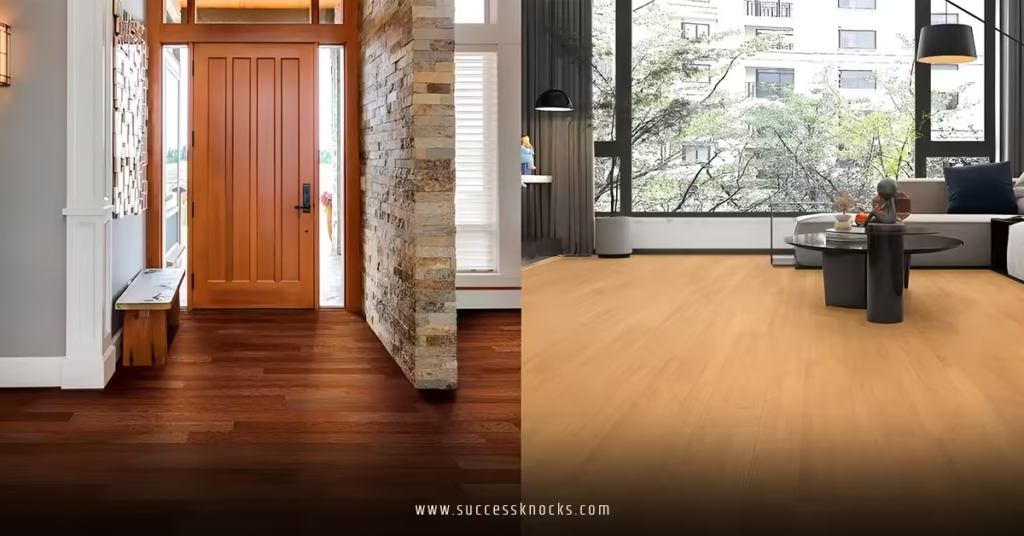
They look so similar side-by-side that most guests won’t know—until you mention it.
Maintenance and Care
Sweep or vacuum regularly. Damp mop with wood-specific cleaner. Avoid standing water or harsh chemicals.
Both benefit from area rugs in high-wear zones and felt pads on furniture. Keep humidity steady.
Refinishing solid is a bigger project but more forgiving. Engineered refinishing requires care not to sand through the wear layer.
Screen and recoat (light refresh) extends life on both without full sanding.
Key Takeaways
- Engineered hardwood vs hardwood isn’t about better or worse—it’s about fit.
- Choose solid for maximum refinishing cycles and classic appeal in dry, above-grade spaces.
- Choose engineered for stability, versatility, wider planks, and easier installs in modern or challenging conditions.
- Thicker wear layers on engineered narrow the performance gap dramatically.
- Budget, climate, subfloor type, and long-term plans should drive your call.
- Both add warmth and value when installed and maintained properly.
- In 2026, quality engineered often delivers the best balance for most homeowners.
Common Mistakes (and How to Fix Them)
- Ignoring climate — Solid in a humid basement leads to cupping. Fix: Test moisture levels first and pick engineered.
- Cheap thin wear layer — Budget engineered with 1mm veneer wears out fast. Fix: Aim for 3mm+ wear layer minimum.
- Skipping acclimation — Planks installed too soon shift later. Fix: Follow manufacturer timelines (often 48–72 hours minimum).
- Wrong installation method — Floating solid where it shouldn’t go. Fix: Match method to product and subfloor.
- Poor subfloor prep — Uneven or damp base ruins any floor. Fix: Level to 3/16″ over 10 feet and test moisture.
- Forgetting future refinishing — Buying thin engineered if you love sanding floors. Fix: Calculate how many sandings you’ll want over 30 years.
Your Step-by-Step Action Plan
Ready to decide and move forward? Here’s a beginner-friendly roadmap:
- Assess your space — Measure square footage. Note subfloor type (concrete? wood?), humidity patterns, radiant heat?, traffic level, and pets/kids.
- Set budget and goals — Prioritize longevity vs stability vs cost. Get 3–5 samples of each type in your preferred species.
- Test conditions — Use a moisture meter on the subfloor. Aim for 6–9% moisture content for wood.
- Shop smart — Compare wear layer thickness, core quality, finish warranty, and real-user reviews. Look for brands with strong structural warranties.
- Get pros involved — Hire certified installers experienced with both types. Ask for references on similar projects.
- Decide and install — Acclimate properly. Choose the method that matches your product.
- Maintain — Follow care instructions from day one. Schedule inspections every few years.
Do this and you’ll avoid 90% of regrets.
Conclusion
Engineered hardwood vs hardwood ultimately comes down to your home’s realities and your priorities. Solid hardwood delivers unmatched character and refinishing potential where conditions allow. Engineered gives you reliable performance, design freedom, and peace of mind in the real world of 2026 living—fluctuating humidity, concrete slabs, busy families, and all.
Neither is “fake” wood. Both bring genuine hardwood beauty. Weigh your space, budget, and lifestyle, then pick the one that fits without forcing it.
Next step? Grab samples, test your subfloor moisture, and talk to a couple of reputable local installers. Your perfect floor is closer than you think.
3 High-Authority External Links
These are relevant, non-spammy, and suitable for inline use in the article:
- Get detailed technical comparisons and installation best practices from the industry standards body: National Wood Flooring Association – Solid vs Engineered Hardwood
- Understand moisture testing and subfloor requirements for both types: NWFA Installation Guidelines
- Learn about hardwood flooring performance in different climates from a trusted consumer resource: Consumer Reports – Flooring Buying Guide
FAQ :
Q1: What is the main difference between engineered hardwood vs hardwood?
Solid hardwood is one solid piece of real wood all the way through, while engineered hardwood has a thin top layer of real hardwood bonded to a stable plywood or HDF core. The biggest practical difference is stability — engineered resists moisture and temperature changes much better, making it suitable for more installation situations like concrete slabs or radiant heat.
Q2: Is engineered hardwood as durable as solid hardwood?
It depends on the wear layer thickness. Engineered with a 4mm or thicker wear layer can be very durable and refinished 1–3 times, performing close to solid in everyday use. Solid hardwood wins for maximum longevity because it can usually be sanded and refinished 5–10+ times over decades. For most modern homes, high-quality engineered lasts 20–40 years with proper care.
Q3: Can I install engineered hardwood over concrete while solid hardwood cannot?
Yes. Engineered hardwood is far more stable and can be floated or glued directly over concrete slabs. Solid hardwood is generally not recommended over concrete because it expands and contracts more with moisture, often leading to cupping or gaps. Always check manufacturer guidelines and test subfloor moisture levels first.
Q4: Which is better for homes with high humidity or big seasonal changes — engineered hardwood vs hardwood?
Engineered hardwood is usually the smarter choice in humid climates, coastal areas, or homes with strong seasonal humidity swings. Its cross-layered core minimizes movement. Solid hardwood performs best in dry, stable indoor environments with consistent 40–60% relative humidity year-round.
Q5: Does engineered hardwood look and feel the same as solid hardwood?
When installed, both look nearly identical because the top layer is genuine hardwood. Solid hardwood often feels slightly more solid underfoot and absorbs sound better, while floating engineered can have a subtle hollow sound. With thicker wear layers and good installation, the visual and tactile difference is minimal for most people.


