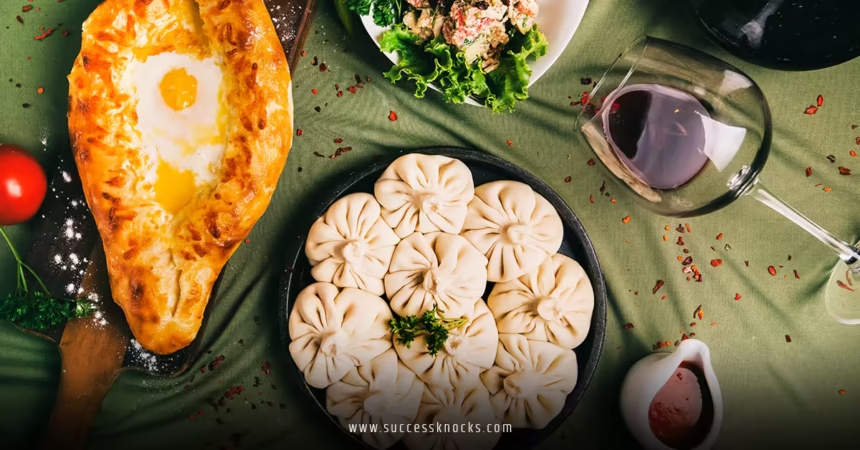
Georgian cuisine basics form the heart of one of the world’s most vibrant and ancient food traditions, blending influences from Europe, Asia, and the Middle East into dishes that are as nourishing as they are flavorful. Originating from the rugged landscapes of Georgia, this cuisine emphasizes fresh, seasonal ingredients, bold spices, and communal dining, making it a perfect entry point for anyone eager to explore global flavors.
Overview Summary
Georgian cuisine basics cover foundational elements like staple ingredients, cooking techniques, and signature dishes that highlight the country’s rich heritage.
- Core Ingredients: Walnuts, pomegranates, fresh herbs, and cheeses form the backbone of many recipes.
- Key Techniques: Fermentation, grilling, and baking in traditional ovens create unique textures and tastes.
- Cultural Role: Meals often symbolize hospitality, with sharing platters encouraging conversation.
- Health Benefits: Nutrient-dense foods promote balanced diets, though portions should align with personal needs.
- Quick Start Tip: Begin with simple dishes like salads or breads to build your skills before tackling complex feasts.
What Defines Georgian Cuisine Basics?
Georgian cuisine basics revolve around hearty, flavorful dishes that reflect the country’s diverse geography, from mountainous regions to fertile valleys. At its core, it features a balance of proteins, vegetables, and grains, often prepared with techniques like stewing, marinating, and fermenting. This style of cooking prioritizes freshness and seasonality, drawing from locally sourced produce such as herbs, nuts, and dairy.
For newcomers, think of Georgian cuisine as a tapestry of tastes: spicy adjika sauces, tangy tkemali plum relishes, and creamy cheese spreads that elevate simple meals. Unlike some cuisines that focus on minimalism, Georgian basics emphasize abundance and variety, making every meal an event. This approach not only satisfies hunger but also fosters social bonds, as seen in the tradition of supra, or feasts.
The History and Cultural Significance of Georgian Food
Georgian cuisine has evolved over millennia, influenced by ancient trade routes along the Silk Road. Historical records from the 5th century BC, as noted by scholars in Georgian archaeological studies external link: National Parliamentary Library of Georgia, show that early Georgians cultivated grapes for wine and wheat for bread, laying the groundwork for modern recipes.
Culturally, food in Georgia is intertwined with identity and celebration. It’s common to serve multiple dishes at gatherings, symbolizing generosity. For instance, during holidays like Easter, families prepare elaborate spreads that include both savory and sweet elements. In everyday life, Georgian cuisine basics promote sustainability, using every part of an ingredient to minimize waste—a practice that’s increasingly relevant today.
Essential Ingredients in Georgian Cooking
Mastering Georgian cuisine basics starts with understanding its key ingredients, which provide the foundation for most dishes. These aren’t exotic; many can be found in local markets, but their combinations create magic.
Must-Have Staples
- Herbs and Spices: Fresh coriander, basil, and fenugreek add aromatic depth, while spices like blue fenugreek and saffron bring warmth.
- Nuts and Fruits: Walnuts are a superstar, used in sauces and salads, alongside pomegranates for their tart sweetness.
- Dairy Products: Cheeses like sulguni offer a stretchy, mild flavor, perfect for baking or grilling.
- Grains and Breads: Wheat-based doughs form the base of breads and pastries, providing structure and satisfaction.
In my experience, sourcing high-quality versions of these—such as organic herbs—enhances authenticity. For a deeper dive into one staple, explore how Georgian bread plays a central role in many meals [internal link: Georgian bread].
Popular Dishes and How to Prepare Them
Georgian cuisine basics include a range of dishes that showcase its diversity. From starters to mains, here’s a breakdown of popular options, with simple preparation tips.
Starters and Sides
- Pkhali: A vegetable pate made from beets or spinach, blended with walnuts and herbs. To prepare: Boil veggies, mix with ground nuts, and chill for a refreshing appetizer.
- Salads: Fresh combinations like lobio (bean salad) highlight seasonal produce. Start by soaking beans overnight for better texture.
Main Courses
- Khinkali: Dumplings filled with meat or vegetables, steamed to perfection. The key is twisting the top to seal in juices—practice makes perfect for avoiding leaks.
- Chakhokhbili: A chicken stew with tomatoes and herbs. Simmer ingredients slowly to let flavors meld, resulting in a comforting, one-pot meal.
Each dish demonstrates the cuisine’s adaptability; for example, vegetarian versions swap meat for mushrooms, maintaining the essence while catering to preferences.

Step-by-Step Action Plan for Georgian Meals at Home
If you’re new to Georgian cooking, this plan will guide you through creating a balanced meal, starting with basics.
Gather and Prep Ingredients
- Shop Smart: Stock up on essentials like fresh herbs, nuts, and proteins. Check for quality to ensure vibrant flavors.
- Prep in Advance: Wash and chop vegetables; marinate proteins for at least 30 minutes to infuse taste.
Cook and Assemble
- Start with Basics: Begin with a simple salad or bread to build confidence.
- Build the Meal: Prepare mains like stews next, using one-pot methods for efficiency.
- Add Finishing Touches: Garnish with herbs and serve family-style to encourage sharing.
- Taste and Adjust: Season iteratively—Georgian flavors can be bold, so balance spices to your palate.
Based on my explorations, this approach minimizes waste and maximizes enjoyment, making it ideal for weeknight dinners.
Common Mistakes in Georgian Cooking and Fixes
Beginners often overlook simple details, but these fixes can elevate your results.
- Mistake 1: Over-Spicing: Adding too much heat early. Fix: Start with half the recommended amount and adjust after tasting.
- Mistake 2: Rushing Fermentation: In dishes like pickles, impatience leads to blandness. Fix: Allow proper time, as traditional methods do.
- Mistake 3: Incorrect Textures: Undercooking dumplings. Fix: Ensure a rolling boil and test for doneness.
- Mistake 4: Ingredient Substitutions: Using the wrong nuts can alter flavor. Fix: Stick to walnuts for authenticity when possible.
Comparison Table: Georgian Cuisine vs. Neighboring Cuisines
To appreciate Georgian basics, compare them with nearby traditions for context.
| Aspect | Georgian Cuisine | Turkish Cuisine | Armenian Cuisine |
|---|---|---|---|
| Flavor Profile | Bold herbs, tangy fruits | Spiced kebabs, yogurt | Nutty, herbaceous stews |
| Cooking Method | Stewing, baking | Grilling, stewing | Roasting, braising |
| Key Ingredient | Walnuts, pomegranates | Eggplant, lamb | Yogurt, lavash bread |
| Meal Style | Communal feasts | Meze platters | Family-oriented dishes |
| Health Focus | Fermented foods for gut health | Vegetable-heavy options | Grain-based for energy |
This table shows how Georgian cuisine stands out for its fermented elements, linking back to everyday wellness.
Nuanced Scenarios for Everyday Cooking
Georgian cuisine basics adapt to various lifestyles. For busy weeks, opt for quick salads; for dietary needs, like vegan options, replace dairy with plant-based alternatives. In high-altitude areas, adjust cooking times for stews to account for lower boiling points. If you’re hosting, “if you have guests with spice sensitivities, tone down adjika and offer it on the side for customization.”
Key Takeaways
- Georgian cuisine basics blend fresh ingredients and time-honored techniques for flavorful, nutritious meals.
- Focus on herbs and nuts to capture authentic tastes without complexity.
- Start simple with salads or breads to ease into more elaborate dishes.
- Adapt recipes for your situation, whether dietary or time-constrained.
- Embrace the communal aspect to make eating an experience.
- Experimentation leads to personal favorites—don’t fear tweaks.
- Pair dishes thoughtfully for balanced nutrition.
- Explore cultural stories behind foods for deeper appreciation.
Conclusion
Georgian cuisine basics offer a gateway to delicious, health-conscious eating that celebrates tradition and innovation. By incorporating these elements into your routine, you’ll not only enjoy better meals but also connect with a rich cultural legacy. Try preparing a simple dish today and discover how it enhances your daily life—your taste buds will thank you.
About the Author
Alex Watson is a culinary writer with over 10 years of experience delving into global food cultures, including hands-on trips to Georgia. This article is for informational purposes only, not professional advice.
FAQs
What are the must-try dishes in Georgian cuisine?
Essentials include khinkali dumplings and pkhali salads, which showcase the cuisine’s fresh and bold flavors.
How does Georgian cuisine incorporate health benefits?
It uses fermented foods and fresh produce to support digestion and provide essential nutrients.
Can I find Georgian ingredients easily?
Yes, many like walnuts and herbs are widely available, with substitutes working well in a pinch.
What’s the best way to learn more about Georgian cooking?
Start with online resources or classes, and practice basic recipes to build skills.
How does Georgian bread fit into the cuisine?
Georgian bread serves as a versatile staple, perfect for pairing with various dishes to add texture and satisfaction.