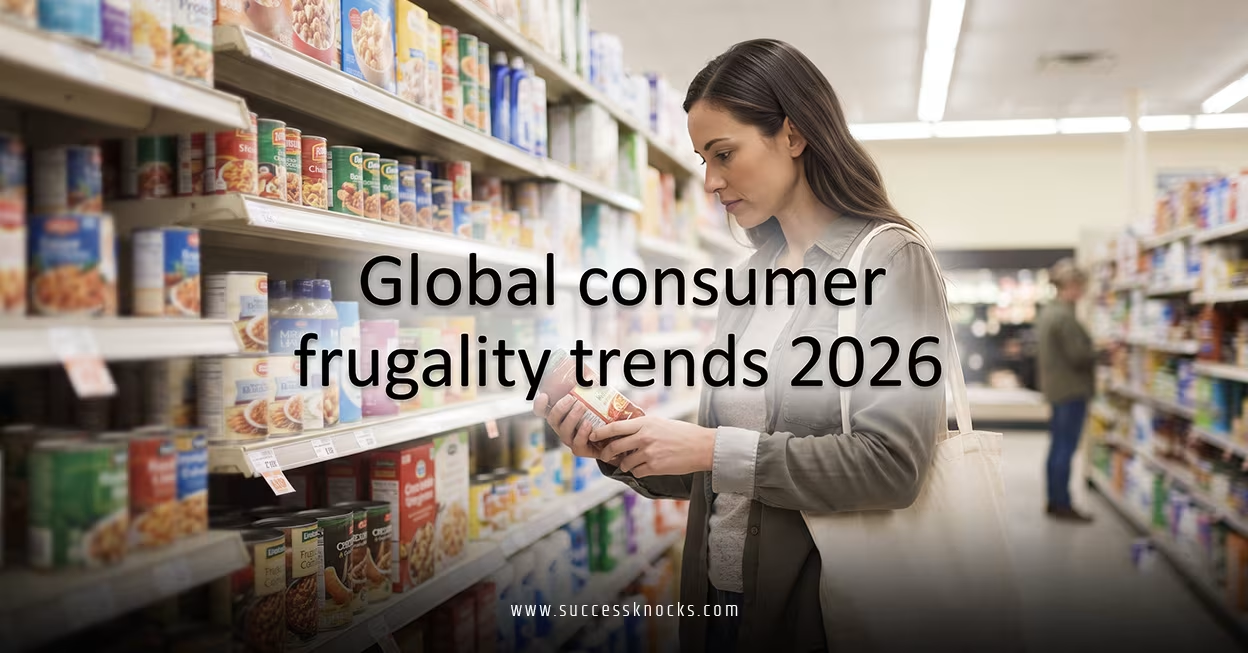
Global consumer frugality trends 2026 are reshaping how everyday people spend their money, and if you run a business, you can feel it in slower sales or tougher price talks. Customers in the USA, UK, Australia, Singapore, and Dubai are watching every dollar more carefully. They’re trading down, cutting impulse buys, and only spending when the value feels clear. This isn’t a short-term blip. It’s a deeper shift that affects how you price products, talk to customers, and plan for growth.
In this article, we’re going to be taking a look at global consumer frugality trends 2026, and how you can adapt your offers to keep customers coming back even when they’re tightening their belts. If you would like to find out more, feel free to read on.
Pic – CC0 License
Why Global Consumer Frugality Trends 2026 Matter for Your Business
Shoppers everywhere are feeling the squeeze from higher living costs and slower wage growth. Reports show many plan to spend less overall this year. In the USA, large numbers of households are switching to cheaper brands or private-label options. UK buyers are growing tired of overpriced experiences and cutting back on restaurants and non-essentials. Australians are budgeting harder after years of price rises. In Singapore and Dubai, people still spend in some areas, yet even there the focus has shifted to getting more for the money.
This careful approach shows up in simple daily choices. People buy smaller packs, hunt deals more often, and stretch what they already own. They’re less likely to grab something on a whim. For your business, that means every purchase has to feel worth it. If your product or service doesn’t clearly solve a problem or deliver solid quality at a fair price, many will walk away or choose a lower-cost alternative.
How Shoppers Are Changing Their Habits
One clear pattern is trading down. Customers keep buying the same types of things but switch to less expensive versions. Private-label products are winning more space on shelves. People also eat and drink at home more often, which lifts grocery spend while restaurant and travel budgets shrink.
Another shift is intentional spending. Shoppers still treat themselves, but they plan those treats. They save in one area so they can enjoy something special in another. Many now repair items or buy second-hand instead of replacing them quickly. Loyalty programs and easy price comparisons online help them stretch budgets further.
These habits appear across income levels. Even higher earners are more careful. Younger buyers stay more open to spending in some categories, yet they still look for value first. The result is a market where price sensitivity sits alongside a desire for quality and fairness.
What These Trends Look Like in Key Markets
In the USA, roughly three-quarters of households trade down in at least some categories. Value retailers and private labels keep gaining ground. Discretionary areas like eating out and non-food retail face the sharpest cuts.
UK consumers show strong “experience fatigue.” They’re quick to drop restaurants or shops that feel expensive without delivering. Discount grocers continue to pressure traditional retailers.
Australia follows a similar path of conscious budgeting. After sustained cost pressures, households focus on essentials and long-term value over fast purchases.
Singapore shoppers balance higher housing costs with selective spending. Many younger people stay in family homes longer, freeing some cash, yet overall they remain deal-aware and selective.
Dubai and the wider UAE stand out with relatively stronger spending plans. Still, value remains important. Local consumers compare offers carefully and respond well to clear quality at a fair price.
Across these markets, the common thread is the same: people want to feel smart about how they spend.

Practical Ways You Can Respond
Start by making value obvious. Show customers exactly what they get for their money. Clear pricing, honest comparisons, and simple quality explanations help. Avoid hidden costs or complicated offers that raise doubts.
Review your product range. Offer good mid-tier or entry options alongside premium ones so budget-conscious buyers have a place to land without leaving your brand. Private-label style thinking can work even for smaller businesses—focus on reliable basics that deliver without extras people no longer want to pay for.
Tighten your messaging. Talk about durability, savings over time, or practical benefits rather than pure luxury or impulse appeal. Loyalty rewards and easy returns also reassure careful shoppers.
Watch your costs so you can stay competitive without constant price hikes. Customers notice when prices jump while quality stays flat. Many prefer straightforward increases over tricks like smaller packs for the same price.
Finally, stay close to your customers. Ask them what matters most right now. Their answers will tell you where to focus energy and where to pull back.
Looking Ahead with Global Consumer Frugality Trends 2026
These patterns are likely to stick. What started as a response to inflation has become a lasting preference for careful, deliberate buying. Businesses that treat frugality as temporary will struggle. Those that build offers around real value, clear communication, and flexible choices will hold attention.
You don’t need to slash prices across the board. You do need to prove that every dollar spent with you delivers something solid. When customers feel they are making a smart choice, they keep coming back—even in tighter times.
We hope that you have found this article enlightening in some way and that the insights help you adjust your approach with confidence. Keep watching how your customers actually behave, test small changes, and stay practical. That’s how you turn a challenging spending climate into steady progress for your business.