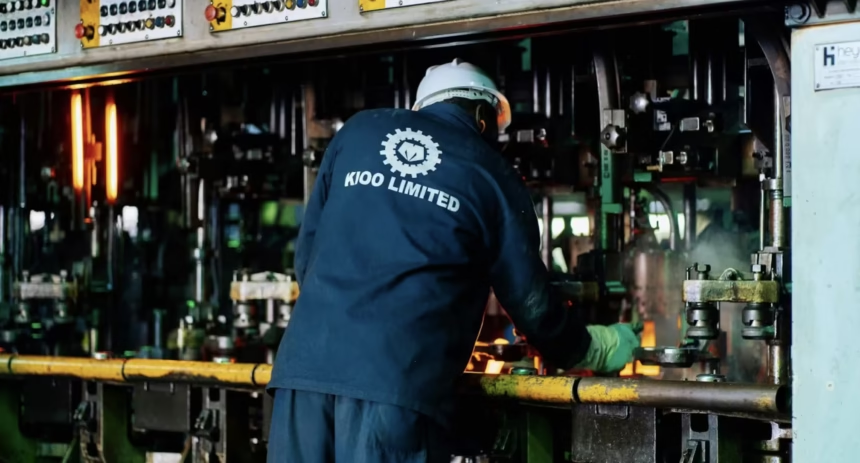
Downtime is really disruptive to any business who experience it. In fact, it is one of the biggest challenges that a company can face, and whether it is caused by equipment failure, poor communication or inefficient processes, it can be devastating in terms of lost productivity and missed opportunities. That is why it is so important that you take a proactive approach to reducing downtime in your operations. Below are a few key things that will help you with that.
Identify the root causes
It will be hard to reduce operations downtime if you do not have any idea what is it that is causing downtime in the first place, right? So, the first thing that you need to do is look at any past incidents of downtime and identify any patterns that could point to a cause. Are breakdowns happening at certain times, with specific equipment, or during particular processes?
By analyzing these trends, you can hopefully pinpoint the underlying causes instead of always just addressing the symptoms and this will allow you to take targeted action to prevent downtime happening again.
Implement preventative maintenance
Prevention, as they say, is better than cure, and this is certainly the case when it comes to operational downtime. Waiting for equipment to fail before you fix it is a really common cause of downtime and one that is sound necessary when you can simply take a preventative maintenance approach to keep things running and head problems off before they ever arise.
Regular inspections, servicing, and part replacements can significantly reduce the risk of unexpected breakdowns. Scheduling maintenance during quieter periods also ensures that it has minimal impact on operations, so why aren’t you already doing this?
Improve communication across teams
Miscommunication can very quickly lead to delays, errors and efficiencies in a business that contribute to downtime. So, it is really important that you take the time to ensure your team are able to communicate clearly and consistently at all times.
This could mean sharing updates about maintenance schedules, operational changes or any potential issues so that everyone is well-informed, working on the same page, and more able to respond fast to any challenges.
Use the right technology
Technology can play a major role in reducing downtime. Systems that monitor performance, track issues, and manage tasks help you stay organised and proactive.
For example, using facility management software allows you to schedule maintenance, track assets, and manage workflows more efficiently. Having all relevant information in one place makes it easier to identify problems early and respond quickly.
The right tools support better decision-making and smoother operations. It’s that simple.
Train your team effectively
A team that really knows their stuff is a team that is better able to respond to challenges and prevent disruption, so it is a good idea ot make sure that all of your employees understand how to operate equipment and recognize warning signs, and that they are able to follow established procedures, as a minimum.
Downtime? What downtime?