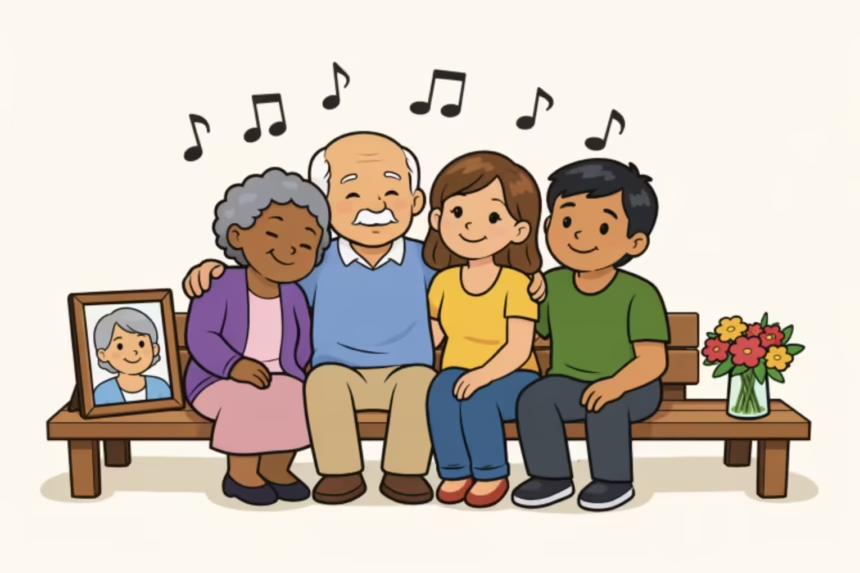
Key Takeaways
- Music is a meaningful way to honor loved ones.
- Personalized musical tributes provide comfort and healing.
- Songs and recordings help preserve memories for future generations.
- Community and memorial music bring people together in remembrance.
- Music creates lasting emotional connections after loss.
Celebrating the lives of those we have lost can take many forms, but few methods offer the deeply personal and universally understood impact of music. Music has been part of memorial practices for centuries, transcending cultural and generational boundaries. Whether you want to make a tribute gift or create an original musical remembrance, the possibilities are as endless as the memories left behind.
Sharing a song, composing an original piece, or simply playing a loved one’s favorite track can be a profound form of tribute. Music bridges the gap between words and emotions, allowing us to feel connected to those who are no longer with us in a way that touches both the heart and the soul. Meaningful musical experiences during memorials can provide comfort, encourage collective recollection, and foster healing within families and communities.
- Music serves as a powerful medium to honor and remember loved ones.
- Personalized musical tributes can provide comfort and preserve memories.
- Various methods, such as recording heartbeats or composing songs, can be employed to create these tributes.
The Power of Music in Memorials
Music’s universal language makes it an ideal companion for remembrance and reflection. Hearing a particular melody can instantly bring back vivid images, cherished conversations, and the very essence of a loved one’s spirit. The right song at a memorial can provide a sense of closure, comfort, and hope, speaking directly to mourners’ emotions. Scientific research indicates that music can ease emotional pain, enhance positive memories, and even reduce stress during difficult times, making it a meaningful choice in the grieving process. For many, integrating music into a memorial service or tribute not only personalizes the event but helps translate deep feelings that words alone cannot express. From classical pieces to modern ballads, music has the remarkable ability to wrap grief in familiarity and presence, uplifting those in mourning. Creating a musical tribute is also an opportunity for active participation. Families or friends may find solace in sharing stories about which songs meant the most to the loved one, adding layers of connection and meaning to the experience. In some cultures, music is a ritual part of saying goodbye, further underscoring its crucial role in memorial traditions worldwide.
Personalized Musical Tributes
Tailoring a musical tribute can be a deeply moving way to capture a loved one’s legacy. Some may find comfort in writing and performing an original song inspired by the deceased’s memories or personality traits. Others opt to curate a playlist of favorite tracks or pieces that hold special significance. This process not only results in a beautiful final product but can also offer a therapeutic outlet for coping with loss. The act of creating, choosing, or performing music for a memorial facilitates story sharing, laughter, and reflection, ultimately providing comfort and a shared sense of connection for everyone present.
Recording Heartbeats as Musical Keepsakes
Increasingly, families are finding meaning in preserving their loved ones’ heartbeat as a unique musical keepsake. By recording a heartbeat and integrating it into a song or melody, the enduring pulse becomes a living memory. Pioneering music therapists, like Brian Schreck, have collaborated with families and patients to turn heartbeats into rhythmic foundations for songs, preserving this personal sound forever. The process can help families feel a sense of ongoing connection and serves as a tangible reminder of their loved one’s presence. This practice is especially meaningful for families of terminally ill patients, offering one last opportunity to co-create a legacy together through music.
Collaborating with Professional Musicians
Working alongside seasoned composers or musicians can elevate memorial music to a new level. Professional collaborators bring the technical skill and creativity needed to tailor musical pieces to reflect the loved one’s individuality. Through recorded songs, live performances, or original compositions, these experts guide families through the artistic process, ensuring the result is poignant and deeply personal. Such collaborations can also be arranged for larger memorial celebrations, allowing family and community to experience a musically enriched tribute.
Community and Public Tributes
On a broader scale, musical tributes can unite communities. Memorial concerts, benefit performances, or communal sing-alongs bring people together in a shared act of remembrance. These events are often therapeutic, fostering collective healing and preserving the memory of the departed in a public space. Schools, churches, and community centers are ideal venues for these gatherings, offering everyone a chance to participate and celebrate life through song. Community music has the power to both honor lives lost and offer hope to those left behind, creating bonds that endure beyond the event itself.
Incorporating Music into Memorial Services
Including meaningful songs in a service can set the tone, evoke memories, and create a comforting rhythm for the proceedings. Families are encouraged to choose selections that hold personal meaning, whether a sacred hymn, a classic favorite, or a tune that reminds attendees of a special moment shared with the loved one. These choices help attendees connect emotionally and strengthen the sense of togetherness during the event. Live music and recorded performances alike are appropriate, depending on preference and availability, allowing for a personalized commemoration that reflects the loved one’s legacy.
Preserving Musical Memories
Documenting and saving musical tributes ensures that memories continue to inspire and comfort for years to come. Recordings can be shared at family gatherings, anniversaries, or kept as digital keepsakes for future generations. Some families create digital playlists or produce professional-quality recordings for broader sharing. In doing so, they create a legacy that can be revisited whenever comfort or connection is needed. These recorded memories become part of the family’s collective story, allowing music to serve as an enduring link to the loved one’s life and legacy.
Conclusion
Honoring loved ones through music brings comfort, connectivity, and healing. From personalized compositions and heartbeat recordings to community tributes and preserved playlists, music provides a lasting tribute that keeps memories alive for generations. Incorporating music into memorials is a timeless way to celebrate a life, share memories, and find solace and hope amid loss.