

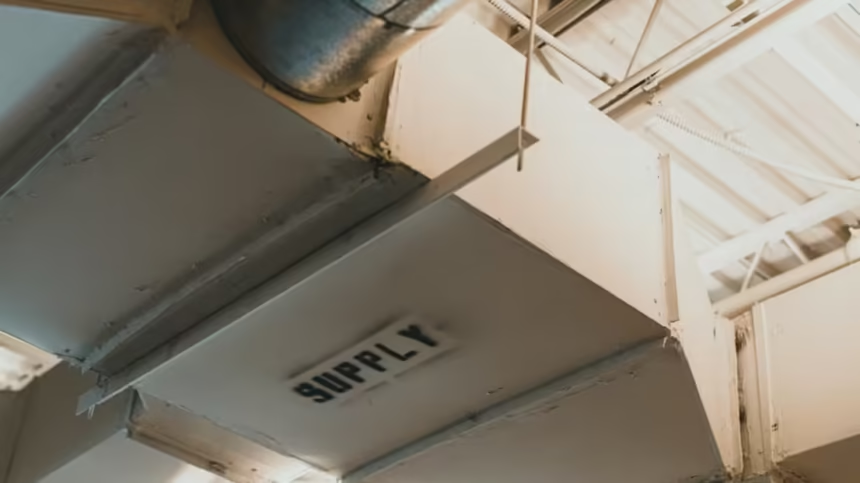
Air distribution is one of the most important yet often overlooked aspects of heating and cooling performance. Even when an HVAC system is operating correctly, poor air distribution can lead to uneven temperatures, stagnant rooms, and ongoing comfort complaints. Some areas may feel overly warm while others remain cool, forcing occupants to adjust the thermostat without lasting results. HVAC contractors approach air distribution as a system-wide concern rather than a single mechanical issue. By focusing on airflow paths, pressure balance, and system coordination, they ensure conditioned air reaches every part of the space as intended. Understanding how HVAC contractors improve air distribution helps explain why balanced airflow is essential for comfort, efficiency, and long-term system stability.
Improving Airflow Step by Step
1. Evaluating Existing Airflow Patterns
HVAC contractors begin improving air distribution by observing how air currently moves through the building. This includes measuring airflow at supply vents, checking return locations, and identifying rooms that consistently experience discomfort. Uneven airflow often results from pressure imbalances within the duct system, where some paths offer less resistance than others. Contractors analyze these patterns to determine whether air is short-circuiting back to returns or failing to reach distant rooms. Homeowners often turn to contractors from trusted service providers at this website when persistent comfort issues suggest that airflow, not equipment capacity, is the underlying problem. By understanding existing airflow behavior, contractors can make informed adjustments that improve distribution rather than masking symptoms with higher output.
2. Addressing Duct Design and Layout Challenges
Duct layout plays a significant role in the efficiency with which air is delivered. HVAC contractors examine duct sizing, routing, and connections to identify areas where airflow may be restricted or uneven. Sharp turns, long runs, or undersized ducts can reduce the air volume reaching certain spaces. Contractors may recommend modifications that reduce resistance and improve balance without major structural changes. Sealing leaks and reinforcing weak connections also help maintain consistent pressure throughout the system. By refining duct design elements, contractors create smoother airflow paths that support even temperature delivery across all rooms.
3. Air Distribution in Focus
Effective air distribution depends on balance rather than force. HVAC contractors align airflow paths, pressure levels, and system timing to ensure air reaches each space evenly. This balanced approach reduces hot and cold spots while improving overall comfort. When airflow is distributed properly, heating and cooling systems operate more smoothly and predictably.
4. Balancing Supply and Return Air
One common cause of uneven air distribution is an imbalance between supply and return air. HVAC contractors assess whether return vents are positioned effectively to draw air back through the system. Inadequate return pathways can trap air in certain rooms, reducing circulation. Contractors may recommend adding or repositioning returns to improve airflow loops. Balanced supply and return airflow allows conditioned air to move continuously rather than pooling in select areas. This balance helps maintain steady temperatures and reduces the risk of pressure-related noise or drafts.
5. Adjusting Airflow Controls and Dampers
Many HVAC systems include dampers or adjustable registers that help regulate airflow to different zones. HVAC contractors inspect and adjust these controls to fine-tune distribution. Dampers that are stuck, misaligned, or incorrectly set can restrict airflow to certain areas. Contractors calibrate these components based on room size, usage, and airflow measurements. Proper damper adjustment allows air to be distributed according to actual needs rather than default settings. This targeted control improves comfort without requiring additional equipment or increased energy use.
6. Managing Fan Performance and Speed
Fan operation plays a key role in air distribution. HVAC contractors evaluate blower performance and fan speed settings to ensure adequate airflow throughout the system. Fans set too low may fail to push air to distant rooms, while overly aggressive settings can create noise and drafts. Contractors adjust fan operation to match duct capacity and distribution goals. Proper fan management supports consistent airflow while minimizing strain on components. This adjustment helps the system maintain balanced distribution during both heating and cooling cycles.
7. Reducing Environmental Barriers to Airflow
Air distribution can also be affected by environmental factors within the building. Furniture placement, closed interior doors, and structural changes can obstruct airflow. HVAC contractors consider how these elements interact with the system and may suggest minor adjustments to improve circulation. Even small changes, such as repositioning vents or modifying airflow direction, can have a noticeable impact. By addressing these barriers, contractors help conditioned air circulate freely and reach all occupied areas more effectively.
8. Ongoing Monitoring and Seasonal Adjustments
Air distribution needs can vary by season as heating and cooling loads shift. HVAC contractors often revisit airflow settings to ensure continued balance throughout the year. Seasonal adjustments help maintain comfort as usage patterns and environmental conditions evolve. Ongoing monitoring allows contractors to make incremental changes that prevent new imbalances from developing. This proactive approach keeps air distribution aligned with current needs rather than allowing issues to accumulate.
Incorporating advanced technology and regular maintenance, HVAC contractors ensure optimal air distribution, enhancing both comfort and energy efficiency. By utilizing state-of-the-art equipment and techniques, they address common issues such as uneven airflow and temperature discrepancies. For those seeking expert guidance and services, consider exploring local options. Visit our Greenville location to discover how professional HVAC solutions can transform your indoor environment. With a focus on precision and customer satisfaction, these experts tailor their approach to meet the unique needs of each space, ensuring a healthier and more comfortable atmosphere. Whether it’s a residential or commercial setting, the right HVAC strategy can make all the difference.
Incorporating advanced technology and innovative design, HVAC contractors are continually enhancing air distribution systems to ensure optimal indoor comfort. By utilizing state-of-the-art equipment and techniques, they can effectively balance airflow, reduce energy consumption, and improve overall air quality. For those interested in seeing these improvements firsthand, you can view it now to explore a location where these cutting-edge solutions are implemented. This approach not only enhances the efficiency of heating and cooling systems but also contributes to a healthier living environment, making it a crucial aspect of modern HVAC services.
In addition to these strategies, HVAC contractors often emphasize the importance of regular maintenance to ensure optimal air distribution. Routine check-ups can identify potential issues before they escalate, ensuring that your system operates efficiently. For those seeking professional assistance, finding a reliable service provider is crucial. Searching for “hvac near me” can connect you with local experts who understand the specific needs of your area. These professionals can offer tailored solutions, ensuring that your HVAC system not only distributes air effectively but also enhances indoor air quality. By prioritizing maintenance and expert guidance, homeowners can enjoy a comfortable and healthy living environment year-round.
HVAC contractors improve air distribution by focusing on airflow patterns, duct design, pressure balance, and system controls. Through careful evaluation and targeted adjustments, they help ensure that conditioned air reaches every part of the space evenly. Proper air distribution supports consistent comfort, smoother system operation, and reduced strain on equipment. Understanding this process highlights why balanced airflow is essential for effective heating and cooling. With professional attention, air distribution becomes a reliable foundation for indoor comfort rather than a source of ongoing frustration.


