In a crowded marketplace, a superior product or a competitive price is no longer enough to guarantee client loyalty. When competitors are just a click away, the quality of your client relationships becomes your most durable asset. Many businesses focus on transactional efficiency but overlook a powerful differentiator: exceptional hospitality. Treating every client interaction as an opportunity to create a positive and memorable experience helps you build connections that go far beyond the bottom line and foster true, lasting loyalty.
This isn’t just about being polite. It’s about strategically integrating the principles of hospitality into your business model to make clients feel valued, understood, and appreciated.
Hospitality as a Business Advantage
When you think of hospitality, hotels and restaurants likely come to mind. However, the core principles of making people feel welcome and cared for are universally applicable and offer a significant business advantage. In a business context, hospitality is the practice of creating a genuinely positive emotional experience for your clients at every touchpoint. It’s the difference between a client feeling like a number on a spreadsheet and feeling like a valued partner.
This approach is becoming more critical as industries evolve. We’re seeing the converging worlds of retail and hospitality, where transactional environments are being redesigned to offer richer customer experiences. The same shift is happening in B2B and professional services. A law firm that offers a comfortable, quiet space with coffee and Wi-Fi for a client waiting for a meeting is practicing hospitality. A software company that sends a small, thoughtful gift after a major project launch is practicing hospitality.
These actions do more than just generate goodwill. They create an emotional connection that builds brand loyalty. When a client feels genuinely cared for, they are more likely to forgive minor mistakes, more willing to provide constructive feedback, and significantly more inclined to refer your business to others. It transforms the relationship from a simple transaction into a human-to-human partnership.
Crafting Memorable Client Events
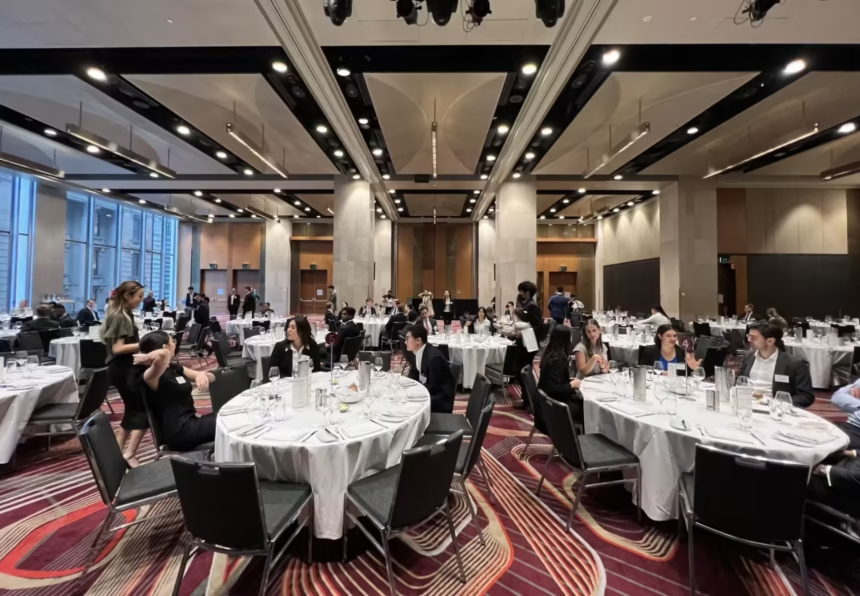
One of the most effective ways to demonstrate hospitality on a larger scale is through well-executed client events. These gatherings are a unique opportunity to connect with clients outside the typical confines of a business meeting, strengthening relationships in a relaxed and engaging environment. A successful event can serve multiple purposes: showing appreciation for loyal clients, launching a new product, or simply providing a valuable networking opportunity.
The key to a successful event is meticulous planning centered on the guest experience. Every detail, from the invitation to the follow-up thank you, reflects on your brand. An event that feels cheap or disorganized can do more harm than good. Instead, focus on creating memorable moments for guests that reinforce your company’s values and commitment to quality. This includes selecting an appropriate venue, planning an engaging agenda, and ensuring seamless logistics.
Of all the elements, the quality of the food and beverage experience is often what guests remember most. Partnering with a professional corporate catering provider means more than simply serving great food. Experienced catering teams help plan menus, accommodate dietary preferences, coordinate service, and deliver a polished dining experience that complements your event. With those details expertly managed, you can focus on building meaningful conversations with your clients while creating an event that leaves a lasting positive impression.
Personalized Service: The Competitive Edge
While grand events make a big impression, the true foundation of a hospitality-driven business is built on consistent, personalized service in daily interactions. This is where you can truly differentiate yourself from competitors who may offer similar products or services. Personalization goes beyond addressing a client by their first name in an email. It’s about demonstrating that you know and understand their specific needs, challenges, and preferences.
Leveraging your Customer Relationship Management (CRM) system is a great starting point. Train your team to log important details beyond just contact information.
- Did a client mention an upcoming family vacation? Make a note to ask about it on your next call.
- Do they prefer a phone call over an email for urgent matters? Record that preference.
- Did they express frustration with a particular process? Flag it for follow-up.
These small, personal touches show that you are listening and that you care about them as individuals. The importance of corporate hospitality extends into these micro-interactions. Empower your employees to act on this information. For example, if a client who runs a seasonal business is heading into their busy period, a proactive email offering extra support or a flexible payment schedule can build immense goodwill. This level of attentive service makes clients feel seen and supported, turning a standard business relationship into a trusted partnership.
Measuring Client Satisfaction and Loyalty
Implementing hospitality initiatives is a great first step, but how do you know if they’re actually working? Measuring the return on your investment in client relationships is essential for refining your strategy and securing internal buy-in. While some benefits are intangible, you can track several key metrics to gauge your success.
Start with the basics: client retention and churn rates. A decrease in client churn is a strong indicator that your relationship-building efforts are paying off. Another powerful metric is the Net Promoter Score (NPS), which measures client loyalty by asking a simple question: “On a scale of 0-10, how likely are you to recommend our company to a friend or colleague?” This single question can provide a clear benchmark for client sentiment.
Beyond quantitative data, seek out qualitative feedback.
- Direct Conversations: Encourage your account managers or client-facing staff to have open conversations about the client’s experience.
- Surveys: Use short, targeted surveys after key interactions (like a project completion or support ticket resolution) to gather immediate feedback.
- Review Monitoring: Keep an eye on online reviews and social media mentions to understand public perception.
The goal is to create a continuous feedback loop. Use the insights you gather to identify what you’re doing well and where you can improve. When clients see you actively listening and responding to their feedback, it further strengthens their trust in your brand.
Beyond the Transaction: Building Trust
Ultimately, every act of hospitality, from a warm greeting to a spectacular client event, is an investment in trust. Trust is the currency of modern business. It’s what keeps clients with you when a competitor offers a slightly lower price. It’s what encourages them to try your new services and what motivates them to become vocal advocates for your brand. Trust isn’t built overnight; it’s the result of consistent, reliable, and authentic actions over time.
Exceptional hospitality demonstrates that you are committed to your clients’ success, not just your own. It shows that you see them as partners in a long-term relationship rather than as sources of short-term revenue. This mindset is crucial for building healthy client relationships that can weather any storm. When a problem inevitably arises, a client who trusts you is more likely to work with you toward a solution rather than immediately seeking an alternative.
Think of every interaction as a deposit into a “trust bank.” A positive, helpful experience is a deposit. A mistake handled with transparency and accountability is also a deposit. An impersonal or dismissive interaction is a withdrawal. By consistently making more deposits than withdrawals, you build a strong relational foundation that will support and grow your business for years to come.
Focus on turning every client touchpoint into an opportunity to show you care. It’s this human element that will set you apart and turn satisfied customers into loyal partners.