

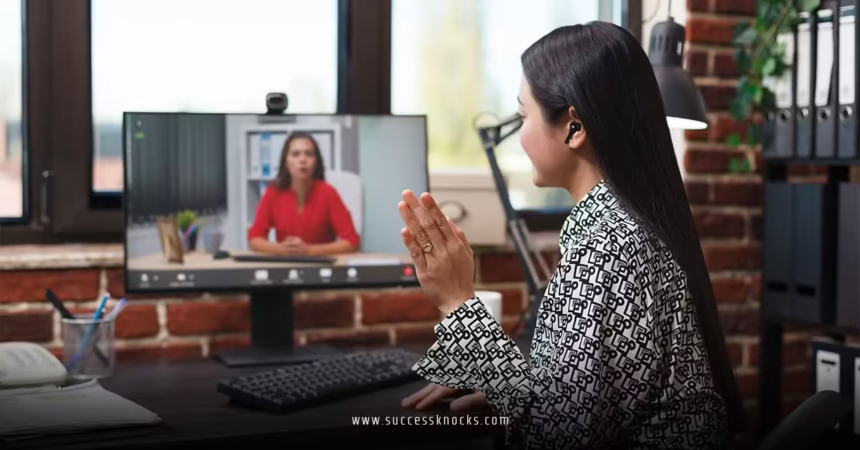
How to conduct an exit interview for a remote employee is one of the most common challenges we hear about from business owners today. Saying goodbye to a reliable team member is never easy, and managing this process through a screen adds a whole new layer of complexity to your daily operations. You want to gather honest feedback, keep the working relationship positive, and ensure your company learns from their departure. But without the usual office environment to soften the blow, things can easily feel a bit stiff or awkward over a video link. In this article, we’re going to be taking a look at how to conduct an exit interview for a remote employee, and how you can turn their parting thoughts into a stronger, better workplace. If you would like to find out more, feel free to read on.
Pic – CC0 License
Planning how to conduct an exit interview for a remote employee
When a team member hands in their notice, your first step is setting up the conversation properly. You do not want to leave this meeting until their final Friday afternoon when they have already checked out mentally. Aim to schedule a video call during their last week, ideally leaving enough time to action any urgent handovers or process changes. Video is essential here, as you need to see their facial expressions and body language to gauge how they are really feeling. Make sure you use a secure platform and always send a calendar invite that clearly explains the purpose of the meeting.
Creating A Safe Space For Honesty
When figuring out how to conduct an exit interview for a remote employee, getting truly useful answers means making the person feel completely comfortable. Start the conversation by thanking them for their hard work and making it clear that their feedback will not affect their references. Remind them that the goal is simply to improve the business for everyone left behind in the team. Because they are sitting in their own home, they might already feel a bit more relaxed than they would in a formal corporate boardroom. Use this comfort to your advantage by keeping your tone warm, friendly, and completely open to constructive criticism.
Knowing exactly how to conduct an exit interview for a remote employee legally
While your main focus is usually on gathering feedback, you also need to tie up some administrative loose ends. Running a business in the UK means you have specific obligations regarding final pay, unused holiday entitlement, and notice periods. Remotely offboarding someone means communicating these details clearly so there is no confusion on their final payday. It helps to briefly outline these steps during the meeting so they know exactly what to expect from your payroll team. If you need a refresher on handling the final administrative steps, the guidance provided by ACAS on ending employment is an excellent resource to keep handy.
Asking The Right Questions
The questions you ask will entirely define the quality of the insights you get out of the meeting. Instead of running through a rigid corporate checklist, try to have a natural conversation that touches on a few core areas. Ask them what they enjoyed most about their time with your company and what they found deeply frustrating. When you are dealing with a remote setup, you also need to ask specific questions about their home working experience. Understanding these remote-specific factors is highly beneficial when it comes to retaining your top talent moving forward.
Exploring Remote Working Culture
Remote workers experience your company culture very differently than office-based staff do. You need to dig into whether they felt included in team decisions or if they felt isolated behind their screen. Ask them if the frequency of team catch-ups worked for them, or if they suffered from endless video meeting fatigue. You should also find out if they had the right software and digital tools to do their job properly every day. Paying close attention to these digital touchpoints provides absolute gold for improving the daily lives of your remaining remote staff.

Handling The Tech And Equipment
Understanding how to conduct an exit interview for a remote employee also means managing the physical hardware retrieval. During the interview, take a few minutes to confirm exactly what company property they have sitting on their desk. You will need a clear plan for them to post it back, and your business should always cover the courier costs to make it as frictionless as possible. You should also remind them about their data security obligations and let them know exactly when their access to company systems will end. The Information Commissioner’s Office outlines clear rules for handling employer and employee data securely, so ensure your offboarding aligns with those standards.
Turning Feedback Into Action
Learning how to conduct an exit interview for a remote employee is only half the battle. The interview is completely useless if you just file the notes away and forget about them the next day. Once the meeting is over, take some time to review what they told you and look for recurring patterns in the data. Share these broad, anonymized insights with your leadership team so you can actively improve your company culture together. Remember, a departing employee is offering you a free consultation on how to run your business better, so take their advice seriously.
Final Thoughts On Saying Goodbye
We hope that you have found this article enlightening in some way. Saying goodbye to a valued team member is a natural part of running a business, but it does not have to be a negative experience. By preparing properly, listening actively, and respecting the unique challenges of remote work, you can turn a resignation into a powerful learning opportunity. Keep refining your approach, stay open to honest feedback, and you will steadily build a workplace that people rarely want to leave.


