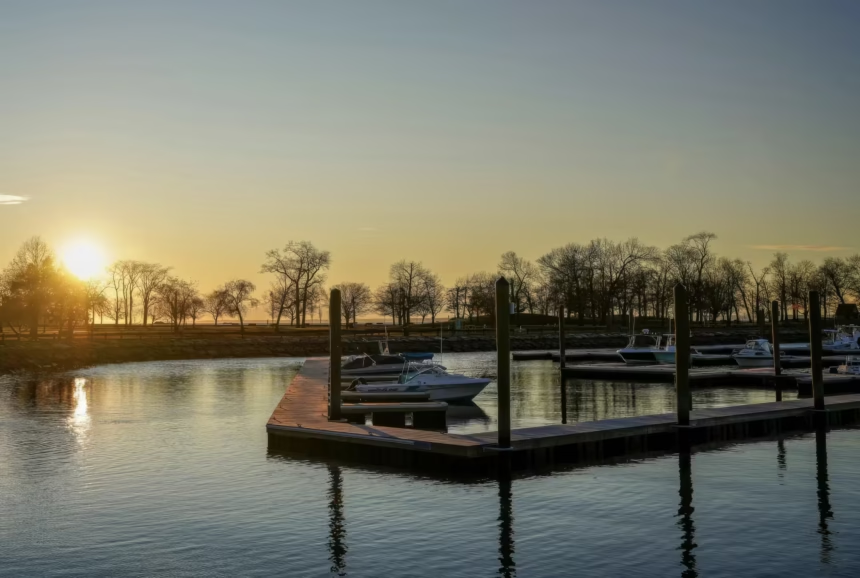
Right by the lake, a thoughtfully built dock often turns into the heart of backyard life at a cabin or shorefront home. When people in the group like doing separate things – some swim, others cast lines – the right setup handles them all without fuss. Swimming feels safer when part of the platform is steady and clear, while shaded corners offer calm spots to fish with ease. Getting in and out of kayaks or motorboats works smoothly if sections are built for quick boarding. With time spent choosing materials that last and fit the look of the shoreline, function blends quietly with appearance. Tough wood, rust free metals, and stable floats keep everything working year after year.
Designing How the Dock Is Set Up
Start by sketching a layout where varied uses fit neatly but don’t overcrowd the space. Where swimming happens needs distance from boat traffic – keeps things safer, less messy. Instead of mixing in rods and reels with foot traffic, give fishing spots breathing room plus gear access. Paths stay wide when zones get their own corners, not overlapping. Each part works better if it owns its patch, yet still connects smoothly.
Water depth matters when planning what goes where along the edge. Where it’s shallow, people tend to swim more easily. Deeper spots usually handle boat traffic better. Some property owners include a kayak launch dock near a quieter section of the shoreline to make launching small watercraft easier and safer. Looking closely at waves, how deep it gets, and entry points shapes smart long term choices. Decisions made early stick around.
Selecting Long Lasting Dock Building Materials
Starting with strong materials matters when putting together a dock meant to face water and changing skies. Not every option lasts long – yet pressure treated timber still shows up often, thanks to cost and how it looks at first glance. Even so, composites now draw more interest, mainly since they ask for less care down the line. Where people step without shoes near pools or shallow edges, these surfaces hold up better against dampness, sun damage, and rough cracks. Over months and years, tougher choices mean fewer repairs each season.
Choosing hardware wisely matters when aiming for lasting performance. Durable parts like stainless steel bolts resist rust, standing up to wet conditions over time. Brackets built to fight corrosion add another layer of defense against wear. In spots where water rises and falls, floating designs handle shifts better than fixed ones. Yet, solid dock setups hold firm under heavy use or bigger vessels. When property holders pick tough components early on, headaches later tend to shrink. Fewer fixes mean more reliable access to the water year after year.
Safe Swimming Zones
Comfort matters just as much as safety near swimming zones. Platforms that give plenty of space let people move freely, while textured flooring keeps feet steady even when splashed often through long sunny days. Reaching the water feels simpler with ladders built strong, paired with rails that offer support – useful for kids, elders, or anyone unsure on their feet. When daylight fades, well-placed lights brighten edges and steps, helping eyes adjust once shadows stretch across the surface.
Before picking where to swim, think about how deep the water is and how clean it looks. Places with jagged stones underfoot, lots of boats passing through, or fast-moving water tend to make poor choices for casual dips. Some property owners set aside specific spots just for swimming, marking them clearly so rules are understood. Away from casting hooks and engine noise, swimmers find calm easier when space stays split by design. That quiet corner near the edge? It feels better when oars and lures stay elsewhere.
Functional Fishing Spaces
Most people like a spot where they can stretch out, set gear nearby, yet still have room to cast freely. Seating that forms part of the structure helps keep things neat – add cup holders, racks for rods, tucked away bins too. Away from foot traffic, certain zones stay calmer, less disturbed by waves, drawing steady bites all day long. When you stand in just the right place, casting feels smoother, waiting becomes easier, results tend to follow naturally.
Out there under the sun, shade covers paired with sturdy seats help people stay longer by the water. Cleaning spots sometimes pop up near docks – property holders add them so anglers have space to prep their gear. Function comes first when mixing these bits into the layout, leaving room for swimming or boats to move freely. Little tweaks like these keep things running smooth, yet tidy looking too.
Boat Access and Storage Support
When waves shift, a well-placed slip keeps the hull safe. Cleats mounted just right make tying up smoother even as winds change. Big docks often need extra room so people step on without crowding near gear. Sturdy frames beneath help hold weight steady during busy boarding moments. Broad paths across let movement stay calm when hauling bulky items.
A hydraulic boat lift might be the choice some make when storing their vessel becomes tricky. Watercraft stay safer through storms because they are lifted clear of waves and debris. One benefit people notice is how much simpler cleaning and repairs become without constant moisture around. Dock owners often mix zones for swimming or casting lines alongside gear meant for launching boats. Upgraded tools on modern docks do more than just look sharp – they guard against slow deterioration from wet conditions.
A well-thought-out dock built for several uses often makes lakefront living far more satisfying. Safe spots for swimmers appear alongside roomy sections perfect for angling, tied together by smooth boat entry points. Family times stretch longer when everyone finds their place on the structure during warm months. Tough construction materials hold up better under sun, rain, and constant use. Design details matter just as much – small choices shape how long things last. Season after season, regular care keeps surfaces steady and free of hazards. Looks stay clean without effort if planning comes early. Years pass, yet the setup still fits right beside the water.