
How to Start a Profitable Lawn Care Business in 2026 isn’t some mystery reserved for guys with big trucks and zero-turn mowers. It’s a straightforward side hustle or full-time gig that rewards hustle, reliability, and smart decisions. Plenty of beginners launch with under $1,000 using used gear and grow into steady revenue by focusing on residential yards in suburbs and small towns across the USA.
Here’s the quick overview:
- Low entry barrier: You can bootstrap with basic tools, a business license, and liability insurance — often under $500–$2,000 total if you already own a mower.
- Flexible scaling: Start solo mowing lawns on evenings and weekends, then add services like edging, fertilizing, or leaf removal as demand grows.
- Realistic earnings potential: Solo operators often hit $5,000–$15,000 monthly revenue once established, depending on location, pricing, and number of weekly clients.
- Seasonal reality check: Peak season runs spring through fall in most regions; many add snow removal in colder states for year-round cash flow.
- Why it works now: Homeowners want curb appeal without the weekend sweat, and local demand stays strong in 2026.
This guide walks you through the practical steps, costs, and pitfalls so you avoid rookie mistakes and build something sustainable.
Why Lawn Care Makes Sense as a Business in 2026
Think of lawn care like a recurring subscription nobody cancels — as long as you deliver clean, consistent results. Neighborhoods don’t stop growing grass. You solve a weekly or bi-weekly headache for busy families, retirees, and property managers.
The kicker? You control your schedule. No office politics. Fresh air. And tangible proof of work every time you finish a yard.
But here’s the thing: success comes from treating it like a real business, not a weekend favor for neighbors. That means legal setup, proper insurance, smart pricing, and marketing that actually lands paying clients.
Step-by-Step Action Plan: How to Start a Lawn Care Business
Follow this sequence. Skip or rush steps at your own risk.
1. Research Your Local Market
Drive around your area. Note lawn sizes, competitor signs, and service gaps. Do properties look neglected? Are there many rentals or HOAs? Chat with a few homeowners — “Who handles your yard now?” reveals pain points.
Rule of thumb: Target residential properties within a 10–20 mile radius to keep fuel and travel time low. Focus on consistent weekly or every-other-week mowing first.
2. Choose Your Services and Pricing
Start simple:
- Basic mowing, trimming, edging, and blowing.
- Add-ons like fertilizing, weed control, or aeration later.
Pricing varies by region and yard size. Common ranges in 2026: $45–$75 per average residential lawn for basic service, or $50–$150 depending on complexity. Package options (monthly or seasonal) encourage repeat business and steady cash flow.
Calculate your costs first: fuel, equipment maintenance, time, and insurance. Aim for 18–35% profit margins after expenses.
3. Handle Legal and Setup Basics
Register your business name (DBA if using a trade name) with your county or state. Decide on structure — sole proprietorship for starters or LLC for liability protection.
Get an EIN from the IRS if needed (free and quick online). Most areas require a general business license ($50–$200). Check local rules — basic mowing usually needs no special state license, but pesticide or fertilizer application does.
4. Get Insured
Don’t skip this. General liability insurance protects against property damage or injury claims — expect $300–$1,500/year starting out. Commercial auto if using a dedicated vehicle. Workers’ comp becomes mandatory once you hire help.
Many clients and HOAs won’t hire you without proof of insurance.
5. Buy Equipment (Start Lean)
You don’t need a fleet on day one.
Basic starter setup (used or entry-level):
- Push mower: $150–$350 (or $2,000+ for commercial walk-behind)
- String trimmer/edger: $80–$300
- Leaf blower: $100–$400
- Hand tools, gas cans, safety gear (gloves, ear/eye protection)
Total for bare minimum: often under $1,000 if buying used. Upgrade to zero-turn mowers and trailers as revenue allows.
6. Set Up Operations and Finances
Open a separate business bank account. Track every expense — fuel, repairs, marketing. Use simple apps or spreadsheets at first. Decide on payment terms (many require upfront or at service).
Plan routes efficiently to minimize drive time between jobs.
7. Market and Land Your First Clients
Door hangers, yard signs, and neighbor referrals work well early. Claim and optimize your Google Business Profile — add photos, services, and respond to reviews. Post before-and-after shots.
Facebook groups, Nextdoor, and local flyers help too. Offer a discount for first-time clients or referrals.
Startup Costs Breakdown (2026 Estimates)
Costs vary wildly based on whether you bootstrap or go pro from day one.
| Category | Bootstrap (Solo, Used Gear) | Mid-Level Setup | Notes |
|---|---|---|---|
| Equipment (mower, trimmer, blower) | $300–$1,000 | $3,000–$10,000 | Used saves big |
| Licenses & Registration | $50–$200 | $100–$500 | Varies by location |
| Insurance (first year) | $300–$800 | $800–$2,000 | Liability essential |
| Marketing & Misc. | $100–$500 | $500–$1,500 | Signs, flyers, online |
| Vehicle/Trailer (if needed) | $0 (use personal truck) | $5,000–$20,000+ | Optional early on |
| Total | $500–$2,500 | $5,000–$20,000 | Break even in 3–6 months possible |
These are realistic ranges drawn from industry patterns. Your actual numbers depend on location and choices.
Equipment Choices: What Actually Matters
A reliable push mower and sharp trimmer handle most starter jobs. Battery-powered options cut noise and maintenance but check runtime for full days.
Safety gear isn’t optional — mowers and trimmers can bite. Invest in quality blades and regular maintenance; dull tools waste time and look sloppy.
Pro tip: Buy used from reputable sellers or auctions, but inspect thoroughly. A $200 reliable mower beats a flashy new one that breaks down.
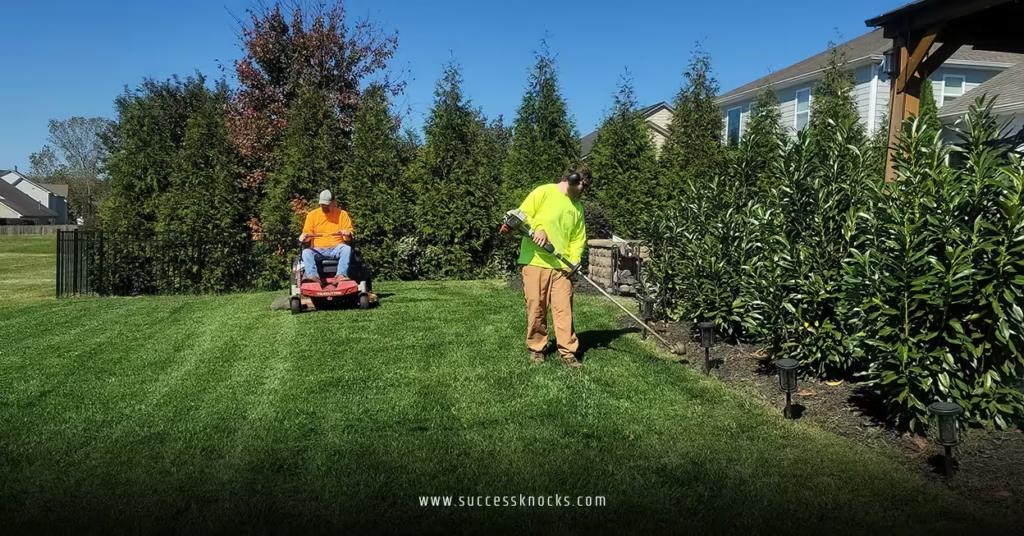
Pricing Strategies That Stick
Charge what the market bears, not what feels “fair.” Track your time per yard. Hourly rates work for some; flat fees per property feel cleaner for clients.
Offer tiers: Basic cut, premium (with edging and cleanup), or seasonal packages. Review prices annually — costs for fuel and parts rise.
Marketing That Brings Real Clients
Google Business Profile optimization is free and powerful. Fill every section, add real photos weekly, and encourage reviews.
Local SEO, door-to-door, and community involvement build trust faster than big ad spends early on. Consistent service turns one-time jobs into recurring revenue.
Common Mistakes (and How to Fix Them)
- Underpricing: You burn out fast. Fix: Calculate true costs including your time and add a buffer.
- No insurance: One bad claim wipes you out. Fix: Shop quotes early and get coverage before first paid job.
- Poor scheduling: Driving kills profits. Fix: Group jobs by neighborhood and use routing apps.
- Ignoring legal basics: Fines or shutdowns hurt. Fix: Check SBA.gov resources for small business setup and your state’s requirements.
- Skipping maintenance: Equipment fails mid-season. Fix: Clean and service tools weekly.
In my experience, the biggest trap is treating every yard the same. Learn each client’s expectations — some want perfection, others just neat.
For official guidance on business structure and taxes, visit the U.S. Small Business Administration’s guide to starting a business. Check IRS resources for small businesses for tax basics. The National Association of Landscape Professionals offers industry-specific tools and best practices.
Key Takeaways
- Validate demand in your area before buying gear.
- Start lean with essential equipment and basic services.
- Prioritize insurance and proper registration — non-negotiable.
- Price for profit, not just to win jobs.
- Market locally and deliver consistent quality for referrals.
- Track finances and routes from day one.
- Plan for seasonality; diversify services when ready.
- Scale only after proving the model with real revenue.
How to Start a Lawn Care Business: Your 30-Day Launch Plan
Week 1: Research market, decide services, register business name and get licenses.
Week 2: Secure insurance, open bank account, buy basic equipment.
Week 3: Set pricing, create simple contracts or service agreements, optimize Google Business Profile.
Week 4: Print flyers or door hangers, knock on doors or post in local groups, land and service your first 5–10 clients.
Adjust based on your schedule. The goal is momentum, not perfection.
Common Mistakes to Avoid (With Fixes)
Already covered above, but remember: rushing growth without systems leads to chaos. Hire help only when you have more work than hours in the day.
Lawn care rewards persistence. Show up on time, leave yards looking sharp, communicate clearly. That’s your edge.
Ready to cut grass and build equity? Pick one actionable step today — check local licensing or list your equipment needs. Small moves compound fast in this business.
Conclusion
How to start a lawn care business boils down to preparation, execution, and relentless focus on customer results. It’s physical work with real upside if you run it professionally. Many operators turn it into a six-figure operation by staying consistent and adapting to local needs.
Your next step: Grab a notebook, map your target neighborhoods, and make that first equipment or licensing call. The grass is literally greener on the side you maintain.
FAQs
1. How much does it cost to start a lawn care business?
Startup costs typically range from $500 to $5,000, depending on equipment like mowers, trimmers, and transportation.
2. Do I need a license for a lawn care business?
Yes, most locations require a basic business license, and you may need additional permits for using chemicals or pesticides.
3. What equipment is essential to get started?
At minimum, you’ll need a lawn mower, string trimmer, leaf blower, and basic safety gear.
4. How do I find my first customers?
Start with local marketing—flyers, referrals, social media, and listing your services on platforms like Facebook Marketplace and Google Maps.
5. Is a lawn care business profitable in 2026?
Yes, with consistent clients and efficient scheduling, many small operators can turn a steady profit within the first year.