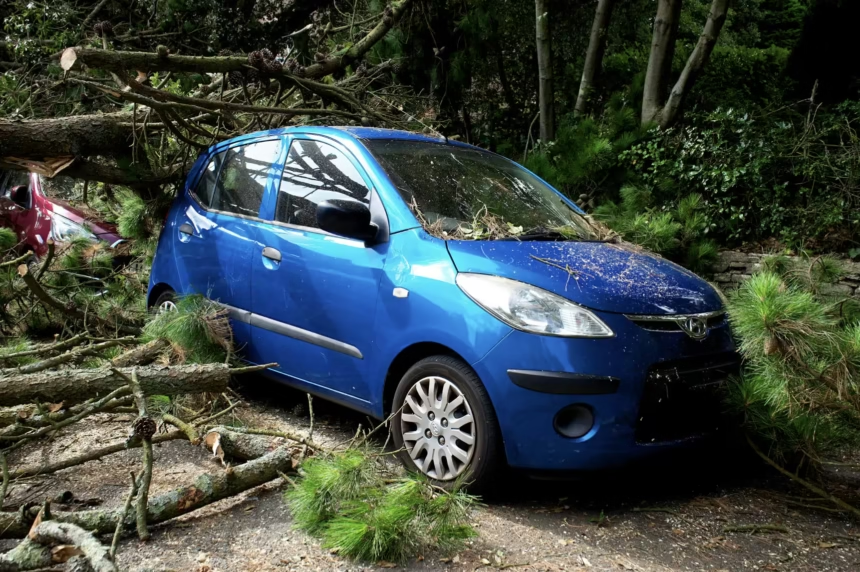
Weather conditions can make driving in Dallas, TX, far more dangerous than many people realize. Heavy rain, fog, strong winds, and sudden storms often create hazardous road situations that increase the chances of serious car accidents. On major roads like I-635, Central Expressway, and Interstate 35, even a small weather change can quickly lead to multi-vehicle crashes, severe injuries, and major traffic disruptions. Many victims later contact a car accident lawyer in Dallas after discovering how difficult insurance claims can become following weather-related collisions.
Many drivers assume that weather alone is responsible for these accidents, but that is not always how insurance companies view these cases. In many situations, drivers are still expected to adjust their speed, maintain safe distances, and operate their vehicles carefully during poor weather conditions. When they fail to do so, they may still be held legally responsible for the crash. This is why weather-related accidents often become more complicated than people expect.
How Weather Conditions Cause Major Car Accidents
Heavy Rain and Hydroplaning
Rain is one of the leading causes of weather-related crashes in Dallas. Wet roads reduce tire traction and increase stopping distance. Vehicles traveling too fast may hydroplane, causing drivers to lose control completely.
Rear-end collisions become especially common because many drivers fail to slow down during storms.
Fog and Reduced Visibility
Fog makes it difficult for drivers to see lane markings, traffic signals, stopped vehicles, and sudden slowdowns. Drivers who continue traveling at high speeds during low visibility conditions increase the risk of chain-reaction accidents.
Strong Storms and Wind Gusts
Severe Texas storms can create dangerous driving situations within seconds. Strong winds may push vehicles into nearby lanes, while flying debris can become road hazards.
Large trucks and SUVs are particularly vulnerable during high winds.
Ice and Slippery Roads
Although Dallas does not experience freezing weather often, icy roads and black ice can lead to devastating crashes when temperatures suddenly drop. Many drivers are unprepared for these conditions, which increases accident risks significantly.
How Weather Conditions Affect Insurance Claims
Insurance companies often try to use bad weather as an excuse to reduce compensation. They may argue that the accident was unavoidable because of rain, fog, or icy roads. However, weather alone does not automatically remove liability.
Drivers still have a legal duty to operate vehicles safely based on road conditions. For example:
- A driver speeding during heavy rain may still be negligent
- Following too closely on wet roads can create liability
- Distracted driving during storms can strengthen a claim against the driver
- Failure to use headlights during low visibility may also impact fault determination
This is why proving negligence remains critical in weather-related accident cases.
How You Can Strengthen Your Insurance Settlement After a Weather-Related Accident
Document the Weather Conditions Immediately
Photos and videos of the accident scene can help show road conditions, flooding, visibility issues, and vehicle damage. This evidence may become important if the insurance company disputes fault later.
Seek Medical Treatment Quickly
Some injuries may not appear immediately after an accident. Delaying medical treatment can give insurance companies an opportunity to argue that injuries were not serious or were unrelated to the crash.
Medical records help connect injuries directly to the accident.
Preserve Important Evidence
Strong evidence can improve settlement negotiations significantly. Important evidence may include:
- Police reports
- Traffic camera footage
- Witness statements
- Weather reports
- Vehicle damage photos
- Medical documentation
In serious crashes, vehicle black box data may also help show speed, braking patterns, and driver actions before impact.
Avoid Speaking Freely With Insurance Adjusters
Insurance adjusters often look for statements they can use to reduce payouts. Accident victims should be careful when discussing fault, personal injuries, or weather conditions without legal guidance.
Even simple comments like “I didn’t see the car” may later be used against the victim.
Work With an Experienced Lawyer
Weather-related crashes often involve complex liability disputes. A lawyer can investigate whether another driver failed to adjust to road conditions safely.
An experienced car accident lawyer in Dallas may also work with accident reconstruction experts, review weather data, and negotiate aggressively with insurance companies to pursue fair compensation for injured victims.
What Compensation May Be Available
Victims injured in serious weather-related car accidents may be able to recover compensation for:
- Medical expenses
- Future medical care
- Lost wages
- Reduced earning ability
- Pain and suffering
- Emotional distress
- Vehicle damage
- Long-term rehabilitation costs
The value of a claim often depends on injury severity, evidence strength, and whether fault can be clearly established.
Conclusion
Weather conditions contribute to many major car accidents in Dallas, TX, but poor weather does not automatically excuse negligent driving. Drivers are still expected to operate vehicles responsibly during rain, fog, storms, and icy conditions. When they fail to do so, serious accidents and life-changing injuries can occur.
For accident victims, protecting evidence, seeking immediate medical treatment, and understanding how insurance companies evaluate weather-related claims can make a major difference in the outcome of a case. Strong legal representation may also help injured individuals pursue the compensation they need to recover financially and physically after a serious crash.