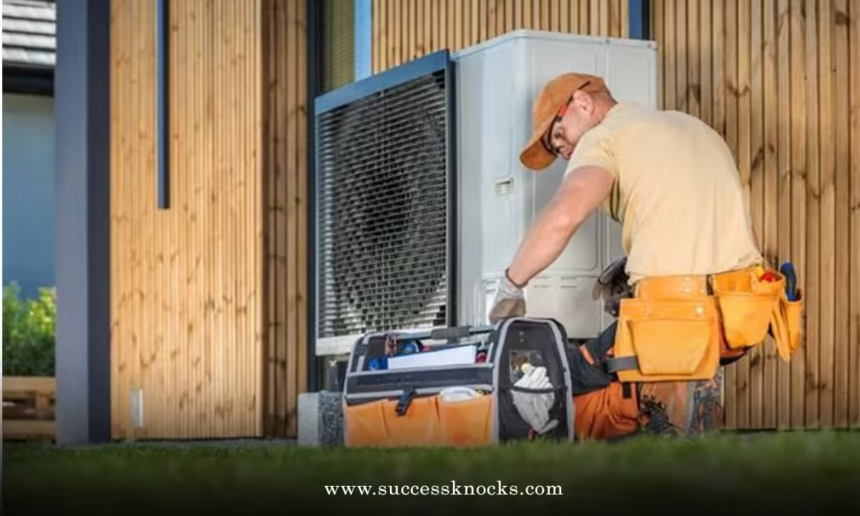
HVAC tune up services are the closest thing your heating and cooling system gets to a full-body physical. Done right, they keep your equipment running efficiently, quietly, and safely… and help you avoid those “no heat, Christmas Eve” emergency calls nobody forgets.
Within 60 seconds, here’s what you need to know:
- Regular HVAC tune up services improve efficiency, which can reduce your heating and cooling energy use by roughly 5–15% according to the U.S. Department of Energy.
- A proper tune-up is hands‑on inspection, cleaning, testing, and adjustment of your AC, furnace, or heat pump—not just a quick filter swap.
- Annual maintenance can extend equipment life, reduce breakdowns, and keep warranties valid for many major brands.
- For most homes in the USA, once per year is the minimum; older systems or harsh climates often benefit from twice‑yearly tune-ups (spring and fall).
- Choosing the right HVAC contractor matters more than the brand of equipment; you’re paying for skill, thoroughness, and accountability.
Let’s break it down like two pros talking at the counter while the coffee’s still hot.
What HVAC Tune Up Services Actually Are (And What They’re Not)
In my experience, “HVAC tune up services” gets thrown around so loosely it might as well mean “guy with a flashlight and an invoice.”
That’s not what you want.
At its core, an HVAC tune up is a structured maintenance visit covering:
- Inspection of key components
- Cleaning of parts that affect performance and safety
- Testing of electrical, airflow, and combustion (for gas units)
- Adjustment and calibration to manufacturer specs
Done right, it should reduce wear, keep efficiency closer to rated levels, and spot small problems before they become major failures.
What it’s not:
- It’s not a full repair (though minor fixes may be included).
- It’s not just “check and run.”
- It’s not a magic fix for a system that’s already at the end of its life.
Think of HVAC tune up services like oil changes and tire rotations for your car. You don’t do them because something’s broken; you do them so things don’t break when it’s 10°F outside or 98°F with humidity you can drink.
Why HVAC Tune Up Services Matter in 2026 (Especially in the USA)
Energy costs aren’t going down. Neither are equipment prices.
Here’s the kicker: according to the U.S. Department of Energy, heating and cooling still accounts for close to half of the average home’s energy use in many U.S. climates. When that much of your bill rides on one system, small efficiency gains are real money.
A solid tune-up can:
- Boost efficiency
Dirty coils, low refrigerant charge, clogged filters, and improper airflow can all drag efficiency down. You pay more each month for the same comfort. - Extend system life
Overheating furnaces, short‑cycling compressors, and shaky electrical connections all shorten equipment life. Maintenance is about catching those early. - Improve safety
- Gas furnaces: combustion analysis, checking for cracks in the heat exchanger, and verifying proper venting matter for carbon monoxide safety.
- Electrical checks: loose or overheating connections can be fire risks.
- Protect warranties
Many manufacturers require regular maintenance to keep warranties valid. If a compressor fails and there’s no record of service, you may be on your own. - Improve comfort and air quality
Proper airflow, clean coils, and correct refrigerant levels help maintain consistent temperatures and humidity. While a tune-up is not the same as a full indoor air quality setup, it’s a strong baseline.
What’s Included in HVAC Tune Up Services? (Typical Checklist)
Every contractor has their own checklist, but for most USA homes, a professional tune-up for central AC, heat pump, or furnace often includes:
Common AC / Heat Pump Tasks
- Check and change air filter (or at least inspect)
- Inspect and clean condenser coil (outdoor unit)
- Inspect and clean evaporator coil (indoor) where accessible
- Measure refrigerant pressures and temperatures
- Check superheat/subcooling against manufacturer specs
- Inspect electrical connections; tighten if needed
- Test capacitors and contactors
- Check blower motor operation and amp draw
- Inspect condensate drain and pan; clear clogs
- Measure supply/return air temperature difference
- Verify thermostat operation and settings
Common Gas Furnace Tasks
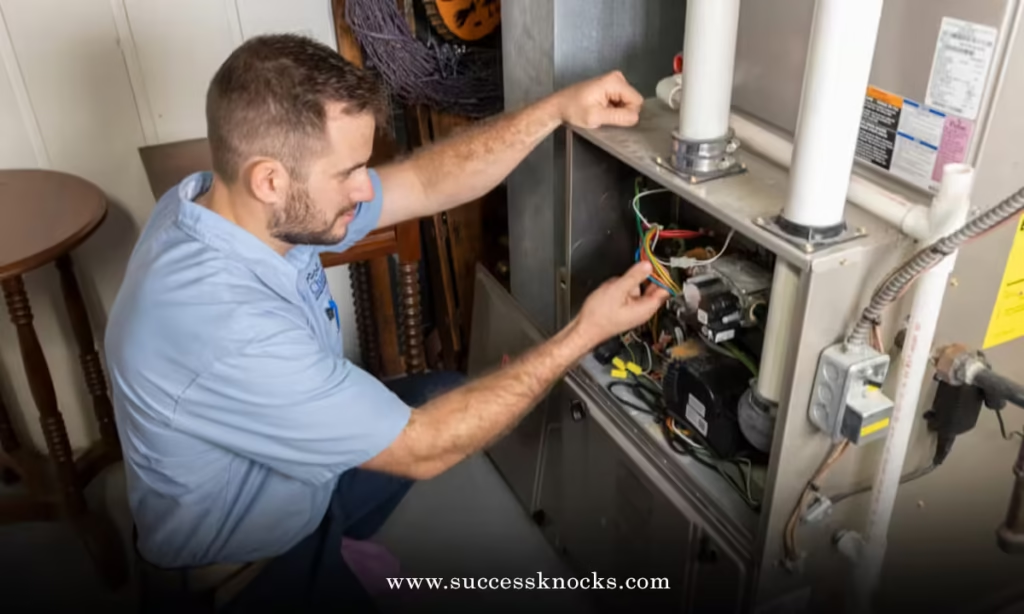
- Inspect and clean burners and flame sensor
- Check ignition system operation
- Inspect heat exchanger (visual; sometimes with camera)
- Test combustion and draft where applicable
- Check gas pressure and connections
- Inspect flue/venting for blockages or corrosion
- Verify safety switches and limit controls
- Measure temperature rise across the furnace
- Check blower assembly and belt (if applicable)
- Confirm thermostat programming and cycle operation
If your technician is in and out in 15 minutes, they didn’t do all this.
Cost & Time Breakdown: What to Expect From HVAC Tune Up Services
Here’s a simple way to see what you’re getting into financially and logistically.
| Aspect | Typical Range (USA) | What Affects It | What I’d Do |
|---|---|---|---|
| Single HVAC tune-up visit | $80 – $200 per system | Region, company reputation, system type, how thorough the service is | Be wary of very low promos (under $60); ask for a written checklist and time estimate. |
| Annual maintenance plan | $150 – $500 per year | Number of visits, number of systems, included discounts or priority service | For most homes: a plan with 2 visits/year and small repair discounts is a sweet spot. |
| Time per tune-up | 45–90 minutes | System condition, accessibility, weather, thoroughness of testing | If they’re done in under 30 minutes, you likely got a “drive‑by” tune-up. |
| Emergency repair (if you skip tune-ups) | $200 – $1,000+ | Part required, after‑hours fees, severity of issue | Use regular tune-ups to avoid the expensive “no cool/no heat” emergency call. |
These ranges are typical ballparks across the U.S.; local markets and specific brands can push numbers higher or lower.
How Often Do You Really Need HVAC Tune Up Services?
Here’s the simple rule set I use with homeowners:
- At minimum:
- 1 tune-up per year for a single system (combo furnace + AC or heat pump) in moderate climates.
- Better practice:
- 2 visits per year:
- Spring: AC or heat pump cooling tune-up
- Fall: Furnace or heat pump heating check
- 2 visits per year:
- Heavy‑use or harsh climates (very hot South or very cold North):
- Twice per year is highly recommended, especially for older systems or homes with kids, seniors, or people with respiratory issues.
Also, if you’ve just installed a brand‑new high‑efficiency system, protecting that investment with regular HVAC tune up services is cheap insurance. A replacement unit can easily run $7,000–$15,000+ depending on type and location.
For general energy-saving guidance, the U.S. Department of Energy’s homeowner resources on heating and cooling efficiency are worth a look; they emphasize maintenance as a key piece of the puzzle.
Step‑by‑Step Action Plan for Beginners
If you’re new to all this, here’s exactly what I’d do if I were in your shoes.
1. Get Your Baseline in Order
- Locate your equipment: indoor unit (furnace/air handler) and outdoor unit (condenser/heat pump).
- Find your filter size and current filter type.
- Look for any past service records or manufacturer documentation.
2. Handle the Simple DIY Tasks Safely
You’re not a tech, and that’s fine. You can still:
- Change or clean your air filter every 1–3 months.
- Keep at least 2 feet of clearance around the outdoor unit; remove leaves, debris, and vegetation.
- Make sure supply vents and returns aren’t blocked by furniture or rugs.
- Set your thermostat to reasonable temps and use programmable or smart schedules.
The U.S. Environmental Protection Agency has straightforward guidance on filters and basic indoor air quality that’s worth reading if you want to go deeper.
3. Schedule Professional HVAC Tune Up Services
- For AC/heat pump: schedule in early spring if possible.
- For heating: schedule in early fall before cold snaps.
When you call:
- Ask, “What exactly is included in your HVAC tune up services? Can you send your checklist?”
- Ask, “How long does a typical tune-up take?”
- Ask about licensing, insurance, and whether techs are NATE‑certified or hold equivalent training.
4. Be Present During the Visit (If You Can)
You don’t need to hover, but be available and ask:
- “What’s the current condition of my system?”
- “Did you see anything that might become a problem in the next year or two?”
- “Any simple things I can do between visits to keep things running better?”
Have them show you the old filter, dirty components they cleaned, and any readings they took (temperature differences, refrigerant pressures, etc.). Good techs are usually happy to explain.
5. Decide on an Annual Maintenance Plan
After the visit:
- Compare the cost of one‑off visits vs. a plan that offers 2 tune-ups plus repair discounts.
- If you have multiple systems or an older unit, maintenance plans often make sense.
Pay attention to:
- Whether reminders are included (text/email)
- Priority service for breakdowns
- Any limitations on discounts or covered tasks
6. Track Your System’s Behavior
Over the next few months, note:
- Does the system cycle on/off normally?
- Any unusual noises or smells?
- Any rooms still uncomfortable?
- Any noticeable change in your energy bills?
Use that info at your next tune-up to help the tech focus their troubleshooting.
Common Mistakes With HVAC Tune Up Services (And How to Fix Them)
Everyone makes these at some point. The goal is to stop repeating them.
Mistake 1: Only Calling When Something Breaks
If your first interaction with a contractor is “my AC is dead and it’s 95°F,” you’ve already lost.
Fix:
Schedule HVAC tune up services before peak season. Put a recurring reminder in your calendar for spring and fall. Treat it as routine, not optional.
Mistake 2: Choosing the Cheapest Promo Deal
Those $29 “super tune-up” postcards? Usually loss leaders.
The tech is under pressure to fly through the tune-up and sell repairs.
Fix:
- Get quotes from 2–3 established local companies.
- Ask specifically how long a tune-up takes and what’s included.
- Focus on reputation, reviews, and referrals—not just price.
Mistake 3: Ignoring Airflow Issues
You can have a top-tier tune-up, but if your home’s ducts are undersized, leaky, or suffocated by closed vents, efficiency and comfort tank.
Fix:
- Keep major supply and return vents fully open and unobstructed.
- Ask your tech to check static pressure and advise on duct issues.
- Consider a separate duct inspection or sealing project if they flag big problems.
Mistake 4: Skipping Filter Changes Between Tune-Ups
Even the best HVAC tune up services can’t overcome a filter that hasn’t been changed in 9 months.
Fix:
- Set reminders every 1–3 months.
- If you have pets, allergies, or live in a dusty area, expect more frequent changes.
- Use the right filter type and rating for your system; super‑restrictive filters can hurt airflow if your system isn’t designed for them.
Mistake 5: Not Asking for Clear Explanations
Too many homeowners nod along without understanding what was actually done.
Fix:
- At the end of every visit, ask for a plain‑English summary and any photos of issues they found.
- Ask which items are “must do now” versus “watch for next year.”
The best contractors treat this like a partnership, not a mystery.
How to Choose the Right Pro for HVAC Tune Up Services
Picking the right person matters more than any shiny brochure.
Here’s what I look for:
- Licensed and insured in your state (non‑negotiable).
- Solid online reviews and local reputation over at least a few years.
- Clear, written tune-up checklist they can send ahead of time.
- Technicians who actually explain what they’re doing and why.
- No pressure tactics pushing unnecessary replacements.
You can cross‑check general HVAC guidance with trusted resources like ENERGY STAR, which offers homeowner tips on finding qualified contractors and improving system performance.
If something feels off (hard sell, vague answers, super‑rushed visit), trust your gut and get a second opinion.
What Intermediate Homeowners Should Focus On
If you already know your way around a thermostat and have replaced a capacitor or two, here’s where to level up:
- Track temperature split (supply vs. return) during different outdoor conditions.
- Pay attention to cycle length for signs of short cycling or long, weak runs.
- Watch your utility bills year over year—tune-ups should help keep those from creeping up without explanation.
- Ask your tech for before/after readings each visit and log them: refrigerant pressures, amperage, static pressure, temp rise/split.
That kind of data makes it easier to decide when to repair vs. replace and whether your HVAC tune up services are actually delivering real results.
Key Takeaways
- HVAC tune up services are structured, hands‑on maintenance visits designed to improve efficiency, safety, and equipment life—not just quick inspections.
- For most homes in the USA, annual tune-ups are the minimum, with spring and fall visits being ideal, especially in extreme climates or for older systems.
- A thorough tune-up should include cleaning, testing, and adjusting critical components, not just swapping filters and eyeballing parts.
- Skipping maintenance often leads to higher energy bills, more breakdowns, and potential warranty trouble when parts fail.
- Choosing reputable, well‑reviewed contractors and asking for a clear checklist and explanations is your best protection.
- Simple homeowner tasks—like filter changes and keeping outdoor units clear—multiply the benefits of professional HVAC tune up services.
- The goal isn’t perfection; it’s fewer surprises, lower bills, and a system that quietly does its job year after year.
FAQs About HVAC Tune Up Services
1. How long do HVAC tune up services usually take?
Most professional HVAC tune up services take about 45–90 minutes per system, depending on system condition and how thorough the contractor is. If the tech is done in 20 minutes with no testing, cleaning, or measurements, you probably didn’t get a full tune-up.
2. Are HVAC tune up services really necessary if my system seems fine?
Yes—HVAC tune up services are preventive, not reactive. A system can “seem fine” while running inefficiently, wearing parts prematurely, or developing safety issues that aren’t visible yet. Regular tune-ups help you avoid surprise breakdowns and keep efficiency closer to what the equipment was designed for.
3. Can I do HVAC tune up services myself to save money?
You can handle basic tasks like changing filters, clearing debris, and monitoring thermostat settings, but full HVAC tune up services involve specialized tools (gauges, meters, combustion analyzers) and training. For refrigerant checks, combustion safety tests, and electrical diagnostics, hiring a qualified pro is the smarter and safer play.