

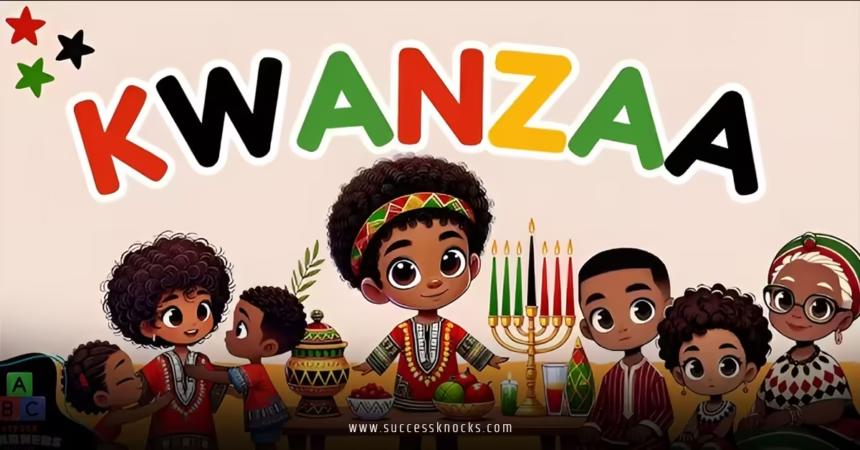
Kwanzaa principles for kids form the heart of this vibrant holiday, offering a meaningful way to instill cultural values and life lessons in young minds. Created by Dr. Maulana Karenga in 1966, these seven principles, known as the Nguzo Saba, provide a framework for personal growth and community building that kids can grasp through simple, everyday activities. In this article, we’ll explore how to make Kwanzaa principles for kids accessible, exciting, and educational, while linking back to related hands-on fun like Kwanzaa crafts for preschoolers to enhance the learning experience.
Why Focus on Kwanzaa Principles for Kids?
Kwanzaa principles for kids aren’t just abstract ideas—they’re practical tools for developing character and understanding African-American heritage. Imagine these principles as building blocks, stacking up to create a strong foundation for a child’s future, much like how stories and games bring history to life.
By introducing Kwanzaa principles for kids early, parents and educators can foster qualities like unity and creativity in a world that often moves too fast. This approach aligns with early childhood development, boosting emotional intelligence and social skills through age-appropriate discussions and activities. Plus, tying in elements like Kwanzaa crafts for preschoolers can make these principles even more tangible, turning learning into a hands-on adventure that kids eagerly anticipate.
The Seven Kwanzaa Principles: A Breakdown for Young Learners
Kwanzaa principles for kids revolve around the Nguzo Saba, celebrated from December 26 to January 1. Each principle offers a chance to explore themes of identity and community, making them perfect for interactive sessions. Below, we’ll dive into each one, suggesting ways to explain and apply them to kids’ lives.
Principle 1: Umoja (Unity)
Umoja, the first of the Kwanzaa principles for kids, emphasizes coming together as a family or community. It’s like the pieces of a puzzle fitting perfectly to create a complete picture—without unity, things fall apart.
For kids, teach Umoja through group activities, such as holding hands in a circle or playing team games. Ask rhetorical questions like, “How does working together make our playtime more fun?” To connect it further, encourage kids to create unity symbols, which ties nicely into exploring Kwanzaa crafts for preschoolers for a creative twist.
Principle 2: Kujichagulia (Self-Determination)
Kujichagulia is all about defining yourself and your goals, a key Kwanzaa principle for kids that builds confidence. Think of it as being the author of your own story—kids get to decide what happens next.
Help children practice this by setting simple daily goals, like drawing their dream job or sharing what makes them unique. This principle encourages independence, and you can enhance it by linking to activities in Kwanzaa crafts for preschoolers, where kids express their ideas through art, fostering a sense of ownership and pride.
Principle 3: Ujima (Collective Work and Responsibility)
Ujima teaches that we’re all in this together, making it one of the most relatable Kwanzaa principles for kids. It’s like a team sport where everyone plays their part to win the game.
Engage kids with chores or group projects, such as cleaning up toys as a family. This not only promotes responsibility but also shows how individual efforts contribute to the bigger picture. For a fun extension, incorporate elements from Kwanzaa crafts for preschoolers, like collaborative art projects that require teamwork to complete.
Principle 4: Ujamaa (Cooperative Economics)
Ujamaa focuses on building and supporting our own communities, a vital Kwanzaa principle for kids in today’s economy. Picture it as a neighborhood store where friends help each other succeed.
Introduce this concept through pretend play, like setting up a kid-run market with homemade items. Discuss how buying from local shops strengthens communities, and relate it back to Kwanzaa crafts for preschoolers by using recycled materials, teaching kids about sustainable practices and economic cooperation.
Principle 5: Nia (Purpose)
Nia is about having a sense of purpose and direction, making it an empowering Kwanzaa principle for kids. It’s like planting a seed and watching it grow into something amazing with care and intention.
Encourage children to think about their passions, such as what they want to be when they grow up, through journaling or vision boards. This principle helps kids find meaning in their actions, and you can amplify it by connecting to Kwanzaa crafts for preschoolers, where creating something turns purpose into a tangible outcome.
Principle 6: Kuumba (Creativity)
Kuumba celebrates creativity and innovation, a standout Kwanzaa principle for kids that sparks imagination. Think of it as turning a blank canvas into a masterpiece—anything is possible with a little ingenuity.
Foster this through art and invention activities, like building with blocks or inventing stories. Naturally, this leads into exploring Kwanzaa crafts for preschoolers, which are perfect for letting kids’ creativity shine while reinforcing the holiday’s cultural elements.
Principle 7: Imani (Faith)
Imani is about believing in yourself and others, the final Kwanzaa principle for kids that instills hope and trust. It’s like rooting for your favorite team, knowing they’ll come through.
Teach this by sharing stories of perseverance and encouraging positive affirmations. For kids, faith can be practiced through gratitude exercises, and linking it to Kwanzaa crafts for preschoolers adds a layer of belief in their own abilities as they complete projects.
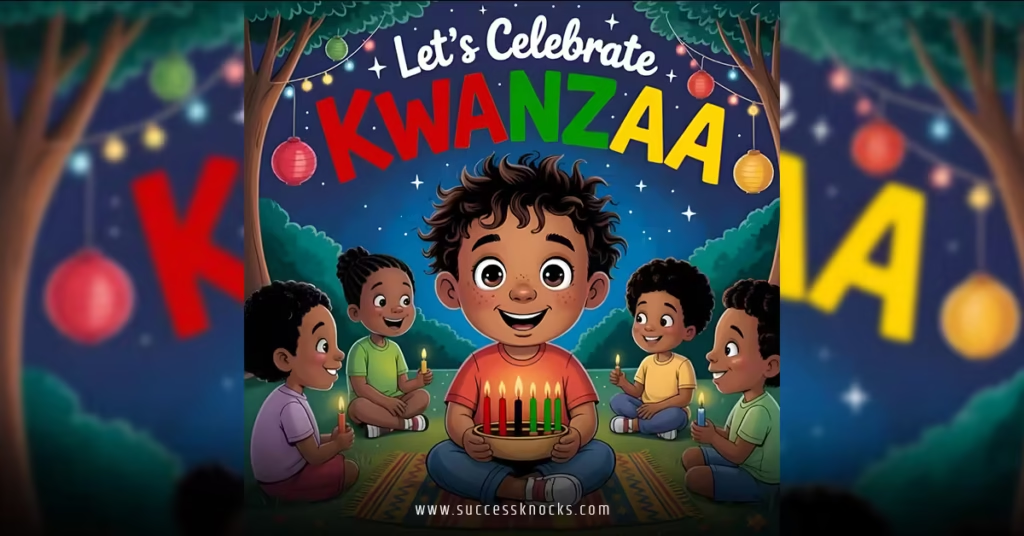
Making Kwanzaa Principles for Kids Interactive and Fun
To truly engage kids with Kwanzaa principles, incorporate games, songs, and stories that bring these ideas to life. For instance, create a daily principle chart where kids can track their progress, turning learning into a game.
Don’t forget to blend in physical activities; a family walk while discussing unity can be as effective as a classroom lesson. And for hands-on learners, referring back to resources like our guide on Kwanzaa crafts for preschoolers [blocked] can provide practical ways to apply these principles, making the experience even more memorable.
Challenges and Tips for Teaching Kwanzaa Principles to Kids
Teaching Kwanzaa principles for kids might come with hurdles, like short attention spans, but these can be overcome with creativity. Break sessions into 10-15 minute segments and use visuals or props to keep things lively.
Adapt for different learning styles—kinesthetic kids might thrive with movement-based activities, while visual learners prefer drawings. Always tie back to real-life examples, and if you’re looking for craft-based reinforcement, check out our article on [Kwanzaa crafts for preschoolers] for seamless integration.
Conclusion
Kwanzaa principles for kids offer a powerful way to nurture values that last a lifetime, blending cultural heritage with everyday growth. By exploring Umoja through unity games and Kuumba via creative projects, you’re equipping children with tools for a brighter future. Remember, incorporating elements like Kwanzaa crafts for preschoolers can make these principles even more engaging, so start today and watch your kids embrace these timeless ideas with enthusiasm.
Frequently Asked Questions
What are the core Kwanzaa principles for kids to learn?
The seven Kwanzaa principles for kids include Umoja (unity), Kujichagulia (self-determination), and others, each teaching essential life skills through fun, interactive methods.
How can I introduce Kwanzaa principles for kids in a classroom?
Start with storytime and activities that align with each principle, and enhance lessons by linking to hands-on options like Kwanzaa crafts for preschoolers for better retention.
Are Kwanzaa principles for kids suitable for all ages?
Yes, Kwanzaa principles for kids can be adapted for various ages, with simpler explanations for toddlers and more depth for older children to ensure inclusivity.
How do Kwanzaa principles for kids promote cultural awareness?
They encourage discussions about African heritage and community values, and combining them with activities from Kwanzaa crafts for preschoolers helps kids connect emotionally and creatively.
What resources can help teach Kwanzaa principles for kids?
Books, online videos, and community events are great, but for practical application, explore guides on Kwanzaa crafts for preschoolers to make learning interactive.


