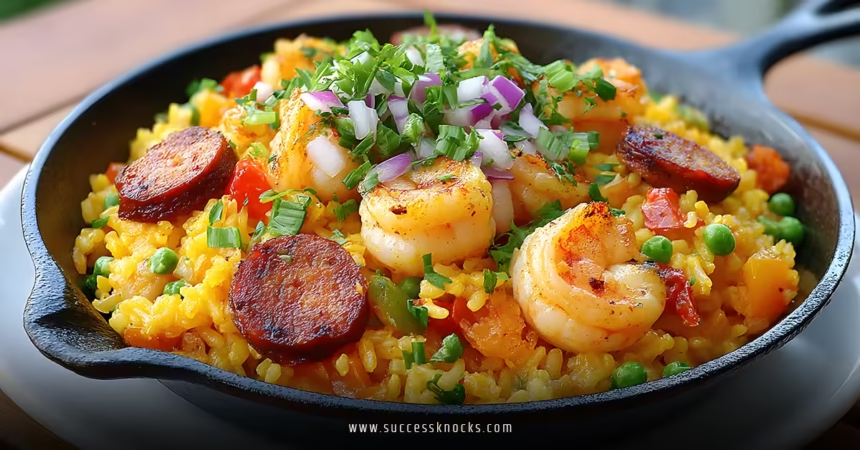
The Lowcountry Culinary Scene is one of America’s most captivating and soulful food stories, blending centuries-old traditions with fresh, innovative twists that keep evolving. Nestled along South Carolina’s coastal plains—especially in and around Charleston—this region’s cuisine draws from the sea, the soil, and a rich tapestry of cultural influences. Think briny oysters straight from the marshes, creamy grits simmered to perfection, and hearty one-pot wonders that tell tales of resilience and community. If you’re planning a trip to taste it all firsthand, events like the Charleston Wine and Food Festival March 2026 serve as the ultimate spotlight, showcasing the heart of the Lowcountry culinary scene through world-class chefs, local ingredients, and unforgettable experiences.
What Defines the Lowcountry Culinary Scene?
At its core, the Lowcountry culinary scene revolves around simplicity elevated by freshness and seasonality. The “Lowcountry” refers to the flat, marshy coastal area stretching from southern North Carolina through Georgia, but Charleston stands as its undisputed epicenter. Here, the land meets the sea in perfect harmony, providing an abundance of seafood, rice fields (thanks to historical Gullah Geechee expertise), and garden-fresh produce.
Key characteristics include:
- Heavy reliance on local, seasonal ingredients — Fresh shrimp, crab, oysters, fish, okra, tomatoes, collard greens, field peas, and heirloom rice like Carolina Gold.
- Influences from multiple cultures — West African roots (think okra, rice dishes, and one-pot cooking), European techniques (French and English), Caribbean flavors, and Native American elements.
- Comforting, flavorful preparations — Slow-cooked stews, boils, fries, and grits-based dishes that prioritize taste over fussiness.
It’s not flashy for flashiness’ sake; it’s honest food born from the land and water, often shared family-style around long tables.
Iconic Dishes That Capture the Lowcountry Culinary Scene
No exploration of the Lowcountry culinary scene is complete without these classics. They’ve stood the test of time and appear on menus from casual shacks to fine-dining spots.
Shrimp and Grits
The undisputed star. Creamy, buttery grits topped with plump, local shrimp in a savory gravy—sometimes with bacon, mushrooms, or andouille. It’s comfort in a bowl, and every chef puts their spin on it.
She-Crab Soup
A rich, creamy bisque made with female blue crabs (for the roe that adds sweetness and color). It’s luxurious yet rooted in tradition, often finished with sherry.
Lowcountry Boil (or Frogmore Stew)
A casual feast of shrimp, sausage, corn, potatoes, and spices boiled together—perfect for backyard gatherings or beachside parties.
Hoppin’ John
Black-eyed peas and rice cooked with pork, onions, and seasonings. Eaten on New Year’s for good luck, it’s a humble dish with deep cultural significance.
Okra Soup or Stew
Okra’s mucilage thickens broths naturally, paired with tomatoes, seafood, or meats for hearty, flavorful results.
Fried Green Tomatoes
Crisp outside, tangy inside—often served with remoulade or as a side.
Red Rice
Tomato-infused rice with sausage or bacon, reminiscent of West African Jollof rice.
These dishes aren’t museum pieces; they’re alive and evolving in Charleston’s kitchens.
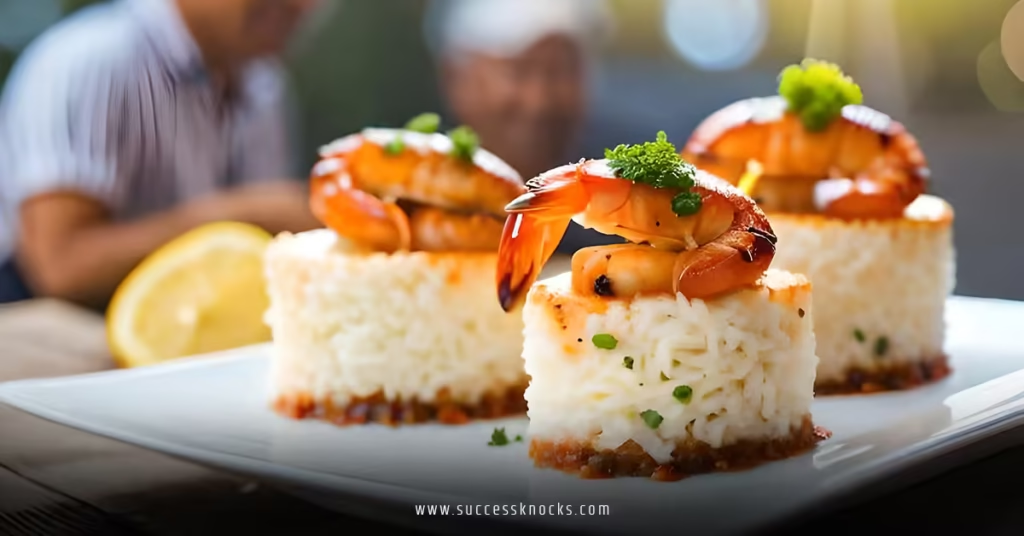
Key Ingredients Powering the Lowcountry Culinary Scene
The magic lies in the pantry staples:
- Seafood — Shrimp, oysters, blue crab, and fish caught daily from local waters.
- Rice — Carolina Gold and other heirlooms, once a major cash crop.
- Grits — Stone-ground for creamy texture.
- Okra, field peas, collards — Vegetables that thrive in the humid climate.
- Pork — Bacon, ham hocks, sausage for depth.
- Corn — In grits, bread, or boiled on the cob.
Sustainability plays a big role today—chefs prioritize local farms, oyster beds, and ethical sourcing to keep the Lowcountry culinary scene thriving for generations.
Top Restaurants Showcasing the Lowcountry Culinary Scene in Charleston
Charleston’s dining landscape is packed with spots that honor tradition while pushing boundaries. Here are some standouts:
- FIG (Food Is Good) — A James Beard favorite for refined yet approachable Lowcountry fare, like chicken liver pâté or seafood-focused plates.
- Husk — Celebrates Southern ingredients with innovative twists—think a tasting menu rooted in regional history.
- 82 Queen — Famous for she-crab soup and courtyard dining that feels timeless.
- Bowen’s Island Restaurant — Casual, no-frills spot for roasted oysters and Lowcountry boil with epic views.
- Magnolias or Poogan’s Porch — Upscale Southern comfort with classics like shrimp and grits.
- Bertha’s Kitchen — Authentic soul food with okra soup and red rice.
- The Ordinary — Seafood hall vibes with raw oysters and creative small plates.
Newer spots like Chubby Fish or Vern’s add modern flair, earning Michelin nods and keeping the scene dynamic.
The Role of Events in Highlighting the Lowcountry Culinary Scene
Few events capture the essence like the Charleston Wine and Food Festival March 2026. Running March 4-8, 2026, this milestone 20th-anniversary celebration dives deep into Lowcountry flavors. Culinary Village buzzes with tastings, oyster shucking, and chef demos; signature events like Shucked spotlight coastal seafood; and seminars explore rice heritage or sustainable sourcing. It’s more than a festival—it’s a love letter to the Lowcountry culinary scene, connecting visitors with local producers, underrepresented chefs, and the stories behind the food. Proceeds support the community’s future through scholarships and initiatives.
Why the Lowcountry Culinary Scene Continues to Captivate
What makes this food culture endure? It’s the blend of heritage and hospitality. Meals here aren’t rushed—they’re shared, savored, and often tied to place and people. Whether you’re slurping she-crab soup in a historic courtyard or cracking oysters at a riverside shack, you’re tasting history, resilience, and joy.
The Lowcountry culinary scene isn’t static. Chefs innovate with global influences while respecting roots, ensuring it stays relevant and exciting.
Conclusion: Dive Into the Lowcountry Culinary Scene Today
The Lowcountry culinary scene offers more than great food—it’s an invitation to connect with a place through flavor. From timeless dishes like shrimp and grits to vibrant events like the Charleston Wine and Food Festival March 2026, Charleston delivers an authentic, delicious experience. Plan your visit, book a table, and let the Lowcountry feed your soul. Your next favorite meal is waiting in the marshes and markets of this remarkable region.
Here are three high-authority external links:
- Explore more on the official Charleston CVB dining guide.
- Learn about Lowcountry traditions at Eater Carolinas guide to Charleston.
- Check festival details at the Charleston Wine + Food site.
FAQs
What is the Lowcountry culinary scene?
The Lowcountry culinary scene refers to the coastal South Carolina (especially Charleston) food culture centered on fresh seafood, rice, okra, grits, and dishes influenced by African, European, and Caribbean traditions.
What are must-try dishes in the Lowcountry culinary scene?
Top picks include shrimp and grits, she-crab soup, Lowcountry boil, Hoppin’ John, and okra soup—classics that highlight local ingredients.
How does the Charleston Wine and Food Festival March 2026 relate to the Lowcountry culinary scene?
The Charleston Wine and Food Festival March 2026 celebrates the Lowcountry culinary scene with events focused on regional chefs, seafood, heirloom ingredients, and community storytelling.
Where can I experience authentic Lowcountry food in Charleston?
Try spots like FIG, Husk, 82 Queen, Bowen’s Island, or Bertha’s Kitchen for everything from upscale to down-home takes on Lowcountry classics.
Is the Lowcountry culinary scene family-friendly?
Yes—many dishes are comforting and shareable, with casual spots like oyster roasts or boils perfect for all ages.