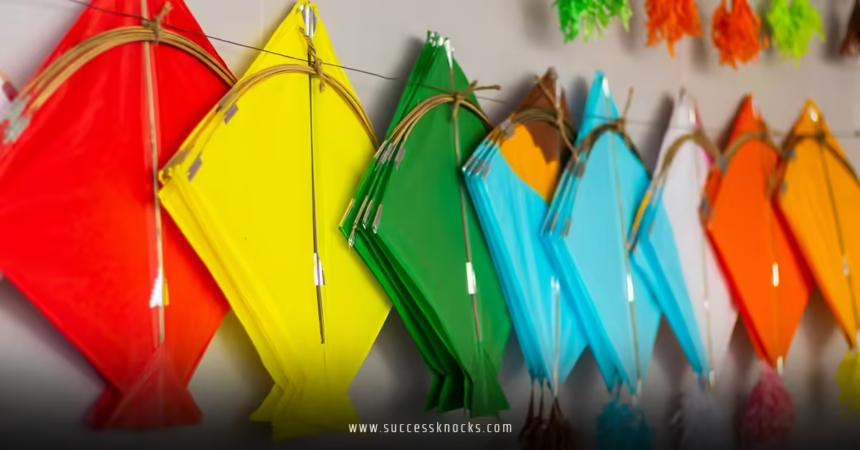
Makar Sankranti celebrations in 2026 promise to fill the skies with vibrant kites and heartfelt rituals, marking a joyous harvest festival that unites families across India. Have you ever imagined a day where the sun’s northward journey inspires communities to exchange sweets, fly kites, and give thanks for the bounty? That’s the essence of Makar Sankranti celebrations, a cornerstone of Indian culture that blends ancient customs with modern twists, drawing millions into a whirlwind of color and community spirit.
In this article, we’ll explore the rich history, regional variations, and practical tips for joining Makar Sankranti celebrations, while highlighting how it fits into the broader tapestry of Indian festivals. For a deeper dive into related events, be sure to check out our guide on India Cultural Festivals January 2026, which covers the full spectrum of January’s cultural highlights.
The Significance of Makar Sankranti Celebrations in Indian Culture
Makar Sankranti celebrations aren’t just about fun and games—they’re a profound expression of gratitude and renewal. Observed on January 14 or 15 each year, this festival marks the sun’s entry into Capricorn (Makar), signaling the end of winter and the start of longer days. Think of it as nature’s reset button, where people pause to appreciate the harvest and look forward to prosperity, much like flipping the calendar on a fresh year.
Historically, Makar Sankranti celebrations trace back to Vedic times, around 1500 BCE, when agrarian societies revered the sun god Surya for sustaining life. Over centuries, it evolved into a pan-Indian event, influenced by regional beliefs and even astronomy. According to cultural experts from the Ministry of Culture, India, this festival underscores the harmony between humans and the cosmos, promoting values like community bonding and environmental respect.
In 2026, Makar Sankranti celebrations could see innovative adaptations, such as eco-friendly kite materials to combat pollution, reflecting India’s growing focus on sustainability. It’s like a kite string that connects the past to the present, ensuring traditions remain relevant in a fast-changing world.
A Dive into the History and Evolution of Makar Sankranti Celebrations
Let’s rewind to the origins: Makar Sankranti celebrations emerged from ancient harvest rituals in the Indus Valley civilization, where communities offered grains and prayers for abundant crops. By the medieval era, it had spread across regions, incorporating local flavors—like the kite-flying mania in Gujarat or the holy dips in the Ganges in Uttar Pradesh.
Fast-forward to today, and Makar Sankranti celebrations have adapted to global influences. In the 20th century, post-independence India saw it as a symbol of national unity, with leaders like Mahatma Gandhi emphasizing its role in rural empowerment. Modern twists, as noted in reports from the Indian Council for Cultural Relations, include online kite competitions and virtual feasts, making Makar Sankranti celebrations accessible to the diaspora.
What makes this evolution so captivating is its resilience—like a river that flows through time, absorbing new tributaries while staying true to its source. In 2026, expect Makar Sankranti celebrations to blend technology with tradition, perhaps through AR apps that let you “fly” kites virtually, enhancing the experience for tech-savvy participants.
Regional Variations in Makar Sankranti Celebrations Across India
India’s diversity shines through in Makar Sankranti celebrations, with each state adding its unique twist. In Gujarat, it’s all about the International Kite Festival, where the skies become a canvas of colors and competitive spirit. Imagine thousands of kites dancing in the wind, each one a metaphor for aspirations soaring high.
Down south in Tamil Nadu and Andhra Pradesh, Makar Sankranti celebrations merge with Pongal, featuring the boiling of fresh rice in milk to symbolize overflowing prosperity. Families create intricate Kolam designs on their doorsteps, inviting good luck. Up north, in Punjab and Haryana, it’s Lohri vibes with bonfires and folk songs, celebrating the winter solstice.
In the east, like in Assam, Makar Sankranti celebrations involve Bihu-like dances and feasts, while in the west, Maharashtra’s sesame and jaggery sweets take center stage. Each variation is like a chapter in a book, weaving together stories of unity in diversity. For those planning ahead, Makar Sankranti celebrations in 2026 will likely include cross-regional events, fostering national exchange.
Experts from UNESCO, which recognizes such festivals for their intangible cultural heritage, suggest that these regional differences make Makar Sankranti celebrations a perfect lens for understanding India’s multifaceted identity.
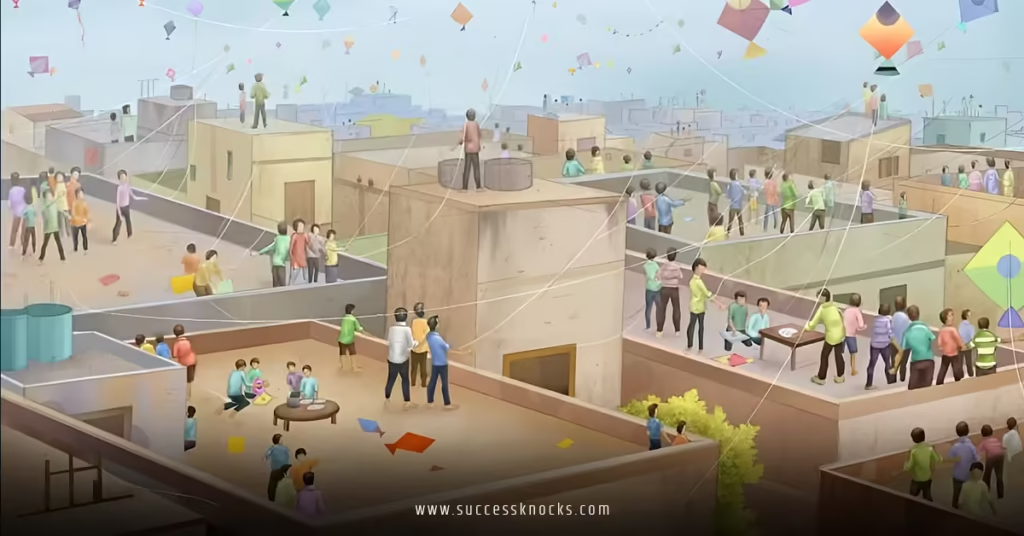
How to Prepare and Participate in Makar Sankranti Celebrations
Ready to join the festivities? Makar Sankranti celebrations are incredibly inclusive, but a little preparation goes a long way. Start by checking the exact date for 2026—it’s based on the solar calendar, so it falls around January 14. Gather your family, stock up on traditional sweets like til laddoo (sesame balls), and perhaps craft your own kites for that personal touch.
If you’re traveling, book early through platforms like MakeMyTrip, which often feature festival packages. In Gujarat, attend the Ahmedabad Kite Festival; in other areas, participate in river baths or community feasts. Think of it as planning a family reunion with a cultural twist—dress in vibrant traditional attire, engage in local games, and soak in the atmosphere.
For first-timers, safety is key: Follow crowd guidelines, especially in populous areas, and opt for eco-friendly practices to minimize waste. In 2026, Makar Sankranti celebrations might offer app-based guides for navigation, making it easier to hop between events.
The Social and Economic Impact of Makar Sankranti Celebrations
Beyond the joy, Makar Sankranti celebrations play a vital role in society. Economically, they boost local economies by supporting artisans, farmers, and vendors—think kite makers in Gujarat seeing a surge in sales. According to the World Travel & Tourism Council, festivals like this contribute billions to India’s GDP, with 2026 potentially seeing even higher numbers due to post-pandemic travel rebounds.
Socially, Makar Sankranti celebrations promote equality and awareness. Women often lead rituals, challenging gender norms, while community events foster intergenerational bonds. It’s like a social glue that holds communities together, encouraging sustainable practices like using organic ingredients in sweets.
Globally, these celebrations enhance India’s cultural diplomacy, attracting tourists and investors. In 2026, initiatives might focus on youth involvement, using Makar Sankranti as a platform for environmental education, such as kite designs that highlight climate action.
Travel Tips and Insider Advice for Makar Sankranti Celebrations
Planning your trip for Makar Sankranti celebrations? January’s weather is cool, so pack layers, especially for northern regions. Book accommodations via Booking.com and use apps like Google Maps for real-time updates on events. For an authentic experience, join guided tours from operators like Thomas Cook, which include cultural workshops.
Insider tip: Sample regional cuisine—try undhiyu in Gujarat or sarson da saag in Punjab—but be mindful of allergies. And don’t forget to capture memories responsibly; many areas now have no-drone zones to respect privacy.
For international visitors, Makar Sankranti celebrations offer a gateway to Indian hospitality, with homestays providing a more immersive experience. In 2026, look for hybrid events that allow virtual participation, ensuring no one misses out.
Conclusion: Soar High with Makar Sankranti Celebrations
As we wrap up this exploration of Makar Sankranti celebrations, it’s clear that this festival is more than just kites and sweets—it’s a vibrant celebration of life’s cycles, community, and hope. Whether you’re flying a kite in Gujarat or sharing a feast in the south, 2026’s events will offer unforgettable moments that connect you to India’s heart. So, why not make it a priority? Mark your calendars, embrace the traditions, and let Makar Sankranti celebrations lift your spirits high.
Five Unique FAQs on Makar Sankranti Celebrations
What makes Makar Sankranti celebrations unique compared to other Indian festivals?
Makar Sankranti celebrations stand out for their solar-based timing and emphasis on harvest gratitude, often featuring kite-flying that symbolizes aspirations, unlike lunar festivals.
How can I incorporate eco-friendly practices into Makar Sankranti celebrations?
Use biodegradable kites and organic sweets to reduce waste, making your participation in Makar Sankranti celebrations more sustainable for future generations.
Are Makar Sankranti celebrations suitable for families with children?
Absolutely—kids can join kite-making activities and learn about cultural heritage, turning Makar Sankranti celebrations into an educational family adventure.
What’s the best way to experience Makar Sankranti celebrations if I’m visiting from abroad?
Opt for guided tours in popular spots like Ahmedabad, and for a broader context, explore related topics like [India Cultural Festivals January 2026] for seamless planning.
How do Makar Sankranti celebrations contribute to local economies?
By boosting tourism and sales for local vendors, Makar Sankranti celebrations create jobs and support artisans, highlighting their economic importance in India’s cultural calendar.