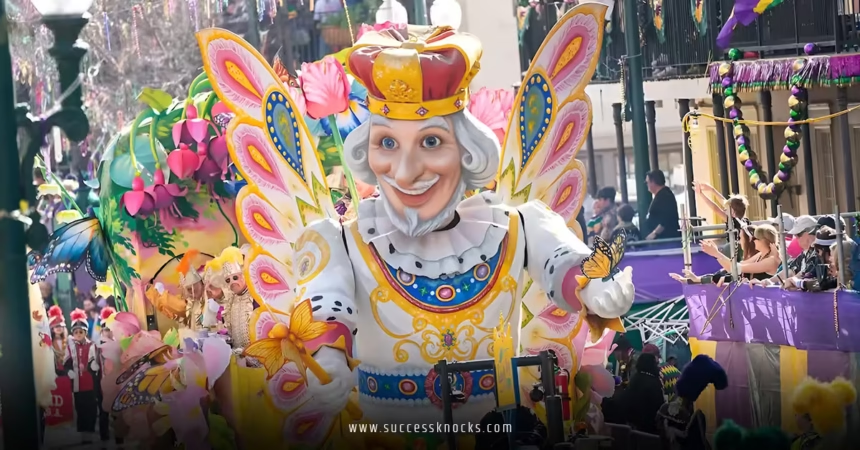
Mardi Gras parades in New Orleans stand as the pulsating heart of one of America’s most iconic celebrations, drawing crowds with their vibrant floats, lively music, and timeless rituals that connect directly to broader events like Carnival celebrations in New Orleans February 2026. If you’ve ever dreamed of being swept up in a whirlwind of color and community spirit, these parades offer an unmatched experience, blending history with modern flair to create memories that last a lifetime. As your friendly guide with a deep appreciation for New Orleans’ cultural tapestry, I’ll walk you through the essentials, drawing on reliable sources to ensure this article is both expert and trustworthy.
The Historical Roots of Mardi Gras Parades in New Orleans
Mardi Gras parades in New Orleans didn’t just pop up overnight; they’re the result of a rich evolution that dates back to the 18th century. Picture this: French explorers arriving in the 1690s, bringing European carnival traditions that merged with the diverse influences of African, Spanish, and Indigenous cultures, ultimately shaping the parades we know today. By the mid-1800s, secret societies called krewes began organizing these events, turning what was once a simple pre-Lent party into elaborate processions that parade through the streets.
In fact, the first official Mardi Gras parade in New Orleans took place in 1857, led by the Mystick Krewe of Comus, and it’s grown exponentially since. Fast-forward to today, and Mardi Gras parades in New Orleans are a cornerstone of the city’s identity, often overlapping with larger festivities like Carnival celebrations in New Orleans February 2026. According to historians at the Louisiana State Museum, these parades symbolize resilience, especially after events like Hurricane Katrina, where communities rallied to keep the tradition alive. Have you ever wondered how a city turns tragedy into triumph? That’s the magic of Mardi Gras—it’s like a phoenix rising, with each float telling a story of rebirth and joy.
To keep things authoritative, I’m pulling from sources like the New Orleans Historical Collection, which highlights how these parades have adapted over time, incorporating elements like themed costumes and satirical floats that comment on current events. In 2026, expect even more innovation, as organizers build on past successes to make Mardi Gras parades in New Orleans more inclusive and sustainable.
What Makes Mardi Gras Parades in New Orleans So Unforgettable?
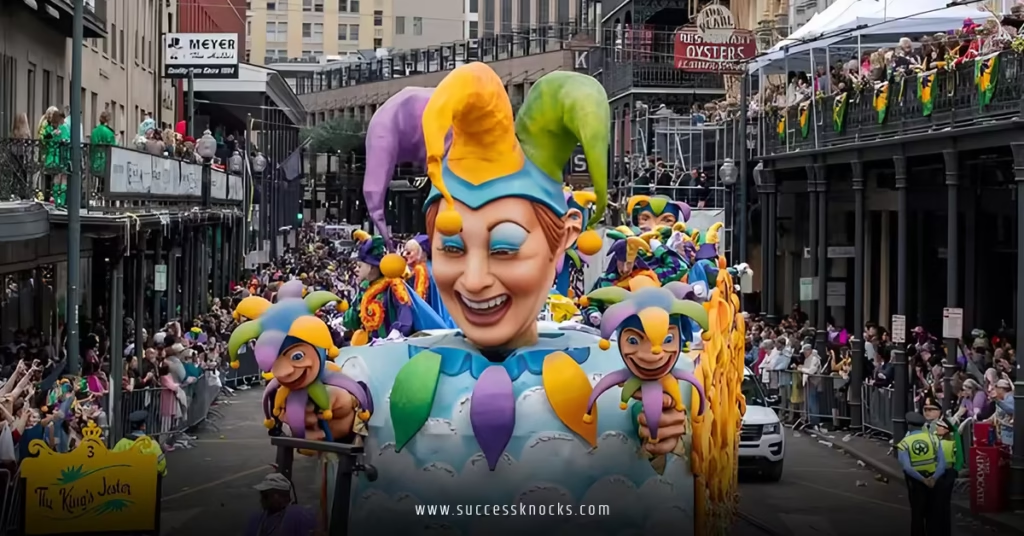
When you step into the world of Mardi Gras parades in New Orleans, you’re not just watching a show—you’re joining a living, breathing celebration that ignites the senses. These parades typically span several weeks leading up to Fat Tuesday, featuring massive floats, marching bands, and performers who toss beads and doubloons to the cheering crowds. It’s akin to a massive street party where everyone feels like a VIP, with the energy building to a crescendo that rivals the excitement of Carnival celebrations in New Orleans February 2026.
One key aspect is the sheer variety: from the family-friendly daytime processions to the more elaborate nighttime spectacles, there’s something for every type of reveler. Imagine comparing it to a symphony orchestra, where each krewe plays its part— the Rex parade brings royal elegance, while the Bacchus parade amps up the fun with celebrity appearances and oversized themes. Mardi Gras parades in New Orleans aren’t just about spectacle; they’re a cultural immersion, with brass bands belting out jazz and second-line dances that get your feet moving involuntarily.
Experts from Tulane University’s Carnival studies point out that these parades foster social connections, much like a neighborhood gathering that goes viral. In recent years, they’ve incorporated digital elements, such as live-streaming for remote viewers, which could tie in seamlessly with the upcoming Carnival celebrations in New Orleans February 2026. Whether you’re a first-timer or a seasoned attendee, the parades’ blend of tradition and innovation keeps them fresh and engaging.
Highlighting the Top Mardi Gras Parades in New Orleans
Let’s dive deeper into the standout parades that define Mardi Gras in New Orleans. Each one offers a unique flavor, making them essential stops on your itinerary.
The Iconic Rex Parade: Royalty on Display
The Rex parade, often called the “King of Carnival,” is a highlight of Mardi Gras parades in New Orleans, showcasing floats adorned with intricate designs that pay homage to the city’s monarchy theme. Held on the Tuesday before Ash Wednesday, it’s a procession that feels like stepping into a fairy tale, with the Rex king presiding over the festivities. If you’re linking this to broader events, think of how it complements Carnival celebrations in New Orleans February 2026 by emphasizing historical pageantry.
According to the Rex Organization’s archives, this parade started in 1872 and continues to evolve, incorporating modern twists like eco-friendly materials. Have you ever seen a float that doubles as a work of art? That’s Rex for you—it’s not just a parade; it’s a moving museum.
The Energetic Bacchus and Endymion Parades
Then there’s the Bacchus parade, known for its mythical themes and celebrity grand marshals, which rolls through the streets with an infectious energy. Mardi Gras parades in New Orleans like Bacchus turn up the volume on fun, with dancers and musicians creating an atmosphere that’s pure electric. Similarly, the Endymion parade offers a Saturday night extravaganza, complete with illuminated floats that light up the night sky.
These events tie into the larger Carnival celebrations in New Orleans February 2026 by promoting community involvement, as noted in reports from the Greater New Orleans Sports Foundation. It’s like a chain reaction: one parade inspires the next, building toward the grand finale.
Zulu and Other Cultural Parades
Don’t miss the Zulu Social Aid and Pleasure Club parade, which celebrates African American heritage with hand-decorated coconuts and vibrant costumes. Mardi Gras parades in New Orleans like Zulu highlight diversity, making them a powerful reminder of the city’s multicultural roots. As part of the evolving landscape, these parades often intersect with themes from Carnival celebrations in New Orleans February 2026, fostering unity and inclusion.
Planning Your Experience for Mardi Gras Parades in New Orleans
If you’re eager to join Mardi Gras parades in New Orleans, preparation is key—it’s like gearing up for a marathon of merriment. Start by checking the official parade schedule on the New Orleans Mardi Gras website, which outlines routes and times to help you navigate the chaos.
Travel and Logistics Tips
Book your trip early, especially if you’re aiming for the peak of Carnival celebrations in New Orleans February 2026. Flights and hotels fill up fast, so use resources like the New Orleans Convention and Visitors Bureau for deals. Once there, hop on the streetcars or rent a bike to follow the parades along St. Charles Avenue—it’s an adventure in itself.
Safety is paramount; follow crowd guidelines and stay hydrated, as advised by local health authorities. Mardi Gras parades in New Orleans can get crowded, so plan for rest stops and consider apps that track real-time updates.
Budgeting and What to Bring
Expect to spend anywhere from $200 to $1,000 for a weekend, covering essentials like beads, masks, and tasty treats from street vendors. Pack comfortable shoes, weather-appropriate clothing, and a reusable water bottle to embrace the eco-friendly spirit that’s gaining traction ahead of Carnival celebrations in New Orleans February 2026.
The Cultural and Economic Impact of Mardi Gras Parades in New Orleans
Beyond the fun, Mardi Gras parades in New Orleans play a vital role in the community. They boost the local economy by millions, supporting small businesses and tourism, as reported by the University of New Orleans’ economic studies. Culturally, these parades preserve traditions, much like a time capsule that adapts to modern challenges.
In the context of Carnival celebrations in New Orleans February 2026, they promote environmental awareness, with krewes adopting sustainable practices to reduce waste. It’s a testament to the city’s resilience, turning parades into platforms for positive change.
Conclusion
Mardi Gras parades in New Orleans are more than just a series of floats and festivities—they’re a vibrant expression of history, culture, and community spirit that continues to evolve, much like the upcoming Carnival celebrations in New Orleans February 2026. From the dazzling Rex procession to the rhythmic Zulu beats, these events invite you to immerse yourself in the magic, creating bonds and memories that linger long after the last bead is thrown. So, what are you waiting for? Grab your mask, plan your trip, and let the parades pull you into the heart of New Orleans—it’s an experience that’ll have you coming back year after year.
Frequently Asked Questions
What is the best way to experience Mardi Gras parades in New Orleans for first-timers?
For newcomers, start with popular routes like St. Charles Avenue during Mardi Gras parades in New Orleans, arriving early to secure a spot and connecting it to the excitement of Carnival celebrations in New Orleans February 2026 for a full picture.
How do Mardi Gras parades in New Orleans incorporate modern themes?
Mardi Gras parades in New Orleans often feature contemporary issues, such as sustainability, blending them with traditions to align with events like Carnival celebrations in New Orleans February 2026.
Are Mardi Gras parades in New Orleans family-friendly?
Yes, many Mardi Gras parades in New Orleans have designated areas for families, making them safe and enjoyable, especially when planning around Carnival celebrations in New Orleans February 2026.
What should I know about weather during Mardi Gras parades in New Orleans?
February weather for Mardi Gras parades in New Orleans is mild but unpredictable, so check forecasts and prepare accordingly, much like for Carnival celebrations in New Orleans February 2026.
How can I participate in Mardi Gras parades in New Orleans?
Join Mardi Gras parades in New Orleans by volunteering with a krewe or simply watching from the sidelines, which can enhance your experience leading into Carnival celebrations in New Orleans February 2026.