

Nike turnaround strategy Elliott Hill has become one of the most watched stories in the sportswear world right now. With the iconic brand navigating choppy waters—think declining sales in key markets and fierce competition—CEO Elliott Hill is steering the ship with a bold, no-nonsense plan that’s all about getting back to basics while pushing forward aggressively.
If you’re wondering whether Nike can reclaim its throne, you’re not alone. Picture this: a legendary athlete who’s lost a step or two, but brings in a veteran coach who knows every play in the book. That’s Elliott Hill—a 32-year Nike insider who came out of retirement in October 2024 to lead the charge. His Nike turnaround strategy Elliott Hill style? It’s called “Win Now,” and it’s designed to deliver quick wins while building for long-term dominance. Let’s break it down, shall we?
Who Is Elliott Hill and Why His Nike Turnaround Strategy Matters
Elliott Hill isn’t some outsider parachuting in with fancy consulting slides. This guy’s pure Nike DNA—he started as an intern and climbed the ranks over three decades before retiring in 2020. When sales started sliding under the previous regime’s heavy focus on direct-to-consumer, the board called him back. Why? Because he gets the soul of the brand: sport, innovation, and that unbeatable Swoosh magic.
Hill took over at a tough time. Nike was grappling with bloated inventory, lost wholesale partnerships, and slipping market share to upstarts like On and Hoka. His arrival sparked immediate optimism—shares jumped on the news. Fast forward to late 2025, and the Nike turnaround strategy Elliott Hill is in full swing, showing early progress but with plenty of hurdles ahead.
Rhetorical question: Can a company veteran really fix what went wrong? Hill’s betting yes, by refocusing on what made Nike great in the first place.
The Core of the Nike Turnaround Strategy Elliott Hill: “Win Now” Explained
At its heart, the Nike turnaround strategy Elliott Hill revolves around the “Win Now” playbook. This isn’t some vague corporate buzz—it’s a five-pillar approach targeting culture, product, marketing, marketplace, and in-person experiences. Hill describes fiscal 2026 as a “transition year,” the messy middle where tough decisions pay off later.
Think of it like renovating your dream home: noisy demolition first, then the beautiful reveal. Hill’s flattening the organization, realigning thousands of employees around core sports, and embedding tech deeper into operations. Recent leadership shakes—like appointing a new COO to oversee technology—aim to make Nike faster and more agile.
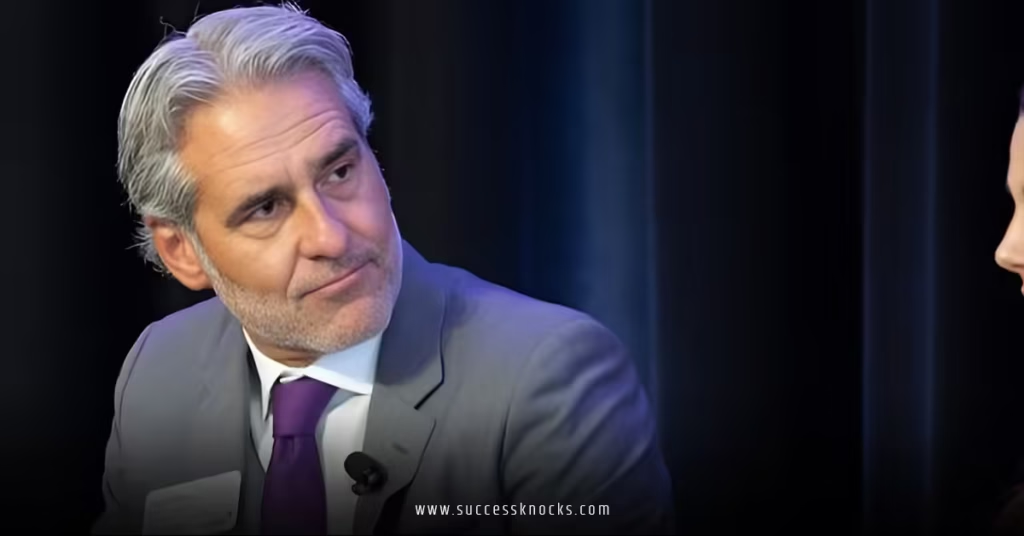
Key Pillars of Nike Turnaround Strategy Elliott Hill
Let’s unpack those pillars because they’re where the real action happens.
Reigniting Innovation and Sport-Led Products
One big critique pre-Hill? Nike had drifted from its performance roots, over-relying on lifestyle classics like Air Force 1s while innovation lagged. Now, the Nike turnaround strategy Elliott Hill puts athletes front and center.
Teams are reorganized by sport—running, basketball, football, training, and sportswear. Running is leading the charge with fresh drops, and basketball gets boosts from stars like Caitlin Clark’s upcoming signature shoe. Hill’s pushing for “relentless flow of innovative and coveted products,” rightsizing franchises to avoid excess inventory.
Analogy time: It’s like a chef ditching frozen meals for farm-fresh ingredients. Result? Healthier full-price sales and excited consumers.
Rebuilding Wholesale Partnerships and Omnichannel Balance
Remember when Nike went all-in on its own stores and app, cutting ties with retailers? That “Consumer Direct Acceleration” backfired, limiting reach. Hill’s flipping the script hard.
Wholesale is booming—up significantly in recent quarters—as Nike mends fences with partners like Dick’s Sporting Goods. This omnichannel pivot ensures products are where shoppers actually are. It’s a smart move, clearing old stock without endless discounts.
Amping Up Marketing and Brand Distinction
Nike’s pouring over $5 billion into marketing in 2026, shifting from promo-heavy tactics to big-brand storytelling. Expect massive pushes around events like the Olympics and World Cup.
Hill wants Nike to stand out through sport-led narratives, not just price cuts. Partnerships with leagues (NBA, WNBA, NFL) and athletes are deepening, rebuilding that emotional connection.
Addressing Challenges: China, Tariffs, and Digital
No strategy’s perfect, and Hill’s candid about pain points. Greater China remains a drag, with sales dropping sharply in Q2 fiscal 2026 amid local competition and economic softness. Hill’s resetting the marketplace there, emphasizing brand distinction and innovation—but progress is slower than hoped.
Tariffs? They’re biting hard, costing $1.5 billion annually and squeezing margins. Nike’s mitigating with sourcing shifts (less from China, more Vietnam) and selective price hikes—footwear up 17%, apparel 14% in some trackers.
Digital sales are declining as Hill pulls back on heavy promotions to protect brand health. It’s short-term pain for long-term gain.
For more on recent performance impacting investor views, check out this detailed analysis of nike stock after q2 2026 earnings china sales drop.
Leadership Changes Fueling the Nike Turnaround Strategy Elliott Hill
Hill’s not doing this alone—he’s reshaped the C-suite for speed. Geographic leaders report directly to him, layers are removed, and tech’s integrated via a new COO role. Veterans are elevated, bringing that insider fire.
This decentralization lets sport teams move quicker, fostering the innovation culture Hill craves.
Early Results and What’s Next in Nike Turnaround Strategy Elliott Hill
Over a year in, signs are encouraging. North America sales surged 9% in Q2 2026, wholesale jumped 8%, and overall revenue beat expectations at $12.43 billion. Inventory’s cleaning up, and hits like Air Jordan launches crushed Black Friday.
But Hill calls it the “middle innings”—not a home run yet. Q3 guidance points to low single-digit declines, with margins pressured. China stabilization and digital rebound are key watches.
Opportunities abound: Major 2026 sporting events for product spotlights, potential tariff relief, and Nike’s unmatched brand moat ($5B marketing no rival matches).
Risks? Prolonged China weakness, competitor gains, or execution slips.
Is the Nike Turnaround Strategy Elliott Hill Working?
It’s progressing, but patience is required. Hill’s approach—sport-first, balanced channels, bold innovation—feels authentic to Nike’s roots. Early North America and wholesale wins prove the playbook’s viable.
For investors or fans, it’s about trusting the process. Nike’s weathered storms before; with Hill at the helm, the Swoosh could soar again.
Potential Impact on Stock and Long-Term Growth
While short-term volatility persists (hello, post-earnings dips from China concerns), bulls see value in the dip. Forward valuations look attractive if growth reaccelerates.
Hill’s multi-year reset positions Nike for sustainable profitability by 2027-ish. Exciting, right?
Conclusion
The Nike turnaround strategy Elliott Hill is a masterclass in returning to fundamentals while adapting to today’s realities. From sport-centric reorganization and wholesale revival to tackling tariffs and China head-on, Hill’s “Win Now” plan balances immediate actions with visionary growth.
We’re in the thick of it—the messy transition—but progress in priority areas like North America and innovation pipelines offers real hope. Nike’s brand power is timeless; under Elliott Hill’s steady hand, it could deliver thrilling comebacks ahead. Whether you’re a shareholder, athlete, or just a sneakerhead, root for the Swoosh—great things might be just around the corner. What’s your take on Hill’s strategy? Ready to bet on the rebound?
FAQs
What is the main focus of Nike turnaround strategy Elliott Hill?
The “Win Now” plan emphasizes five areas: culture, product innovation, marketing, marketplace balance (especially wholesale), and in-person experiences, all centered on sport and performance.
How is Elliott Hill addressing China in the Nike turnaround strategy?
Hill is resetting the marketplace with greater brand distinction, sport-led innovation, and premium channels, though declines persist amid competition and economic challenges.
What early wins has the Nike turnaround strategy Elliott Hill shown?
Strong North America growth (9% in Q2 2026), wholesale surges (8%), inventory cleanup, and running category momentum highlight initial progress.
Why did Nike shift wholesale focus in Elliott Hill’s turnaround strategy?
Previous direct-only push limited reach; Hill’s omnichannel revival rebuilds retailer partnerships for broader availability and healthier sales.
How do tariffs impact Nike turnaround strategy Elliott Hill?
They’re a $1.5B headwind squeezing margins, but Nike mitigates via sourcing diversification, price adjustments, and cost controls.


