
Playing games online can often be seen through a narrow lens, and its potential downsides get criticized by many. But beneath the surface lies something more surprising, which is unexpected benefits that go far beyond just entertainment. From strategy enthusiasts and creative thinkers to team players looking for team projects, online gaming has many unexpected advantages like cognitive and mental health improvements, and even helping develop real world competencies. In this blog, we will look at a selection of such games that have amazing advantages associated with them.
Puzzle and Strategy Games: Sharpen Your Mind
Games such as Sudoku.com, Chess.com, word search games, and popular apps such as Sudoku Quest offer cognitive benefits beyond just entertainment. By forcing players to solve complex problems, apply logic strategically, and predict outcomes, these games significantly enhance critical thinking and problem-solving abilities. Mental agility training programs provide the potential for enhanced decision-making and concentration, making these games excellent tools for entertainment and mental growth. Studies of cognitive neuroscience have demonstrated the benefits of engaging in tasks requiring strategic thinking on an ongoing basis to enhance memory recall and attention span. Games like Civilization VI and Age of Empires put players in charge of entire civilizations, teaching resource management and forward planning skills as well as cultivating patience and perseverance when facing demanding situations during gameplay.
Role-Playing Games (RPGs): Building Empathy and Social Connections
Role-playing games such as World of Warcraft, Final Fantasy XIV and The Elder Scrolls Online immerse players into massive, collaborative environments that build empathy. Players assume roles which require teamwork, negotiation and understanding others’ perspectives to reach shared goals. Online multiplayer features enable interaction among individuals from various cultures and backgrounds, broadening players’ horizons and developing cultural awareness. Studies suggest that RPGs mirror real-life social interactions by helping strengthen relational skills through bond-forming experiences similar to real life social interactions.
First-Person Shooters (FPS): Strengthening Reflexes and Focus
Fast-paced first-person shooter games like Call of Duty, Counter-Strike, and Overwatch put players’ reflexes, hand-eye coordination, concentration skills and decision-making under pressure and to the test. Players must react very quickly to in-game events while increasing situational awareness to make quick decisions. These are all skills that translate well to real life decision making situations that require quick thinking under pressure. Also, competitive FPS games help build resilience as losing hard fought matches can be devastating. Experienced players develop mental endurance and the determination needed to adapt strategies in order to succeed despite setbacks, improving both visual-spatial processing capacities as well as motor control abilities within the brain structures responsible.
Simulation and Creative Games: Unlocking Imagination
Simulation and creative games, such as The Sims, Minecraft and Animal Crossing are great ways for people to use their imagination. From building worlds from scratch to creating detailed life simulations, such games help players exercise their creative mind freely. They are often praised for reducing stress while providing players with a platform to explore artistic passions or uncover hidden talents. Such games provide an enjoyable way to unleash one’s potential without fear of real-world repercussions. Some educators have even begun using games such as Minecraft as teaching tools when teaching problem-solving and teamwork techniques.
Fitness and Skill-Based Games: Combining Fun with Physical Activity
Gaming doesn’t need to be just another sedentary pastime. Motion-based games such as Ring Fit Adventure, Just Dance, and Wii Sports combine fun with fitness by motivating players to remain active while having fun. Games like these provide cardiovascular exercise, coordination improvement, and social interactions benefits when played in groups. Skill-focused VR systems take this further by providing interactive learning opportunities that build motor precision while teaching them practical skills useful in fields like surgery or design.
Educational Games: Learning Made Fun
Playing educational games like Duolingo, Kahoot!, and Prodigy Math provide academic value in an entertaining format. These platforms combine entertainment with instruction to help learners grasp new concepts easily with lasting effect. Whether tackling math challenges or mastering foreign languages these interactive platforms offer fun, interactive ways to acquire knowledge without becoming overwhelming for the users. For students this can result in improved classroom performance while for adults it opens up pathways of lifelong education.
Massively Multiplayer Online Games (MMOs): Teambuilding and Leadership Development
MMOs such as EVE Online, Guild Wars 2 and Black Desert Online offer millions of players competitive and cooperative experiences. These games typically feature player-driven economies, guild collaborations, and large-scale PVP (player-versus-player) battles that put leadership and team management skills front-and-center. Competent players develop negotiation tactics, strategic thinking skills and the ability to manage group dynamics, which are qualities often seen among professional leaders. Also, coordinating efforts across large groups teaches clear communication, time management and delegation skills as needed to facilitate success.
Competitive Esports Titles: Discipline and Professional Skill Development
Esports games like League of Legends, Valorant and Fortnite have opened up an era of professional gaming for those with an intense competitive spirit. These titles require extreme discipline, strategy and technical skill, just like professional athletes. Also, playing at higher competitive levels often involves following similar routines to professional athletes like training to perfect your craft. Meaning that they need to practice for hours on end before competing at higher competitive levels. These games often open lucrative career prospects like coaching roles or broadcasting roles, as these tournaments and events are streamed live online to millions around the world.
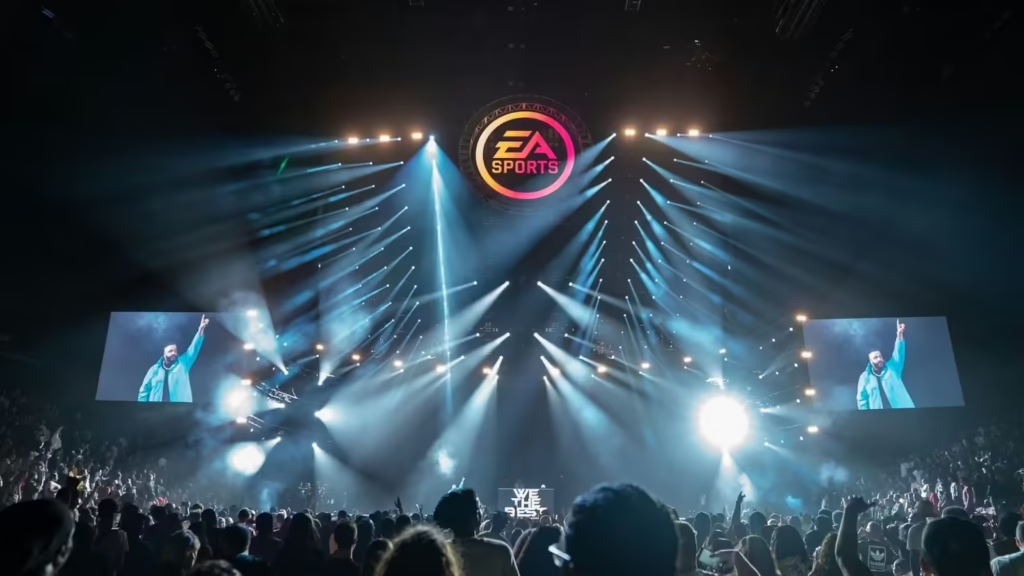
Photo by Josh Berendes on Unsplash
Conclusion
Gaming has changed from just being an enjoyable pastime into becoming an influential force that enriches our lives in surprising ways. Far from just being time-wasting activities, these games promote critical thinking skills, encourage creativity and teamwork while supporting physical and mental well-being. Choosing and playing the right games (in moderation of course) can bring a lot of amazing advantages. It can also open doors to new skills that can enhance your personal and professional lives. As technology develops, online gaming will only expand further and offer a lot of opportunities for learning, social engagement, and self-improvement. So embrace its fun, but just remember to play responsibly.