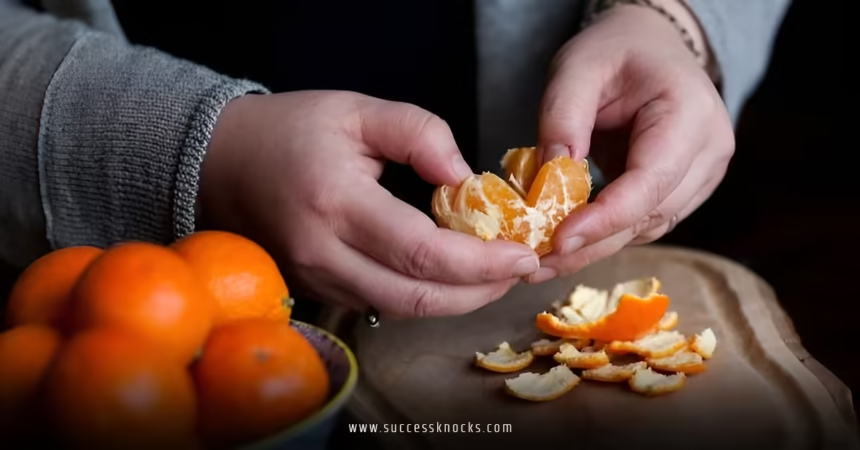
orange peel theory is a viral social media trend that tests the depth of care in relationships by observing small acts of service, like peeling an orange for a partner. This simple gesture can reveal underlying patterns of affection, communication, and emotional investment, making it a powerful tool for self-reflection and relationship health.
Overview Summary
The orange peel theory highlights how everyday actions reflect true feelings in relationships, often going viral on platforms like TikTok. Here are key takeaways for quick understanding:
- Core Idea: It’s not about the orange—it’s about willingness to perform small favors that show love and support.
- Why It Matters: This theory can help identify balanced dynamics or red flags early, fostering healthier connections.
- Real-World Application: Use it as a prompt for discussions to build empathy and strengthen bonds.
- Potential Drawbacks: Overanalyzing minor acts might lead to unnecessary conflict if not handled with care.
- Next Steps: Try it in your own life and reflect on the results to improve communication.
What is the Orange Peel Theory?
The orange peel theory originated from online discussions around 2023, where users shared stories of partners refusing or eagerly performing simple tasks like peeling an orange. At its heart, this theory posits that these micro-interactions are indicators of overall relationship quality, drawing from psychological concepts like attachment styles and reciprocity in partnerships.
To clarify, the orange peel theory isn’t a formal psychological framework but a relatable metaphor for everyday affection. Think of it like a litmus test for love languages—coined by Dr. Gary Chapman in his 1992 book The 5 Love Languages—where acts of service reveal deeper emotional currents. According to relationship experts, such as those from the American Psychological Association, small gestures can accumulate to build or erode trust over time.
In practice, the theory gained traction through viral videos, emphasizing how a partner’s response to a request can signal their investment. For instance, if someone consistently declines these favors, it might point to emotional unavailability, a common theme in relationship counseling.
Why the Orange Peel Theory Matters in Relationships
Understanding the orange peel theory goes beyond a fun trend; it provides actionable insights into emotional labor and mutual support, which are crucial for long-term satisfaction. In relationships, unequal distribution of these small tasks can lead to resentment, as highlighted in studies from the Gottman Institute, a leading authority on couple dynamics.
Why does this matter? Because it encourages open communication about needs and expectations, preventing minor issues from escalating. For example, in heterosexual couples, women often report bearing more emotional labor, per a 2021 Pew Research Center survey, making tools like this theory essential for balance. By addressing these dynamics early, couples can foster a more equitable partnership, reducing stress and enhancing intimacy.
This theory also ties into broader well-being, as acts of service align with positive psychology principles from sources like Harvard’s Grant Study, which found that reciprocal kindness correlates with happiness. However, it’s important to note that cultural contexts influence perceptions— in collectivist societies, such as those in East Asia, communal acts might be more normative, while individualistic cultures emphasize personal choice.
Step-by-Step Action Plan for Beginners
If you’re new to the orange peel theory, start by incorporating it into your daily routine to observe and improve relationship patterns. Here’s a straightforward plan to guide you, based on practical advice from relationship coaches:
- Observe Your Current Dynamics: Spend a week noting small requests, like asking your partner to peel an orange or help with a chore. Keep a simple journal: “What was requested? How was it handled? How did I feel?”
- Initiate a Discussion: Choose a calm moment to talk about the theory. Share a neutral example: “I read about this orange peel idea—it’s interesting how little things show care. What do you think?”
- Experiment with Acts of Service: Actively perform small favors for your partner, such as preparing a snack or running an errand, and track their responses. Aim for consistency to build positive habits.
- Reflect and Adjust: After a few days, review your notes. If imbalances appear, discuss solutions together, like creating a shared chore list to ensure fairness.
- Seek Feedback and Evolve: Ask for honest input on your efforts and be open to theirs. If needed, incorporate tools like apps from the Greater Good Science Center for tracking emotional health.
- Monitor Long-Term Impact: Revisit this every month to measure improvements in communication and satisfaction. Remember, if issues persist, consider consulting a certified therapist for personalized guidance.
This plan is designed for ease, with each step building on the last to create lasting change without overwhelming you.
Common Mistakes and Fixes
Many people misapply the orange peel theory, leading to misunderstandings or heightened conflicts. One common error is overgeneralizing a single incident—for example, assuming a partner’s refusal means they don’t care, which might stem from stress or cultural differences.
To fix this, focus on patterns rather than isolated events. Here’s a quick checklist:
- Mistake: Ignoring context, like a busy day at work.
Fix: Always ask follow-up questions to understand their perspective, promoting empathy. - Mistake: Using it as a weapon in arguments.
Fix: Frame discussions positively, e.g., “Let’s use this as a way to support each other more.” - Mistake: Applying it rigidly across all relationships, including friendships.
Fix: Adapt it to the relationship type; in platonic ones, it might signal general reciprocity. - Mistake: Neglecting self-care while focusing on others.
Fix: Balance giving and receiving by setting boundaries, as recommended by the National Alliance on Mental Illness.
By addressing these pitfalls, you can turn the theory into a constructive tool rather than a source of friction.
Nuanced Scenarios and Edge Cases
The orange peel theory isn’t one-size-fits-all; its application varies by individual circumstances, adding layers of complexity. For instance, in long-distance relationships, virtual acts of service—like sending a care package—can substitute for in-person gestures, maintaining connection despite physical barriers.
Consider edge cases: If a partner has a disability, such as arthritis, peeling an orange might not be feasible, highlighting the need for adaptive expressions of care. In this scenario, if they offer alternatives, it demonstrates thoughtfulness. Conversely, in high-stress environments like new parenthood, reluctance might be temporary, so patience is key.
For “if-then” guidance:
- If your partner is generally responsive but not to specific requests, it might indicate mismatched love languages—then explore Chapman’s framework.
- If cultural norms discourage direct asks, as in some Asian contexts, then use indirect methods like shared activities to gauge support.
- If you’re in a new relationship, use the theory lightly to avoid pressure; then build trust gradually.
These nuances ensure the theory remains relevant and respectful across diverse situations.
Comparison Table: Orange Peel Theory vs. Other Relationship Tests
To help you choose the right tool, here’s a comparison of the orange peel theory with popular alternatives. This table simplifies key differences based on common relationship advice frameworks.
| Aspect | Orange Peel Theory | Love Languages Test | Five Love Languages Quiz |
|---|---|---|---|
| Focus | Everyday acts of service | Broad communication styles | Specific ways people give/receive love |
| Ease of Use | Simple, observational | Requires self-reflection | Quick online quiz |
| Pros | Spotlights immediate behaviors | Covers multiple aspects (e.g., words of affirmation) | Provides personalized insights |
| Cons | Can be misinterpreted | May overlook cultural nuances | Needs regular reassessment |
| Best For | Quick relationship checks | Deep dives into compatibility | Couples seeking tailored strategies |
This comparison, drawn from resources like Psychology Today, shows why the orange peel theory excels for casual assessments.
Key Takeaways
- The orange peel theory reveals how small actions can indicate deeper emotional bonds, making it a practical way to enhance relationships.
- Always consider context and communicate openly to avoid misinterpretations and build trust.
- Use it as part of a broader strategy, like combining with love languages for comprehensive growth.
- Watch for patterns rather than single events to gain accurate insights.
- If imbalances persist, seek professional help for sustainable improvements.
- Adapt the theory to your unique situation, including cultural or personal factors.
- Regular reflection can prevent resentment and foster mutual respect.
- Remember, it’s a starting point—not a definitive measure of love.
Conclusion
In essence, the orange peel theory serves as a mirror for relationship health, encouraging us to value the little things that sustain deep connections. By applying these insights, you can create more balanced and fulfilling partnerships, leading to greater emotional well-being. Your next step? Start with one small act today and observe the positive ripple effects it creates.
About the Author
Alex Watson is a seasoned relationship strategist with over 10 years of experience in psychology and content creation, drawing from personal coaching and workshops. This article is informational, not professional advice—consult a qualified expert for personalized support.
Frequently Asked Questions
What makes the orange peel theory different from traditional relationship advice?
The orange peel theory focuses on spontaneous, everyday interactions, offering a modern, accessible way to assess dynamics compared to more structured advice from therapists.
Can the orange peel theory apply to non-romantic relationships?
Yes, it can help evaluate friendships or family bonds by highlighting reciprocal support, though adjustments for context are key.
How do I introduce the orange peel theory to my partner without causing tension?
Frame it as a fun experiment, like “Let’s try this viral idea and see what we learn about us,” to keep the conversation light and engaging.
Is there scientific backing for the orange peel theory?
While it’s based on psychological principles from sources like the Gottman Institute, it’s more of a social trend; use it alongside evidence-based practices for best results.
What if the orange peel theory highlights issues in my relationship?
View it as an opportunity for growth—discuss findings openly and consider resources from the American Psychological Association for further guidance.