Responsible tourism in Japan 2026 has become more important than ever. With record-breaking visitor numbers pushing infrastructure and local patience to the limit, Japan is actively reshaping how tourism works — and travelers play a central role in making it sustainable.
Picture this: you finally stand in front of that dream view of Mount Fuji framed by cherry blossoms, camera ready, heart racing. But behind the perfect shot, residents deal with constant crowds, litter, and privacy invasions. That tension boiled over dramatically with the Arakurayama Sengen Park cherry blossom festival cancelled 2026 decision in early February — a clear signal that unchecked tourism can break even the most beloved traditions.
So what does responsible tourism look like right now, and how can you travel in a way that keeps Japan welcoming for everyone?
Why Responsible Tourism Matters in Japan Right Now
Japan welcomed millions of international visitors in recent years, with spending hitting historic highs. Tourism fuels jobs, preserves heritage sites, and supports rural economies. But when too many people concentrate in the same handful of spots — Tokyo, Kyoto, Osaka, and Mount Fuji areas — the downsides pile up fast.
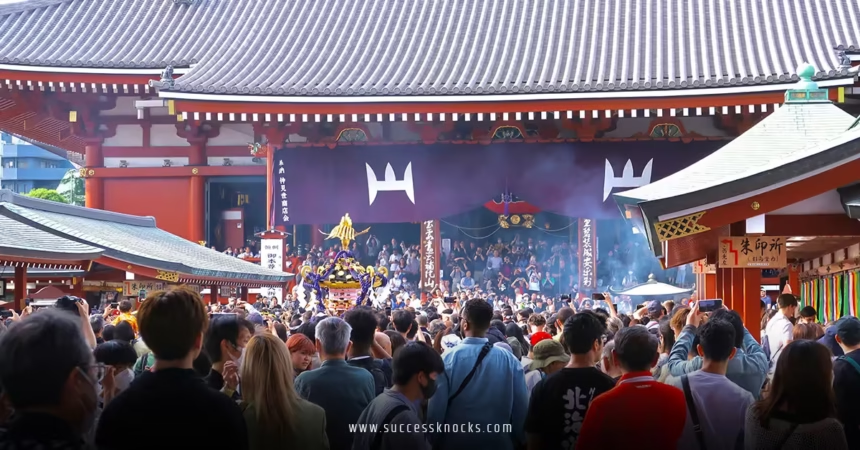
Locals face daily disruptions: blocked streets, overflowing trash bins, noise until late, and sometimes outright disrespectful behavior. Famous sites wear down faster from foot traffic. Natural areas suffer from erosion and waste. When residents feel their quality of life erodes, resentment grows — and that’s exactly what led to tough decisions like scrapping popular events.
The Arakurayama Sengen Park cherry blossom festival cancelled 2026 wasn’t just about one park. It highlighted a national conversation: tourism must benefit communities, not overwhelm them.
Japan’s National Response: Policies and Changes in 2026
The government isn’t sitting idle. Through the Japan Tourism Agency and expert panels, Japan rolled out a bold five-year plan (2026–2030) to tackle overtourism head-on.
Key moves include:
- Expanding overtourism countermeasures from 47 areas to 100 nationwide by 2030
- Tripling the international departure tax (from ¥1,000 to ¥3,000 starting July 2026) to fund infrastructure, cleanup, and local relief
- Introducing dual pricing at many attractions (higher fees for foreign visitors) to generate revenue for maintenance
- Overhauling tax-free shopping (ending instant exemptions from November 2026)
- Adding capacity limits, reservations, and entry fees at high-pressure sites like Mount Fuji trails
These aren’t punishments — they’re tools to redistribute visitors, ease pressure on hotspots, and reinvest in the places everyone loves.
Think of it like watering a garden: too much in one spot drowns the plants, but spreading it evenly helps everything thrive.
The Arakurayama Sengen Park Cherry Blossom Festival Cancelled 2026: A Wake-Up Call
Few examples hit harder than the sudden cancellation of the Arakurayama Sengen Park cherry blossom festival cancelled 2026.
For a decade, this Fujiyoshida event drew over 200,000 people annually to admire the Chureito Pagoda against Mount Fuji amid blooming sakura. It boosted the local economy — until it didn’t.
Residents reported serious issues: trespassing into private homes and yards, widespread littering, traffic paralysis, and even shocking hygiene violations in gardens. Mayor Shigeru Horiuchi called it a “sense of crisis,” stating the priority had to shift to protecting citizens’ dignity and peaceful daily life.
The city removed all official festival promotion, events, and infrastructure support. The park stays open, blossoms still appear, views remain stunning — but without the “festival” label, officials hope natural crowd reduction occurs.
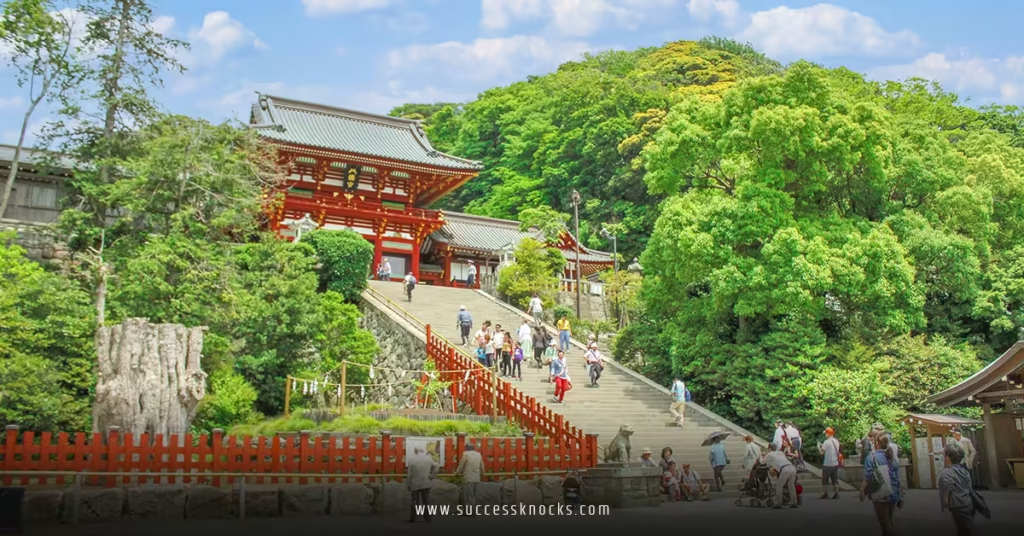
This isn’t an isolated story. Similar pressures exist in Kyoto’s narrow lanes, Mount Fuji’s climbing paths (now capped daily), and crowded shrines everywhere. Responsible tourism starts by learning from these examples.
Practical Ways You Can Practice Responsible Tourism in Japan 2026
You don’t need to change your entire itinerary — small, consistent choices add up massively.
1. Spread out your visits
Skip peak midday hours at famous spots. Arrive at sunrise or late afternoon. Explore lesser-known areas: instead of only Arakurayama, try quieter sakura views along Lake Kawaguchiko’s northern shore, Oshino Hakkai ponds, or Saiko Lake.
2. Follow basic etiquette everywhere
- Stay on marked paths — no shortcuts through private property
- Carry your trash until you find a bin (many places have limited waste facilities)
- Keep noise low, especially in residential neighborhoods
- Ask before photographing people
- Avoid blocking walkways for selfies
3. Support local economies thoughtfully
Eat at small family-run restaurants. Buy souvenirs from independent shops. Choose accommodations outside mega-hotels when possible — ryokans and minshuku in regional towns spread benefits wider.
4. Respect seasonal and site rules
Check for reservation systems (common at Mount Fuji and some temples). Pay any entry or conservation fees willingly — they fund preservation.
5. Choose shoulder times and off-the-beaten-path regions
Visit during early or late bloom windows. Head north to Tohoku or Hokkaido for later sakura with far fewer crowds. Regions like Kyushu, Setouchi, or Hokuriku offer incredible scenery without the crush.
Travel like you’re a guest in someone’s home — because in many ways, you are.
The Positive Side: Tourism That Benefits Everyone
Responsible choices create win-win scenarios. When crowds ease, locals smile more, sites stay beautiful longer, and you enjoy a calmer, more authentic experience.
Japan still aims high — targeting 60 million visitors by 2030 — but with smarter distribution. Companies promote regional routes (Hokkaido, Tohoku, Kyushu). Government funds support community-led projects. Travelers who choose thoughtfully help make that vision real.
Conclusion
Responsible tourism in Japan 2026 means traveling with awareness, respect, and a willingness to adapt. The Arakurayama Sengen Park cherry blossom festival cancelled 2026 serves as a powerful reminder: iconic places aren’t invincible. By spreading visits, following etiquette, supporting locals, and embracing quieter alternatives, you help preserve the very beauty that draws you here. Japan remains one of the world’s most magical destinations — let’s keep it that way for future travelers too. Pack your curiosity, leave only footprints, and come home with stories, not regrets.
External Links
- Japan Tourism Agency – Sustainable Tourism Initiatives
- World Economic Forum – Japan Redesigning Tourism for Communities
- NHK World – Overtourism Countermeasures Expansion
FAQs
1. What triggered the Arakurayama Sengen Park cherry blossom festival cancelled 2026 decision?
Severe overtourism caused disruptions like trespassing, litter, traffic chaos, and privacy violations, forcing Fujiyoshida to prioritize residents over promotion.
2. How is Japan fighting overtourism nationwide in 2026?
The government expands countermeasures to 100 areas, triples departure taxes, introduces dual pricing, limits capacities at sites, and promotes regional travel to distribute visitors better.
3. Can I still visit Arakurayama Sengen Park in 2026 despite the festival cancellation?
Yes — the park remains public, cherry trees bloom, and views of the pagoda and Fuji are accessible, just without official events or heavy promotion.
4. What are easy ways to be a responsible tourist during sakura season?
Visit early/late, use public transport, carry trash away, avoid private areas, and explore quieter spots like smaller lakes or regional parks instead of only mega-famous viewpoints.
5. Will responsible tourism change how enjoyable Japan is to visit?
Absolutely — in a good way. Fewer overwhelming crowds mean more peaceful moments, better interactions with locals, and preserved sites that stay magical longer.