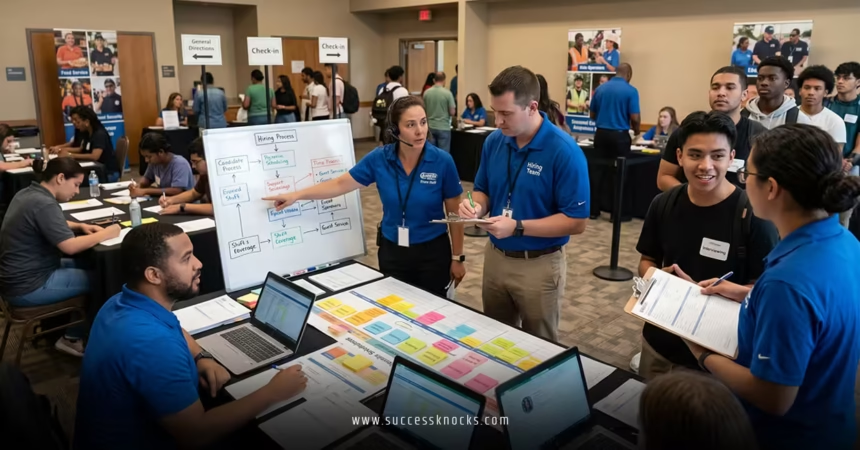
Seasonal event hiring strategies are what turn chaotic summer scrambles into smooth, high-performing crews that make festivals, concerts, fairs, and corporate events actually run well. Nail your approach and you’ll spend less time firefighting and more time delivering experiences people remember. Miss the mark and you’re stuck with no-shows, attitude problems, and last-minute gaps when the pressure is highest.
- Core focus: Building a repeatable system for sourcing, attracting, screening, and onboarding temporary staff for short-term event work.
- Why it matters in 2026: Competition for reliable seasonal workers is fierce. Pay transparency laws, shifting Gen Z expectations, and mobile-first applications demand smarter, faster strategies.
- Biggest payoff: Lower turnover, higher energy teams, and fewer operational headaches during peak season.
- Key reality: The best strategies treat hiring as part of the event production process—not an afterthought.
Here’s the thing: Great seasonal event hiring strategies start long before you post the first job. They combine proactive sourcing, crystal-clear expectations, and modern tools that respect candidates’ time.
Why Traditional Seasonal Event Hiring Strategies Fail in 2026
Old methods—posting on a few job boards and hoping—don’t cut it anymore. Workers now compare gigs across apps in minutes. They want clear pay, flexible-yet-realistic schedules, and proof the work won’t destroy their summer.
In my experience, the companies and organizers who win seasonal hiring treat candidates like valued collaborators. They move fast, communicate transparently, and build mini-pipelines year after year.
Core Components of Strong Seasonal Event Hiring Strategies
1. Early Planning & Forecasting
Map every event on your calendar. Estimate headcount by role—setup crew, guest services, security support, teardown, runners, tech assistants. Factor in buffers for no-shows (typically 15-25%).
2. Multi-Channel Sourcing
Don’t rely on one platform. Combine:
- Indeed, LinkedIn, and Handshake for students
- Local Facebook groups and Nextdoor
- TikTok and Instagram Reels showing “a day in the life”
- Referrals from past crew with cash bonuses
3. Fast Application Processes
Keep forms under 5 minutes. Use mobile-friendly tools with one-click apply.
4. Tiered Roles & Career Paths
Create entry, mid, and lead-level positions. This lets strong performers return next season.
5. Background & Compliance Checks
Build in time for background checks, especially for roles with cash handling or working with minors.
| Strategy Element | Time Investment | ROI Potential | Best For |
|---|---|---|---|
| Job Board Postings | Low | Medium | Volume hiring |
| Referral Programs | Medium | Very High | Quality & reliability |
| Social Media Campaigns | Medium-High | High | Younger demographics |
| University Partnerships | High upfront | High long-term | Student-heavy markets |
| Past Crew Re-engagement | Low | Highest | Experienced staff |

Step-by-Step Seasonal Event Hiring Action Plan
Step 1: Review last season’s data. Which roles had the highest turnover? What feedback did crew give?
Step 2: Write tight, honest job descriptions.
Writing job descriptions for summer event staff is the foundation—get this right and every downstream step improves dramatically.
Step 3: Set application windows 8-12 weeks before the first event. Start early for skilled roles like AV tech or lead supervisors.
Step 4: Screen with quick video questions or 15-minute calls. Look for enthusiasm and reliability signals more than perfect resumes.
Step 5: Run group orientations that double as team-building. Cover weather expectations, code of conduct, and guest experience standards.
Step 6: Onboard in small batches with clear schedules and shift-swapping tools.
Step 7: Collect feedback mid-season and adjust. Pay retention bonuses for completing the full contract.
What separates good organizers from great ones? They treat their seasonal crew like an extension of the core team instead of disposable labor.
Common Pitfalls and Quick Fixes
- Pitfall: Waiting until two weeks before the event.
Fix: Build a rolling pipeline. Keep a “warm” list of past applicants. - Pitfall: Vague pay ranges or hidden requirements.
Fix: Lead with pay. Be upfront about heat, long days, and physical demands. - Pitfall: Ghosting candidates.
Fix: Automate status updates. Even a rejection email builds your reputation. - Pitfall: No rehire system.
Fix: Create a alumni program with priority booking and higher base pay for returning staff.
Modern Tools & Trends for 2026
Leverage AI scheduling tools, digital contracts via DocuSign, and shift apps like When I Work or Deputy. Short employee advocacy videos on social channels convert exceptionally well right now. Many organizers run paid “crew takeover” days where past staff create content.
For deeper compliance and legal templates, check resources from the U.S. Department of Labor and state-specific seasonal employment guidelines.
Key Takeaways
- Start seasonal event hiring strategies 3-4 months ahead of peak season.
- Make [writing job descriptions for summer event staff] detailed, transparent, and mobile-optimized.
- Use multiple sourcing channels and prioritize referrals.
- Build rehire systems—your best future crew already worked for you.
- Keep applications fast and communication respectful.
- Measure what matters: time-to-fill, no-show rate, and end-of-season retention.
- Treat seasonal staff as brand ambassadors—they interact more with guests than you do.
- Review and refine after every event.
Bottom line: Smart seasonal event hiring strategies don’t just fill slots. They create reliable, high-energy teams that elevate your entire production. Put in the work upfront and your events will feel effortless on the ground.
Start today by auditing your last season’s hiring data and rewriting one role’s process using the steps above. You’ll see the difference by the time your first event gates open.
FAQs
How far in advance should I start seasonal event hiring strategies?
Begin planning 3-4 months out and post positions 8-12 weeks before your first event for best candidate quality.
What’s the best way to reduce no-shows with seasonal event hiring strategies?
Clear job descriptions, realistic schedules, early pay transparency, and quick confirmation texts dramatically cut no-shows.
How do I build a returning crew pipeline?
Offer completion bonuses, priority scheduling for next season, and stay in touch with a simple newsletter or group chat.