Key Takeaways
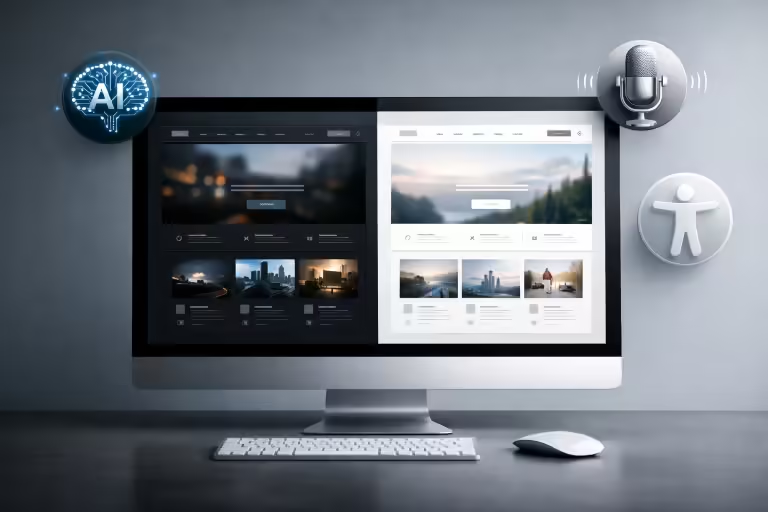
- Dark mode improves user comfort and device efficiency.
- Minimalist design increases speed and navigability.
- Voice search optimization helps tap into the trends of voice assistants.
- Accessibility broadens your website’s reach and ensures compliance.
- AI and machine learning drive personalization and higher engagement.
In the ever-evolving digital landscape, businesses need to stay proactive to secure their position in increasingly competitive markets. Significant trends are emerging that will shape the future of SEO website design. These trends are not only essential for enhancing visual appeal but also for improving search engine performance and overall user satisfaction. Adapting to the latest design principles ensures that websites remain relevant and offer a seamless browsing experience to a broader audience.
The shift in user expectations highlights the necessity for innovative approaches in web design, from visual customization to smarter usability. Modern users demand both aesthetic value and efficiency as they browse online, which calls for websites to evolve in step with technological advancements and new standards. By understanding and integrating these trends, brands can maximize their reach and engage visitors effectively across all digital touchpoints.
Dark Mode and Customization
Dark mode has rapidly gained traction among users, drawn by its sleek visual effect and practical benefits. Offering a darker interface helps reduce eye strain, especially at night or during prolonged use, and can also extend battery life on devices with OLED or AMOLED displays. Allowing visitors to toggle between dark and light themes caters to personal preferences and encourages longer engagement. This type of customization can help reduce bounce rates and increase satisfaction, thereby supporting SEO initiatives by maintaining strong site metrics.
Furthermore, as more users become accustomed to dark mode across operating systems and popular apps, the expectation is that websites will follow suit. Brands can strategically employ color palettes and contrast that not only comply with accessibility guidelines but also create a visually cohesive experience across light and dark themes. Integrating adaptive visuals, such as logos or icons that adjust with background settings, demonstrates attention to detail and consideration for user experience. Ensuring that all design elements function seamlessly in both modes can set a website apart and reinforce its modernity and inclusivity.
Dark mode also has branding benefits. For companies seeking a more premium or high-tech feel, darker themes can evoke a sense of sophistication and innovation. Coupled with the right typography and minimalistic accents, this approach can make a website instantly recognizable and memorable to its audience.
Minimalist Design
Simplicity and usability go hand in hand in today’s web design landscape. Minimalist sites load faster and are easier for users to navigate, reducing friction and helping visitors focus on core content. A decluttered interface aligns closely with Google’s criteria for positive user experience, a major ranking factor. Clean layouts, white space, and intuitive navigation speed up both page performance and a user’s ability to find what they need, enhancing usability and SEO outcomes.
An added benefit is that minimalist design prioritizes essential content, eliminating unnecessary elements that can distract visitors or bog down page load times. By stripping away excess, brands can optimize the user journey and highlight calls to action or key messaging. This is particularly effective for e-commerce or service-based sites, where conversion-driven layouts are crucial. As more users access the web via mobile devices, the need for clear, concise interfaces becomes even more pronounced. Mobile-first minimalist designs focus on thumb-friendly navigation and dynamically resizing content based on screen size, ensuring a consistently intuitive experience for all users.
Another evolving aspect is the blend of minimalist design with advanced animation or subtle transitions. For instance, when minimalist sites use gentle fade-ins, hover effects, or parallax scrolling sparingly, it keeps the user engaged and guides their attention without overwhelming them. This approach allows for a visually interesting, modern aesthetic while maintaining the performance and clarity advantages of minimalist design.
Voice Search Optimization
With more users relying on voice assistants for online searches, optimizing your website for voice queries has become crucial. This is achieved by structuring web content to include conversational phrases, answers to common questions, and featured snippets. With natural language processing at the core, these tactics address how people speak rather than how they type. As voice search adoption grows, websites that quickly adapt to this paradigm can boost visibility and cater to tech-savvy audiences (Forbes).
Implementing schema markup is another important strategy for voice search optimization. Structured data allows search engines to better interpret and display content as rich results or direct answers, which are especially favored in voice results. For websites targeting local audiences, integrating local SEO tactics such as detailed business listings, accurate physical addresses, and actionable FAQs can enhance relevance for “near me” or location-based queries. The continued rise of smart speakers, mobile voice assistants, and IoT devices suggests that voice-focused optimization will become the norm rather than the exception. Monitoring analytics and updating FAQs to reflect how people are speaking about topics can help ensure your website stays ahead of this trend.
Web Accessibility
Website accessibility is both a regulatory requirement and a reflection of your brand’s values. Making your site usable for everyone by following recognized standards, such as the Web Content Accessibility Guidelines (WCAG), is vital. This involves adding alt text for images, ensuring sufficient color contrast, supporting keyboard navigation, and designing logical layouts. Accessible sites attract a wider audience while reducing legal risks and strengthening brand reputation for inclusivity.
Beyond compliance, accessible web design demonstrates empathy and foresight. It’s important to accommodate a variety of physical and cognitive needs, such as providing captions or transcripts for multimedia content, avoiding relying solely on color to convey information, and writing descriptive link text for screen readers. Regular accessibility audits can help address potential barriers as websites scale or add new features. Importantly, accessible websites are easier to use for everyone, not just those with disabilities, including older adults and users with temporary impairments or slow internet connections. Considering global and multilingual accessibility expands potential reach even further, reinforcing your brand’s commitment to inclusivity in a digital world.
Artificial Intelligence and Machine Learning
Artificial intelligence (AI) and machine learning are fast becoming staples in web design. These technologies can analyze how users interact with your site to deliver personalized experiences, such as tailored recommendations and dynamic content. AI-driven chatbots improve customer support by providing immediate responses, while predictive analytics can inform design updates and content strategy. By making the user journey more relevant and efficient, AI supports both engagement and conversion goals.
Emerging tools powered by AI are enabling automated A/B testing, real-time personalization, and the generation of original creative elements, such as product descriptions and layout suggestions. As these technologies mature, they allow businesses of all sizes to deliver custom experiences previously accessible only to large organizations. For marketers, AI’s data analysis capabilities mean more accurate segmentation and targeting, while UX designers benefit from faster iterations and feedback loops. Integrating AI responsibly also involves maintaining transparency with users by clearly communicating automated decisions and data collection practices, and preserving trust and ethical standards throughout the customer journey.
Interactive and Immersive Elements
Interactivity adds a new dimension to web experiences, promoting deeper engagement and memorability. Features like micro-animations, scrolling effects, or subtle 3D visuals can help guide users and highlight important information. However, the key is to maintain a balance; overly complex interactions can hinder usability. By selectively adding immersive elements, websites can captivate users without sacrificing load time or accessibility.
Advanced interactive elements, such as augmented reality (AR) features, live polls, or custom calculators, are increasingly popular for brands looking to stand out in crowded markets. When used thoughtfully, these dynamic tools offer a memorable, hands-on experience. Interactive storytelling, where users can make choices that shape content flow or outcome, adds a layer of engagement not possible with static pages. The key is to ensure these features are intuitive and enhance, rather than detract from, your website’s primary goals. Testing new interactive elements with real users and gathering feedback can refine their effectiveness and ensure they support, not disrupt, the broader SEO and UX strategy.
Conclusion
Embracing the latest trends in SEO-friendly website design is critical for thriving in an increasingly digital world. By integrating features such as dark mode, minimalist layouts, voice search, accessibility, AI-driven personalization, and well-chosen interactive elements, companies can create digital platforms that are both attractive and highly functional. Staying proactive in adopting new strategies will be key to your business’s success, ensuring it remains visible, accessible, and relevant in 2026 and beyond.
Ultimately, keeping pace with these design developments requires ongoing learning and a willingness to adapt as technologies and user expectations continue to evolve. The most successful websites will be those that prioritize both function and form, meet search engine standards, welcome all users, and embrace technologies that differentiate them from competitors. Businesses that commit to continuous updates and testing will find themselves better equipped to attract, engage, and convert their audiences, maintaining a strong digital presence now and into the future.