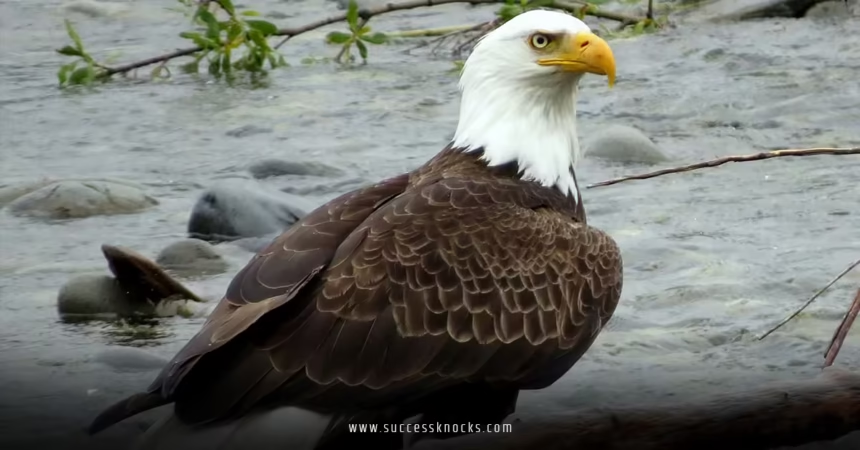
The Skagit River in Washington state transforms into one of North America’s premier bald eagle hotspots every winter, drawing hundreds of these majestic birds to feast on spawning salmon. If you’re planning a trip for the Bald Eagle Festival Washington state 2026 season or simply want the best eagle-watching experience, this Skagit River Bald Eagle Viewing Guide delivers everything you need—from prime spots and timing to practical tips and conservation insights.
Imagine crisp winter air, snow-dusted peaks in the distance, and the unmistakable silhouette of bald eagles perched like sentinels along the river. The Skagit River offers some of the highest concentrations of non-breeding bald eagles in the Lower 48 states. Peak viewing often brings 200–400+ eagles in a single stretch, creating aerial shows of soaring, diving, and dramatic feeding frenzies. Whether you’re a serious birder, photographer, or family looking for wonder, the Skagit delivers unforgettable moments.
Why the Skagit River Stands Out for Bald Eagle Viewing
What makes the Skagit so special? It starts with the salmon. Late-fall and winter chum and pink salmon runs provide an all-you-can-eat buffet for eagles migrating south from Alaska and Canada. The clean, cold river, flanked by old-growth forests and gravel bars, creates perfect hunting grounds. Eagles perch in cottonwoods and firs, dive for fish, and sometimes squabble over prime spots—pure wildlife drama.
This spectacle ties directly into broader regional events like the Bald Eagle Festival Washington state 2026, where communities celebrate the migration through education, guided activities, and shared awe. The Skagit area forms the core of these experiences, blending natural abundance with accessible viewing infrastructure.
Best Time to Visit the Skagit River for Bald Eagles in 2026
Timing is everything. Eagles begin arriving in November as salmon runs peak, with numbers building through December and January. The highest concentrations typically occur mid-December to late January, though excellent viewing continues into February.
For 2026, the Skagit River Bald Eagle Interpretive Center season runs from December 6, 2025, to February 15, 2026. Weekends feature the most programming, including guided hikes at 11:00 a.m. and 1:30 p.m. Saturdays and Sundays. Holiday weeks often include extra open days (e.g., December 27, 2025–January 1, 2026).
Pro tip: Visit on weekdays for quieter trails and potentially more intimate eagle sightings, or hit weekends for the full festival vibe with speakers, exhibits, and fellow enthusiasts.
Top Viewing Locations Along the Skagit River
Start at the hub and branch out. Here’s your roadmap to the best spots:
Howard Miller Steelhead Park & Skagit River Bald Eagle Interpretive Center (Rockport)
This is ground zero. Located at 52809 Rockport Park Rd, the Interpretive Center opens 10 a.m.–4 p.m. on public days. Inside, you’ll find exhibits on eagles, salmon, watershed ecology, a children’s corner, videos, and a replica eagle nest. Volunteers offer directions to current hot spots and viewing tips.
From here, join guided nature hikes (90–120 minutes, mostly flat) along the Sauk-Skagit Reach trail. These walks wind through forest, wetlands, and riverbank—prime for spotting perched or feeding eagles. The park’s bridge offers excellent upstream views of gravel bars where eagles hunt.
Milepost 100 Rest Area (Sutter Creek on SR 20)
A quick, scenic pullout with the river right beside the parking area. Look south across gravel bars for feeding eagles and upstream for perched birds in trees. It’s one of the easiest roadside stops with dramatic mountain backdrops.
Marblemount Area & Fish Hatchery
Farther east, the Marblemount Fish Hatchery provides close-up looks at salmon runs that attract eagles. Nearby river stretches often host dozens of birds. Combine this with drives along SR 20 between Rockport and Marblemount for continuous viewing.
Other Notable Spots
- Rockport State Park: Great for roosting eagles in large trees, especially at dusk.
- Skagit Wildlife Area (lower river near Fir Island/Conway): Good for distant views as eagles follow the river to Puget Sound.
- Boat tours: Several operators run heated drift boats or rafts for river-level perspectives—ideal for photographers wanting dynamic action shots.
Always stay on public land or designated paths—private property lines are strictly respected to avoid stressing wildlife.
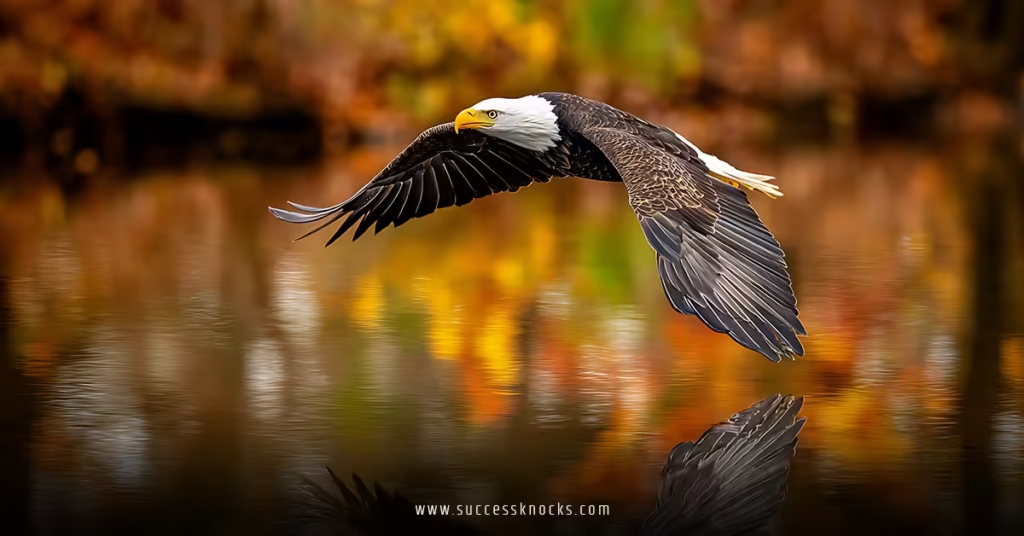
Essential Tips for Successful Skagit River Bald Eagle Viewing
Want to maximize your chances? Follow these practical pointers:
- Gear Up Right: Binoculars (8×42 or 10×42) or a spotting scope transform distant specks into detailed views. Bring a camera with 200–400mm zoom for ethical photography (keep 100+ yards distance).
- Dress for Winter: Layers, waterproof boots, hat, gloves—Pacific Northwest weather shifts fast. Rain gear is often essential.
- Timing Within the Day: Dawn and dusk bring peak activity as eagles feed. Midday sees more perching and resting.
- Ethics First: Never approach, bait, or disturb eagles. Use trails, maintain distance, and follow Leave No Trace principles.
- Weather Watch: Overcast days can make white heads pop against gray skies; sunny mornings offer golden light for photos.
Many visitors combine self-guided stops with a guided hike or boat tour for deeper insights.
Guided Experiences and Tours on the Skagit
Prefer expert guidance? Options abound:
- Interpretive Center Hikes: Free, volunteer-led, educational—perfect for beginners and families.
- River Boat Tours: Heated boats glide close to action (without disturbing birds). Operators like Skagit River Eagle Tours provide narration, hot drinks, and prime photo ops.
- Special Events: Check the Interpretive Center calendar for speaker series, artist presentations (e.g., Ramon Shiloh in January), or fundraisers like the Skagit River Wonder open mic on February 15, 2026.
These tie beautifully into the wider Bald Eagle Festival Washington state 2026 celebrations, amplifying the educational and communal aspects.
Conservation Insights: Why Your Visit Matters
The Skagit’s eagle population showcases conservation success—numbers rebounded dramatically after DDT bans and habitat protections. Ongoing challenges include lead poisoning (from scavenged carrion), salmon declines due to climate and barriers, and habitat pressures.
Your visit supports groups like the Skagit River Bald Eagle Interpretive Center volunteers and SRBEAT (Skagit River Bald Eagle Awareness Team). Ticket purchases, donations, and respectful behavior fund monitoring, education, and river restoration. Think of it as eco-tourism that directly helps sustain the spectacle.
Planning Your Skagit River Bald Eagle Adventure
- Getting There: Fly into Seattle (SeaTac), drive ~2 hours north on I-5 to SR 20. The route is scenic but winding—allow extra time.
- Stay Nearby: Rockport, Concrete, or Marblemount offer cabins, motels, and campgrounds (Howard Miller has sites). Mount Vernon provides more amenities.
- Combine Visits: Pair eagle watching with nearby North Cascades National Park trails or a stop in La Conner for charm.
Conclusion
The Skagit River Bald Eagle Viewing Guide boils down to this: prepare, respect the wildlife, and let the magic unfold. From the Interpretive Center’s welcoming base to roadside perches teeming with eagles, this corner of Washington delivers one of the world’s great wildlife spectacles. Whether you’re chasing the Bald Eagle Festival Washington state 2026 energy or craving quiet connection with nature, the Skagit promises memories of soaring wings, powerful dives, and the raw beauty of winter wilderness. Bundle up, grab your binoculars, and head north—you won’t regret it.
For more on regional events, check out the Skagit River Bald Eagle Interpretive Center. Explore guided options through Skagit River Eagle Tours. Learn about broader Washington wildlife at Visit Skagit Valley.
FAQ :
When is the best time to see bald eagles on the Skagit River in 2026?
Mid-December to late January 2026 offers peak numbers (often 200–400+ eagles). Excellent viewing continues through mid-February during the Bald Eagle Festival Washington state 2026 season.
Where is the main starting point for Skagit River eagle viewing?
Howard Miller Steelhead Park in Rockport — home to the Skagit River Bald Eagle Interpretive Center. It’s the best hub for maps, guided hikes, and current hot-spot updates.
Do I need binoculars or a scope for Skagit River eagle watching?
Yes — strongly recommended. Binoculars (8×42 or 10×42) or a spotting scope let you enjoy detailed views of perched and feeding eagles without disturbing them.
Is the Skagit River eagle experience family-friendly?
Absolutely. The Interpretive Center has kid-friendly exhibits, short flat trails, and engaging volunteer-led hikes — perfect for all ages during the Bald Eagle Festival Washington state 2026 period.
Are guided tours available on the Skagit River for eagles?
Yes — free weekend hikes from the Interpretive Center plus several private heated boat tours that get you closer to the action (ethical distances maintained).