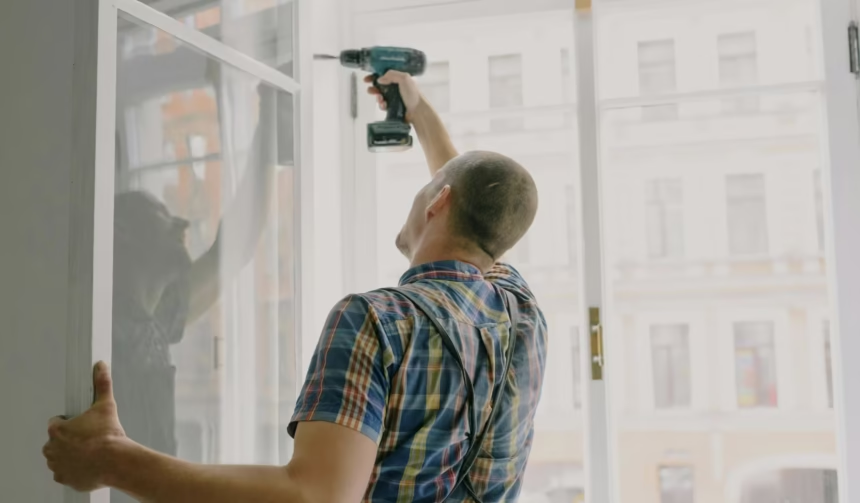
The majority of commercial buildings experience some type of issue that needs to be repaired at one point or another. Drywall cracks in stairwells, slow-forming water spots on ceiling tiles, or uneven floors around entrance areas all seem like minor issues. Most likely, none of these will disrupt your operation immediately; however, what seems to be a minor issue today may become a major problem tomorrow. Water intrusion can create mold remediation, a floor defect can create a potential liability, and aging drywall can hide structural weaknesses. All three of these examples represent hidden risks that quietly drain both budgets and safety.\Aging Problems Create Compound Risks
Aging Problems Create Compound Risks
There is a compound risk created when you ignore minor issues. For example, a leaky roof can slowly seep through your insulation and structural support, causing damage that goes far beyond the initial repair. When the leaks become apparent, the damage has already occurred, requiring a much longer period to fix and involving many more vendors. Instead of a quick fix from a handyman, the problem now requires a full-scale renovation project that involves weeks, not days. Not only does this become a maintenance expense, but it also creates a loss of productivity, an increase in insurance premiums, and safety issues and a possible hit to your reputation.
Limiting Risk Requires Early Detection
Building facility management personnel can limit their long-term risk of experiencing major problems by focusing on early identification of needed repairs. Handyman service routes can be used for regular inspections of a building. As handymen regularly inspect the same properties, they notice wall cracks before they spread, roof drainage problems before the roof starts leaking onto the walls, and slip and fall hazards before someone gets injured and makes a claim against your company. Additionally, bundled facility services can assist with identifying and fixing problems quickly with the least amount of disruption. With coordinated checklists and predictable inspection routes, facility personnel can track issues as they occur and address them before you need to spend money to correct them.
Downtime Claims and Expenses
Once a problem arises, the financial impact increases significantly. A single slip-and-fall lawsuit can result in tens of thousands of dollars in attorney fees, insurance deductibles, and settlement costs. Should a leak interrupt the normal operations of a tenant, you may be required to pay the rent or lease payments to that tenant while the building is being repaired. Work orders begin piling up, contractors take longer to arrive, and response time increases. Lost revenue from the inability to conduct business during the period of time when the repair is taking place is not the only negative economic impact of having a down building. Your ability to continue operating your business will also be impacted.
Proactive Inspection Services
Preventive handyman services provide an ongoing connection to the building. A series of inspections can document the progress of deteriorated caulk around windows, growing cracks in ceilings, and the gradual deterioration of flooring adhesive. Preventive inspections can also improve the timeliness of scheduling repairs, minimize the number of times that tenants need to be disrupted, and provide better communication between property managers and the vendor repairing the building. Preventive inspections can also contribute to maintaining a historical record of the repairs performed on the building that can assist with developing future maintenance plans. Ultimately, preventive inspections can produce a smoother, less expensive, and more reliable repair process with fewer unexpected surprises.
Conclusion: Reduced Operating Costs Through Awareness
Commercial building owners and facility managers must understand that the minor issues that arise in their buildings typically do not remain minor. When ignored or neglected, these minor issues grow into more complex, time-consuming, and costly issues. Facility services that offer proactive, scheduled handyman visits can help mitigate these exposures. Building owners and facility managers who focus on identifying and resolving issues early in their development can minimize lost revenue due to downtime, claims resulting from accidents and other incidents, and smooth day-to-day operations. The cost savings realized by adopting an awareness-based approach to managing repairs are real, measurable, and ongoing.