
A staggering 65% of high-potential startups fail due to co-founder conflict, with equity disputes often at the heart of the storm. Navigating co-founder conflict over equity requires a blend of foresight, direct communication, and a willingness to compromise for the business’s long-term health. You need robust strategies to address these disagreements head-on, protecting both your partnership and your venture’s future. This guide illuminates key approaches, offering practical advice for resolving even the most entrenched equity disagreements.
Understanding the Genesis of Equity Conflict

Equity, the lifeblood of a startup, fuels innovation and rewards risk. Yet, it frequently becomes a flashpoint. Disagreements over equity distribution, vesting schedules, or future dilution can quickly sour even the strongest co-founder relationships.
The Initial Dream vs. Reality
Founders often begin with an optimistic vision. Equal shares might feel fair at the start, especially when everyone contributes sweat equity. However, as the startup evolves, roles shift and contributions vary. Reality sets in, often bringing unforeseen challenges.
Why Equity Becomes a Battleground
Equity represents ownership, control, and future wealth. It’s not merely about numbers; it embodies perceived value, commitment, and sacrifice. When one co-founder feels their contribution outweighs their stake, resentment brews, turning equity into a battleground.
The Vesting Schedule Conundrum
A vesting schedule dictates when founders truly “own” their equity. Typically, it involves a four-year period with a one-year cliff. If a co-founder leaves before the cliff, they get nothing. This mechanism protects the company, but it can also become a source of contention if performance or commitment wavers.
Dilution and Future Funding Rounds
Bringing in outside investors means new equity issuance, inevitably diluting existing shares. While necessary for growth, this dilution can spark conflict if co-founders disagree on valuation, investor terms, or even the necessity of external funding. Understanding how to secure funding, whether through top government grants for new business your 2026 or from venture capitalists, is critical for all founders.
Proactive Measures: Building a Solid Foundation
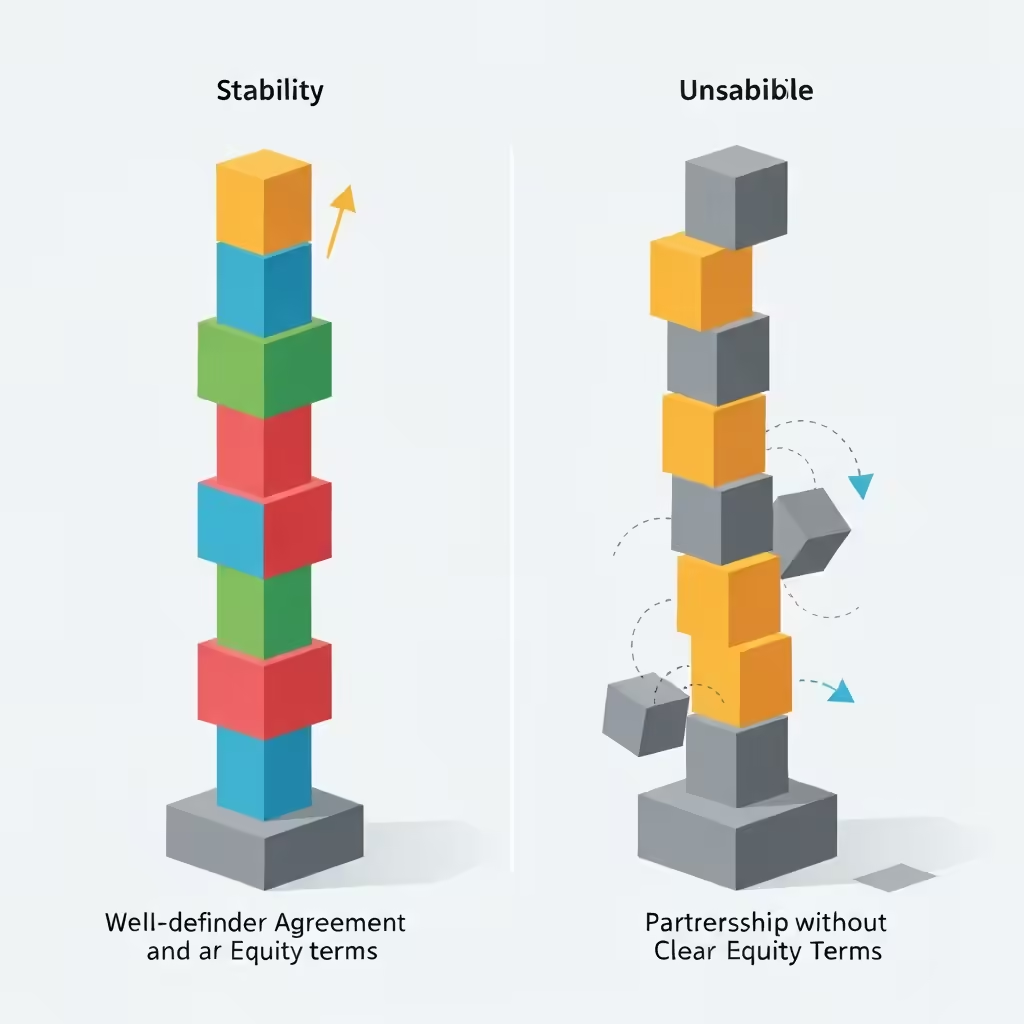
Prevention always trumps cure. Laying a clear, legally sound foundation from day one drastically reduces the likelihood of future equity conflicts. You must establish clarity early.
The Importance of a Founder Agreement
This foundational document outlines everything: equity splits, roles, responsibilities, decision-making processes, and exit clauses. Don’t rely on handshakes. A comprehensive founder agreement protects everyone.
Defining Roles and Responsibilities Clearly
Ambiguity kills partnerships. Clearly define who does what. Detail specific tasks, areas of ownership, and measurable outcomes. This prevents later arguments about who contributed more.
Setting Up a Robust Vesting Schedule
Implement a vesting schedule that makes sense for your venture. Consider longer vesting periods for high-risk ventures or performance-based vesting. Align it with realistic milestones.
Considering Intellectual Property Ownership
Who owns the code? The designs? The brand name? Ensure your founder agreement explicitly addresses intellectual property (IP) ownership from inception. This avoids messy disputes down the line.
Regular Communication Channels
Establish a culture of open, honest communication. Schedule regular check-ins, not just about operations, but about partnership dynamics and individual satisfaction.
Recognizing the Red Flags: Early Warning Signs
Conflicts don’t typically erupt overnight. Subtle signs often precede major blow-ups. Learning to spot these early warnings allows you to intervene before the situation escalates beyond repair.
Subtle Shifts in Engagement
Notice if a co-founder seems less enthusiastic, misses meetings, or delays tasks. These could indicate underlying dissatisfaction. Their passion might be waning.
Unequal Contributions
One co-founder consistently working longer hours, taking on more challenging tasks, or bringing in more value can lead to feelings of inequity. Track contributions.
Communication Breakdown
Are conversations becoming terse? Is vital information being withheld? A breakdown in communication is a major red flag. It indicates a deeper problem.
Differences in Vision or Values
Co-founders may start aligned, but their personal visions or core values can diverge over time. This fundamental misalignment often manifests as equity disputes.
Crucial Strategies for Navigating Co-Founder Conflict Over Equity
When conflict arises, you need a structured approach. These 10 strategies offer a roadmap for effective resolution, focusing on fairness, communication, and legal prudence.
Strategy 1: Open and Honest Dialogue
Confronting the issue directly is paramount. Avoid passive aggression or sidestepping the problem. Schedule a dedicated meeting solely for this discussion.
Creating a Safe Space for Discussion
Choose a neutral location. Agree on ground rules: no interruptions, no personal attacks, focus on the problem, not the person. Ensure both parties feel heard.
Active Listening and Empathy
Truly hear your co-founder’s perspective. Understand their concerns. Acknowledge their feelings without necessarily agreeing with their conclusions. Empathy can defuse tension.
Strategy 2: Revisit the Founder Agreement
Your existing agreement is your first line of defense. Pull it out, read it, and understand its provisions. It defines your partnership’s legal framework.
Understanding Original Intent
Discuss what you both intended when you drafted the agreement. Sometimes, a simple reminder of the original spirit can bring clarity.
Identifying Ambiguities
Does the agreement have gaps? Are terms vague? Pinpoint areas that contribute to the current misunderstanding. These ambiguities require immediate clarification.
Strategy 3: Quantifying Contributions and Value
Emotional arguments often cloud the issue. Bring data to the table. Objectively measure contributions to re-evaluate equity distribution.
Measuring Time and Effort
Track hours worked, tasks completed, and specific achievements. While not the sole metric, it provides a tangible baseline.
Valuing IP and Network
Did one co-founder bring crucial intellectual property, a robust network, or critical early funding? Assign value to these non-time-based contributions. This can be complex.
Future Value vs. Past Input
Consider the ongoing value each co-founder brings. Equity isn’t just a reward for past work; it’s an incentive for future commitment and growth.
Strategy 4: Exploring Vesting Schedule Adjustments
Sometimes, the simplest solution is to adjust the existing vesting. This might mean accelerating vesting for a high-contributing founder or resetting it for a re-engaged one.
Re-evaluating Performance Milestones
Tie vesting to specific, measurable performance goals. This clarifies expectations and rewards tangible results.
Clawback Provisions
Consider adding or modifying clawback provisions, which allow the company to repurchase vested shares under certain circumstances, such as gross misconduct.
Strategy 5: The Power of Mediation
When direct talks fail, a neutral third party can work wonders. A mediator facilitates communication and helps you find common ground.
When to Bring in a Neutral Third Party
If discussions become circular, emotionally charged, or unproductive, it’s time for mediation. Don’t wait until the relationship is irreparable.
Finding the Right Mediator
Look for someone experienced in startup dynamics and conflict resolution. A good mediator is impartial, skilled in active listening, and focused on solutions.
Strategy 6: Seeking Legal Counsel Early
Consulting an attorney isn’t an act of aggression; it’s a prudent step. Lawyers provide objective advice and ensure any resolution is legally binding.
Understanding Your Rights and Obligations
A lawyer can explain your founder agreement’s legal implications and clarify your rights and duties under state law. This knowledge empowers you.
Drafting Amendments
Any changes to equity or roles must be formalized. Your lawyer drafts amendments to the founder agreement, ensuring legal enforceability. This protects everyone involved.
Strategy 7: Considering a Buyout or Exit Strategy
If fundamental differences persist, a clean separation might be the best option. This involves one co-founder buying out the other’s equity.
Fair Valuation Processes
Agree on a method for valuing the company. This could involve an independent appraisal or a mutually agreed-upon formula. Fairness is key.
Negotiating Terms
Determine the buyout price, payment schedule, and any non-compete clauses. This requires careful negotiation, often with legal guidance.
Strategy 8: Prioritizing the Business’s Survival
Remember why you started this venture. Your personal feelings, while valid, should not jeopardize the company’s future. The business must remain the priority.
Separating Personal from Professional
It’s tough, but essential. Focus on the business implications of your decisions, not just the personal slight.
Focusing on Mission
Remind yourselves of the company’s core mission and vision. Can you still achieve it together? If not, what’s the best path forward for the venture?
Strategy 9: Documenting Everything
Every discussion, every decision, every agreement must be documented. This creates a clear record and prevents “he said, she said” scenarios.
Meeting Minutes and Decisions
Keep detailed minutes of all conflict resolution meetings. Note attendees, topics discussed, decisions made, and action items.
Email Trails and Agreements
Confirm verbal agreements in writing. Use email to summarize discussions and formalize understandings. This paper trail proves invaluable if disputes escalate.
Strategy 10: Learning from the Experience
Every conflict, even resolved ones, offers valuable lessons. Reflect on what went wrong and how you can prevent similar issues in the future.
Post-Resolution Review
Once the dust settles, conduct a review. What worked? What didn’t? How can your partnership be strengthened moving forward?
Applying Lessons to Future Ventures
The insights gained from navigating co-founder conflict over equity can prove invaluable. You’ll approach future partnerships with greater wisdom and a more robust framework.
A Practical Tool: The Co-Founder Conflict Resolution Checklist
When equity disputes emerge, a structured approach helps keep things organized and productive. Use this checklist to guide your resolution process.
Step 1: Acknowledge the Issue
- Recognize that a conflict exists.
- Identify the specific point of contention regarding equity.
Step 2: Schedule a Dedicated Meeting
- Agree on a neutral time and place.
- Set a clear agenda: discuss equity dispute.
Step 3: Define the Core Disagreement
- Each co-founder articulates their perspective without interruption.
- Identify underlying concerns (e.g., feeling undervalued, unequal effort).
Step 4: Propose Solutions
- Brainstorm potential adjustments to equity, roles, or vesting.
- Evaluate pros and cons of each proposed solution.
Step 5: Seek External Input (Mediator/Legal)
- If direct talks stall, consider engaging a professional mediator.
- Consult legal counsel to understand implications and draft agreements.
Step 6: Formalize the Agreement
- Document all agreed-upon changes in writing.
- Amend the founder agreement with legal assistance.
- Sign and date all revised documents.
Case Study Snippet: The “InnovateTech” Imbalance
Consider the journey of InnovateTech, a burgeoning AI startup in 2026. Founders Alex and Ben initially split equity 50/50. Alex handled product development, Ben managed business development and fundraising.
Initial Agreement
Their initial founder agreement was simple, lacking detailed vesting or clear performance metrics. They were friends, optimistic.
The Conflict Emerges
After 18 months, InnovateTech secured a major funding round. Ben, having tirelessly pitched investors and built critical partnerships, felt his 50% no longer reflected his disproportionate effort in securing capital and growth opportunities. Alex, meanwhile, believed his technical contributions were equally vital. The equity split became a painful point of contention.
Resolution Path
They initially tried discussing it themselves, but emotions ran high. They engaged a mediator, who helped them quantify past contributions and project future value. Ultimately, they agreed to adjust their vesting schedule, with Ben receiving an accelerated vesting bonus tied to specific fundraising milestones, and Alex’s future vesting tied to product delivery targets. They also established a clear process for future equity reviews.
Key Takeaways
The InnovateTech case highlights the need for:
- Detailed founder agreements from the start.
- Open communication, even when difficult.
- Willingness to adjust equity based on evolving contributions.
- The value of a neutral third-party mediator.
Future-Proofing Your Partnership: Proactive Steps for 2026 and Beyond
Preventing future conflicts means building resilience into your co-founder relationship. This requires ongoing effort and transparency.
Regular Equity Reviews
Don’t wait for conflict to erupt. Schedule annual or bi-annual equity reviews. Discuss contributions, future plans, and any perceived imbalances.
Building Trust and Transparency
Trust is the bedrock of any partnership. Be transparent about challenges, successes, and even personal struggles that might impact your work.
Continuous Communication Training
Effective communication is a learned skill. Consider workshops or resources that help you and your co-founder improve your dialogue and conflict resolution abilities.
Anticipating Growth Scenarios
Think ahead. What happens if you hire a CEO? What if one co-founder wants to step back? Plan for these possibilities in your founder agreement.
Leveraging Digital Tools for Transparency
Modern tools can streamline operations and enhance transparency. Platforms for project management, financial tracking, and shared documentation can reduce misunderstandings. Exploring digital transformation for small business with AI can provide insights into tools that boost transparency and efficiency, indirectly preventing equity disputes.
Understanding Funding Implications
As your startup grows, you’ll likely seek further investment. Whether you’re looking at best crowdfunding platforms 2026 top picks or venture capital, understand how each funding round impacts your equity and discuss it openly.
Considering Shared Investments
Decisions about shared company investments, such as affordable SEO for small business services, should be made collaboratively. These discussions, while not directly equity-related, build a habit of joint decision-making and shared responsibility, which strengthens the overall partnership and reduces potential friction.
Conclusion
Navigating co-founder conflict over equity is an inevitable challenge for many startups. Yet, it doesn’t have to spell doom for your venture. By embracing proactive measures like robust founder agreements, fostering open communication, and employing structured resolution strategies, you can transform potential crises into opportunities for growth. Remember, your business’s success often hinges on your ability to resolve these critical internal challenges with grace and strategic foresight. Prioritize fairness, seek objective counsel, and always keep the long-term vision of your company at the forefront.
What is Co-Founder Equity?
Co-founder equity refers to the ownership stake that each founder holds in their startup company. It’s typically represented by shares and signifies their percentage of ownership, their claim on profits, and often their voting rights.
Why Do Co-Founder Equity Conflicts Occur?
Conflicts often arise due to differing perceptions of contributions, unequal workloads, changes in individual commitment, lack of clear roles, or the absence of a comprehensive founder agreement outlining initial splits and future adjustments.
What is a Vesting Schedule and How Does It Help?
A vesting schedule dictates when a co-founder’s equity truly becomes theirs, usually over a period (e.g., four years with a one-year cliff). It helps prevent immediate equity ownership, protecting the company if a co-founder leaves early and ensuring continued commitment.
Should We Involve a Mediator in an Equity Dispute?
Yes, absolutely. If direct discussions become unproductive, emotionally charged, or repetitive, a neutral third-party mediator can facilitate communication, help identify underlying issues, and guide co-founders toward mutually agreeable solutions.
How Can Legal Counsel Assist in Equity Conflicts?
Legal counsel provides objective advice on your rights and obligations under your founder agreement and relevant laws. They can help draft legally binding amendments to your agreement, ensuring any resolution is enforceable and protects all parties.
What if We Can’t Resolve Our Equity Conflict?
If resolution proves impossible, you might consider options like one co-founder buying out the other’s stake, or in extreme cases, dissolving the partnership. These paths require careful legal guidance to ensure a fair and lawful separation.