Summer wellness challenges for corporate employees are structured, time-bound programs that encourage office workers to build better habits during the warmer months—think hydration goals, step targets, mindfulness streaks, and outdoor movement—without demanding a total life overhaul.
Summer wellness challenges for corporate employees matter because the season hits hard. Longer days clash with screen time. Heat zaps energy. Vacations disrupt routines. Done right, these challenges cut stress, boost focus, and help teams show up sharper.
- They combat summer-specific drags like dehydration and sedentary desk life.
- Participation often spikes because outdoor activities feel less like chores.
- Companies see real returns: lower absenteeism, better morale, and measurable productivity lifts.
- Beginners and intermediates both win—easy entry points with room to level up.
- They build habits that stick past Labor Day.
Summer wellness challenges for corporate employees deliver quick wins in a season when burnout creeps in quietly.
Why Summer Demands Its Own Wellness Playbook
Office life in summer feels like a weird tug-of-war. AC blasts while the sun calls your name. Meetings pile up as energy dips. The CDC notes that workplace wellness programs generally improve health behaviors and cut risks, which translates to fewer sick days and stronger output.
Heat makes hydration non-negotiable. Longer daylight tempts late nights that wreck sleep. Hybrid schedules blur boundaries. The kicker? Many employees already feel the slide but lack a simple system to push back.
That’s where targeted challenges shine. They turn vague “I should move more” intentions into trackable games. In my experience, teams that run summer-specific versions see higher engagement than generic year-round programs. People bond over shared goals when the weather cooperates.
What usually happens is motivation fades by mid-July without structure. A clear challenge changes the script.
Popular Summer Wellness Challenges for Corporate Employees
Here are proven formats that work in 2026 office environments:
Hydration Hero – Track daily water intake with team leaderboards or app streaks. Aim for half your body weight in ounces, adjusted for heat and activity.
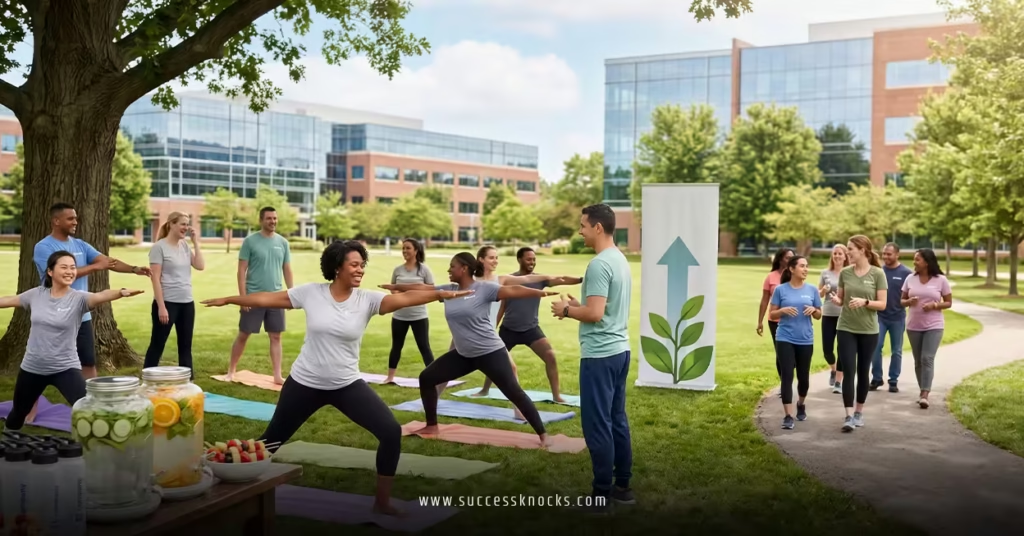
Step It Up Outdoor – Log walks, hikes, or lunchtime laps. Leverage longer days for 10k-step targets or team “mileage” competitions.
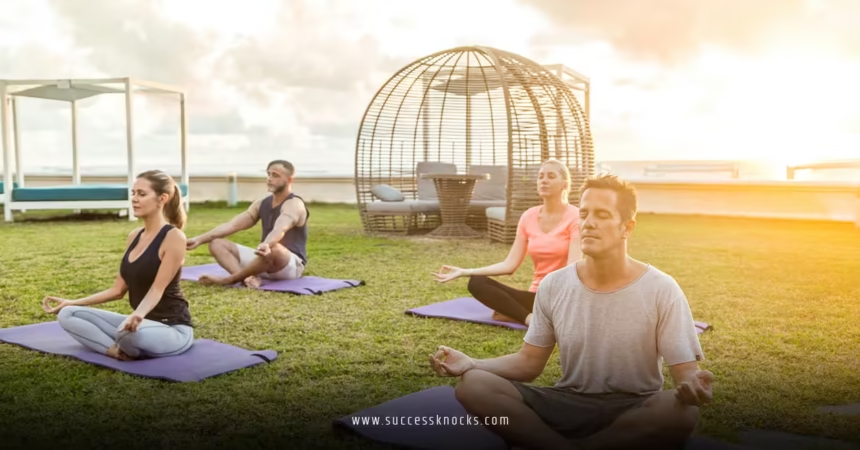
Mindful Minutes – Daily meditation, breathing exercises, or screen-free breaks. Perfect for combating afternoon slumps.
Sun-Smart Nutrition – Focus on seasonal produce, balanced snacks, and recovery meals. Tie it to energy levels rather than weight.
Active Commute or Movement Breaks – Bike to work challenges, standing meetings, or 5-minute stretch resets.
These aren’t one-size-fits-all. Mix physical, mental, and social elements for broader appeal.
Comparison of Challenge Types
| Challenge Type | Time Commitment | Best For | Difficulty (Beginner/Intermediate) | Expected Benefits | Tools Needed |
|---|---|---|---|---|---|
| Hydration Hero | 5 min/day | Everyone | Low / Medium | Better focus, fewer headaches | App or water bottle |
| Step It Up Outdoor | 30-60 min/day | Desk workers | Medium / Medium-High | Energy, vitamin D, stress relief | Fitness tracker |
| Mindful Minutes | 10-15 min/day | High-stress roles | Low / Medium | Lower burnout, sharper decisions | Meditation app |
| Nutrition Focus | Meal planning | Busy professionals | Medium / High | Sustained energy, better sleep | Simple tracking sheet |
| Team Social Moves | Weekly events | Remote/hybrid | Low / Medium | Connection, fun accountability | Group chat or platform |
Step-by-Step Action Plan for Beginners
Start simple. Overcomplicating kills momentum.
- Pick one focus area. Don’t boil the ocean. Choose hydration or daily walks first.
- Set a realistic duration. 2-4 weeks works better than 90 days for summer. Keep it light.
- Define clear rules. “Drink 80 oz daily” beats “drink more water.” Make it measurable.
- Use free or low-cost tools. Phone apps, shared spreadsheets, or existing corporate wellness platforms.
- Recruit buddies. Accountability skyrockets with a partner or small team.
- Track weekly wins. Celebrate small progress publicly—Shout-outs in Slack land better than trophies.
- Adjust as you go. Heatwave? Shift walks to mornings. What I’d do if leading this: Add flexible “make-up” days for travel.
Here’s the thing—consistency beats perfection. Missing a day doesn’t reset your streak if you jump back in.
Advanced Tips for Intermediate Players
Once basics click, layer in more. Combine challenges: Hydration plus mindful walks. Add recovery—focus on sleep tracking during peak heat. Experiment with “no-meeting Fridays” tied to movement goals for bigger impact.
Personalize it. Night owls might own evening walks. Parents could include family-friendly versions. Data from programs shows tailored approaches keep people engaged longer.
Common Mistakes & How to Fix Them
- Going too hard too fast. Newbies crash. Fix: Start with 70% effort max.
- Ignoring heat and schedules. Midday runs in 95°F? Bad idea. Fix: Emphasize early/late timing and indoor options.
- No accountability. Solo challenges fizzle. Fix: Pair people or use team dashboards.
- Forgetting recovery. Extra movement without rest leads to burnout. Fix: Build in rest or lighter days.
- Tracking burnout. Obsessive logging stresses people out. Fix: Weekly check-ins over daily micromanagement.
The fix is almost always simplification and social support.
Making Summer Wellness Challenges for Corporate Employees Stick
Leadership buy-in changes everything. When managers join, participation jumps. Tie challenges lightly to existing benefits—EAP mental health resources or gym stipends.
For deeper reading on workplace health models, check the CDC Workplace Health Promotion resources. Explore hydration science from reliable health authorities for credible backing. And review mental fitness approaches from HHS for holistic strategies.
Summer wellness challenges for corporate employees thrive when fun meets flexible. Rigid rules kill joy. Gamification—points, badges, friendly competition—keeps energy high.
Key Takeaways
- Summer wellness challenges for corporate employees blend physical activity, hydration, and mental resets tailored to seasonal realities.
- They deliver measurable gains in energy, focus, and team connection when kept simple and social.
- Beginners succeed by starting small with clear, trackable goals.
- Avoid common pitfalls like overambition or poor timing by building flexibility in.
- Leadership participation and buddy systems dramatically boost results.
- Track progress without obsession—focus on how you feel and perform.
- Habits built in summer often carry into fall with stronger momentum.
- The real win is sustainable change, not temporary summer sprints.
Summer wellness challenges for corporate employees aren’t about becoming a different person by September. They’re about showing up as a sharper, steadier version of yourself—right when the season tries to pull you off balance.
Pick one idea this week. Grab a colleague. Start small. The compound effect on your energy and output will surprise you.
FAQs
How long should summer wellness challenges for corporate employees run?
Two to six weeks hits the sweet spot. Long enough for habits to form, short enough to maintain excitement through vacations and heat waves.
Can remote teams run effective summer wellness challenges for corporate employees?
Absolutely. Use apps for tracking, virtual check-ins, and shared photo challenges. Focus on individual goals with optional group events to bridge distances.
Do summer wellness challenges for corporate employees need a big budget?
No. Many succeed with free tools, internal leaderboards, and small incentives like gift cards or extra break time. The structure and social element matter more than spending.