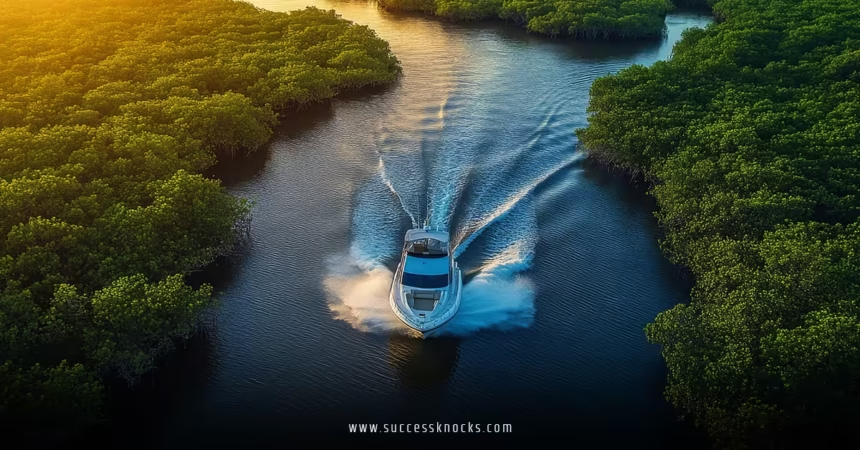
Sustainable boating practices are essential for protecting our oceans, lakes, and rivers while still enjoying the thrill of being out on the water. Imagine gliding across a pristine bay, knowing your choices help preserve it for future generations— that’s the heart of sustainable boating practices, where every trip becomes a step toward environmental stewardship. In this article, we’ll explore practical ways to adopt these habits, drawing from expert insights and real-world applications, all while tying back to exciting events like the January 2026 Boat Shows in USA, where you’ll find cutting-edge eco-friendly innovations on display.
Why Sustainable Boating Practices Matter in Today’s World
Have you ever paused to think about the hidden impact of your boating adventures? Sustainable boating practices aren’t just a trend; they’re a necessary shift in how we interact with waterways, especially as pollution and climate change threaten marine ecosystems. According to the United Nations Environment Programme, recreational boating contributes to issues like fuel spills and invasive species spread, but adopting sustainable methods can reduce this footprint significantly.
For instance, sustainable boating practices help maintain water quality, protect wildlife, and support local economies dependent on healthy ecosystems. Experts from the Ocean Conservancy emphasize that small changes, like using biodegradable cleaners, can prevent microplastic pollution. By embracing these practices, you’re not only safeguarding the environment but also enhancing your own experiences—think clearer waters for better fishing or sailing. And if you’re planning ahead, events such as the January 2026 Boat Shows in USA often highlight sustainable boating practices [blocked], offering demos and seminars that make it easy to get started.
The Core Principles of Sustainable Boating Practices
Let’s break down the fundamentals of sustainable boating practices into actionable principles. At their core, these involve minimizing waste, conserving resources, and promoting biodiversity, all while keeping your adventures enjoyable and safe.
Reducing Fuel Consumption and Emissions
One key aspect of sustainable boating practices is tackling fuel use, as boats can emit greenhouse gases that contribute to global warming. Start by choosing fuel-efficient engines or switching to electric motors, which can cut emissions by up to 50%, based on data from the Environmental Protection Agency (EPA). Picture your boat as a hybrid car on water—efficient, quiet, and kinder to the planet.
Rhetorical question: Why stick with outdated tech when modern alternatives like solar-powered auxiliaries are available? Upgrading not only lowers your carbon footprint but also saves money on fuel in the long run. For example, incorporating regenerative braking systems in electric boats recaptures energy, making your outings more efficient.
Waste Management and Pollution Prevention
Proper waste management is another pillar of sustainable boating practices. Always follow the “leave no trace” rule by using onboard holding tanks for sewage and disposing of them at designated facilities. The NOAA reports that improper waste disposal leads to harmful algal blooms, affecting fish populations and water quality.
Think of your boat as a mobile ecosystem—every piece of trash you prevent from entering the water helps maintain balance. Simple steps include carrying reusable containers for snacks and gear, and participating in clean-up events organized by groups like the Surfrider Foundation. By doing so, you’re actively contributing to healthier waterways, a theme often explored at gatherings like the January 2026 Boat Shows in USA.
Protecting Biodiversity and Habitats
Sustainable boating practices also focus on minimizing disturbance to wildlife. Avoid sensitive areas like seagrass beds or bird nesting zones, and adhere to speed limits in protected waters to reduce wake damage. The World Wildlife Fund highlights that boat traffic can disrupt marine mammals, so maintaining a safe distance is crucial.
Use this analogy: Just as you wouldn’t trample a garden, be gentle with underwater habitats. Tools like GPS apps for eco-friendly routing can help you navigate responsibly, ensuring your passion for boating coexists with nature’s needs.
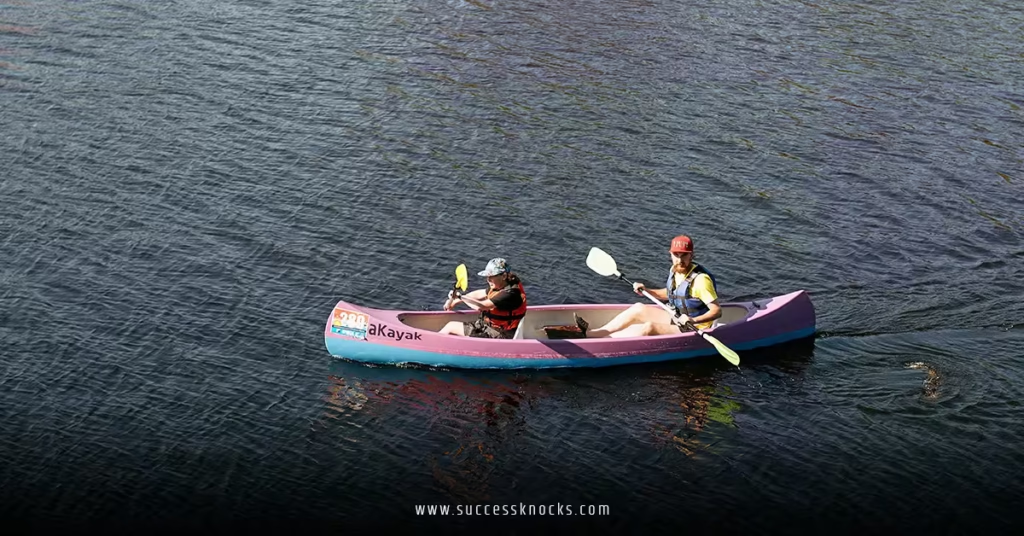
Practical Tips for Implementing Sustainable Boating Practices
Ready to put these principles into action? Here’s how to make sustainable boating practices a seamless part of your routine, with step-by-step guidance that’s beginner-friendly and effective.
Choosing Eco-Friendly Gear and Maintenance
Start with your equipment: Opt for boats made from recyclable materials or those certified by organizations like the Marine Stewardship Council. When maintaining your vessel, use non-toxic antifouling paints and biodegradable oils to prevent chemical runoff.
For example, regularly inspect your hull to reduce drag, which improves fuel efficiency—it’s like tuning up a car for better mileage. If you’re attending the January 2026 Boat Shows in USA, check out the eco-gear exhibits for hands-on advice and deals on sustainable products.
On-the-Water Strategies for Everyday Boaters
Once you’re out there, focus on mindful operations. Monitor your speed to minimize fuel use and wake, and anchor in designated spots to avoid damaging the seafloor. Employ energy-saving devices, such as LED lights and efficient propellers, to extend your trip’s eco-benefits.
A practical tip: Track your usage with apps from trusted sources like BoatUS, which offer insights into consumption patterns. This not only helps you adopt sustainable boating practices but also builds habits that enhance safety and enjoyment.
Community Involvement and Education
Get involved beyond your own boat—join local conservation groups or volunteer for waterway clean-ups. Education is key; attend workshops to learn about regional regulations and best practices, fostering a community of responsible boaters.
By sharing knowledge, you’re multiplying the impact, much like ripples from a single stone. Events like the January 2026 Boat Shows in USA often include sessions on sustainable boating practices, linking you to a network of enthusiasts and experts.
Innovations and Technology in Sustainable Boating Practices
Technology is revolutionizing sustainable boating practices, making it easier than ever to go green. From AI-driven navigation systems that optimize routes for minimal impact to bio-based fuels, the future is bright.
For instance, electric propulsion systems, as discussed in reports from the International Council on Clean Transportation, are becoming more affordable and powerful. Imagine a boat that charges via renewable energy sources—it’s not science fiction anymore. These advancements will be spotlighted at upcoming events, including the January 2026 Boat Shows in USA, where you can see them in action.
Challenges and Benefits of Sustainable Boating Practices
Of course, adopting sustainable boating practices isn’t without challenges, like higher initial costs or learning curves. But the benefits far outweigh these: improved water quality, cost savings over time, and personal satisfaction from making a difference.
Based on studies from the EPA, sustainable efforts can lead to healthier ecosystems, supporting tourism and recreation. It’s a win-win, turning potential obstacles into opportunities for growth.
Conclusion: Embrace Sustainable Boating Practices for a Brighter Future
In wrapping up, sustainable boating practices are more than just guidelines—they’re a pathway to enjoyable, responsible adventures that protect our precious waterways. By reducing emissions, managing waste, and engaging with the community, you can make every outing count. Whether you’re a seasoned sailor or just starting out, these habits will enhance your experiences and contribute to a healthier planet. So, why not dive in today? Explore more at events like the January 2026 Boat Shows in USA and start your eco-friendly journey now!
Frequently Asked Questions About Sustainable Boating Practices
What are the basic steps to start with sustainable boating practices?
Begin by assessing your boat’s fuel efficiency and switching to eco-friendly products, which can significantly reduce your environmental impact right away.
How do sustainable boating practices help protect marine life?
By minimizing pollution and habitat disruption, these practices preserve ecosystems, ensuring species like dolphins and coral reefs thrive for generations.
Can sustainable boating practices save me money in the long run?
Absolutely, as efficient technologies lower fuel costs and maintenance, making your boating more economical over time.
Where can I learn more about sustainable boating practices?
Check resources from the EPA or attend events like the January 2026 Boat Shows in USA for expert-led workshops and tips.
Are there regulations I need to follow for sustainable boating practices?
Yes, comply with local laws on waste disposal and speed limits to ensure your efforts align with broader conservation goals.