

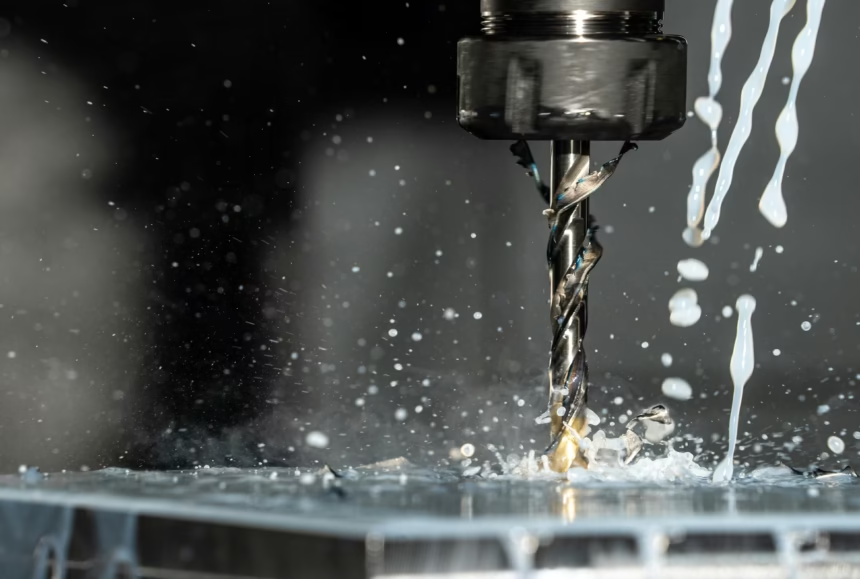
Product quality and design are not the only markers of a successful manufacturing setup. In fact, you can create excellent products, but if you experience a lot of material loss or downtime due to machine malfunction, it can still end up being much less economically viable. Machine productivity, reliability, and efficiency are just as important and, sometimes, they’re down to the choice use of a few components. Here, we’re going to look at a few of those components and how they might help.
Seals
High-quality seals are some of the most important components for preventing the invasion of dust, moisture, and debris, while also stopping you from losing unnecessary lubricant or hydraulic fluid, which can accelerate machine failure. Aside from ensuring that you’re able to fit quality seals when needed, you should also be more keenly aware of the signs that a seal is failing, checking routinely so that you’re able to replace them as quickly as possible. Make sure that you’re selecting seals designed for the specific operating temperature and pressure, as well, so that they don’t fail much sooner than they should.
Expansion Joints
Machines that go through rapid changes in operating or environmental temperature, as well as vibrations or movement, should be able to accommodate them without issue. Expansion joints can be vital for preventing stress from thermal expansion or other movement, which can otherwise lead to cracks, leaks, or misalignments. These joints absorb the movements, reducing the strain on their surrounding components and maintaining the overall integrity of the system. By dampening vibration and noise, they can also improve the stability of the whole operation.
Bellows
While some machine parts should be designed for harsh industrial environments, mitigating the impacts of things like dust, heat, and debris can help them maintain their longevity, as well. To that end, industrial bellows can work well when installed over parts that are otherwise exposed to a lot of dust, metal particles, coolant spray, or potential thermal damage. Finding the right industrial bellows supplier can ensure you find the right tool for the job, whether it’s to prevent debris buildup and contamination, to handle high-heat operations, or otherwise. Of course, bellows should be checked regularly for tears and fatigue to ensure they keep operating at their best.
Protective Covers
Shielding your machine’s moving parts protects not just your machines, but your operators, as well, especially in highly automated setups. They can protect the machine components from dust, debris, and accident impacts, preventing contamination and damage that can cause them to wear out prematurely. They also improve your workplace safety by stopping your workers from making accidental contact with moving parts. You should ensure that routine cleaning and inspection are in place to make sure that machine covers stay intact and properly aligned, as well.
Which of the above components might be best suited to your industrial operations will largely depend on your setup. However, the next time you’re designing or optimizing your manufacturing line, make machine longevity a key priority.


