If you’re aiming to get into the real estate market, then one of the most profitable ways of doing so is to develop new properties where they’re in demand. Spotting a growing market and being able to pin land to build on can offer rich opportunities for commercial, residential, or rental properties. However, to make the best of it, you need to know the path ahead and plan out every stage.
Nailing The Idea
First, you have to have an idea for a development, and work out how feasible it is. This can b done by studying market trends, demand in specific areas, as well as finding a site that you can build on in the first place. One important consideration is whether the land and property can legally support the intended use, with zoning and land-use regulations in mind.
Funding
When you have a viable project plan, you need to secure funding. Seek estimates, if possible, from designers and architects, then approach capital providers like banks or Alex Kleyner real estate investment firm ABK Capital. Often, funding is provided for the initial stages of construction to ensure that developers are able to hit construction milestones before permanent financing is provided. This helps lenders manage their funding risk while ensuring that developers are able to get started with the building process.
Design And Approvals
When you have the funding, then you need the minds that can put it all together. You should have already contacted architects like HKS to get an estimate, but now you have to work with them, and any necessary engineers, to outline the structure, systems, and appearance of the building. This needs to then be submitted to planning boards, zoning commissions, and city councils for approval. This can be a complex and time-consuming process, so you need to plan for the wait, too.
Construction
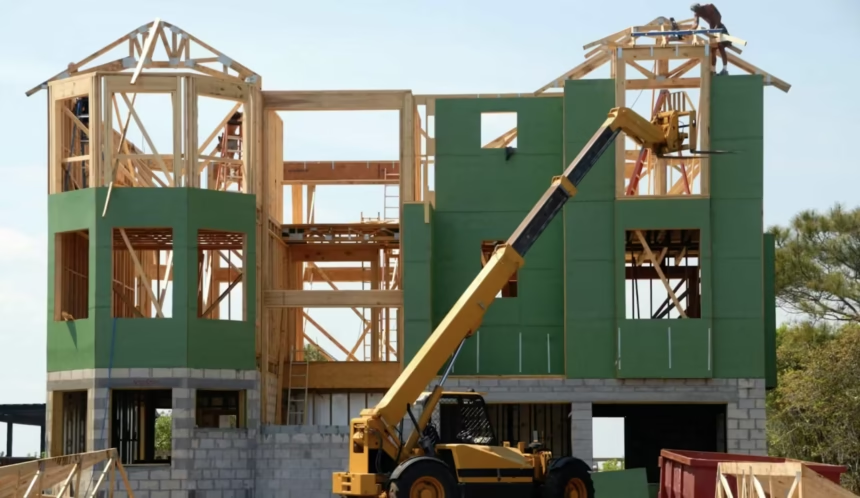
This is when the idea comes to life. Finding a general contractor to oversee the day-to-day building process, to manage subcontractors, and to ensure compliance with plans and safety regulations is key. Often, architects stay on site, as well, to make sure that contractors follow the plans whenever any decisions have to be made. Developers stay involved to manage unforeseen challenges and keep lenders up-to-date, too.
Completion
When the project is complete and receives he certificates to show that it’s ready for occupiers, it can then be used, leased, or sold. Whichever strategy developers choose depends on the nature of how the property generates profit. It can mean looking for tenants, or it can mean looking for buyers, a process that often starts before construction is complete. Of course, the means by which developers exit or transition into long-term ownership is typically worked out in the early stages of the project’s conceptualization.
Real estate is a market that is full of opportunities for success. But you need to know how to move in that market. Hopefully, the tips above give you a better idea, but plenty of individual research is needed to match the specifics of your corner of the market and specific aims.