UK asylum hotel closures 2026 have shot to the top of the political agenda, with the Labour government pushing hard to end a system that’s cost taxpayers billions and stirred up intense local debates. Picture this: just a few years ago, over 400 hotels across the country were housing tens of thousands of asylum seekers, racking up eye-watering daily bills—sometimes close to £9 million a day at peak times. Now, in early 2026, the numbers are dropping, and the Home Office is rolling out alternatives like never before.
Have you noticed the headlines about former military sites suddenly becoming temporary homes? That’s no coincidence. The drive to shut down asylum hotels ties directly into broader reforms aimed at cutting costs, speeding up claim processing, and easing pressure on communities. And one of the clearest examples right now? The opening of sites like the asylum seekers Crowborough army camp, which kicked off in January 2026 with the first arrivals and plans to scale up significantly.
Let’s break it all down so you can see the full picture—why the closures are happening, how fast they’re moving, the challenges involved, and what might come next.
The Promise: Ending Asylum Hotels by the End of the Parliament
Back in the 2024 manifesto, Labour committed to ending the use of hotels for asylum accommodation, saving taxpayers billions. Prime Minister Keir Starmer and Home Secretary Shabana Mahmood have repeated this pledge loud and clear. The official target? Close every asylum hotel by the end of this Parliament—around 2029.
But 2026 feels like the real turning point. In recent statements, Starmer has said he wants progress “brought forward” and that Brits should expect to see “evidence” of closures in the coming months. Mahmood has been even more direct: “I will bring forward site after site until every asylum hotel is closed and returned to local communities.”
Why the urgency in 2026? Numbers tell the story. From a high of around 56,000 people in hotels in 2023 (across over 400 sites), figures have fallen to fewer than 200 hotels in use by early 2026, with about 32,000–36,000 asylum seekers still accommodated this way at points in late 2025. That’s progress—but still a huge bill and plenty of community friction.
Why Were Asylum Hotels Used So Heavily in the First Place?
To understand the push for UK asylum hotel closures 2026, you have to look back. The asylum system faced massive backlogs—tens of thousands waiting years for decisions. International law requires the UK to provide accommodation and support to people while their claims are processed, especially if they arrive without means or via irregular routes like small boats.
Hotels became the quick fix because they were available and could be contracted fast. Private providers like Serco and Clearsprings stepped in, but costs spiraled. Critics called it unsustainable; supporters said it was necessary to meet legal duties. Either way, it created resentment in towns where hotels housed large groups, sometimes leading to protests or tensions.
The government argues that hotels sent the wrong signal—acting as a “pull factor” for irregular migration while draining public funds that could go elsewhere.
The Shift to Alternatives: Military Sites Take Center Stage
This is where things get interesting—and controversial. Instead of hotels, the focus has turned to “large sites” that the government can control more tightly. Former military bases offer existing infrastructure, perimeter security, on-site services, and the ability to house people in a more contained way.
The most high-profile example in 2026? The repurposing of sites like Crowborough Training Camp in East Sussex. The first 27 single adult men arrived there in January 2026, with capacity planned for over 500. Home Office messaging is clear: stays are short-term (up to three months), residents get screened rigorously, and there’s an on-site GP to reduce strain on local NHS services.
Other sites, like Cameron Barracks in Scotland, are part of the same wave. Shabana Mahmood has called Crowborough “just the start,” signaling more military or ex-military locations will follow. The idea is simple: move people out of scattered hotels into self-sufficient setups that speed up processing and cut per-person costs over time.
Of course, not everyone is on board. Charities worry about isolation, mental health impacts, and whether barracks-style living meets basic dignity standards. Local councils and residents often push back hard, citing traffic, services strain, and community feel.
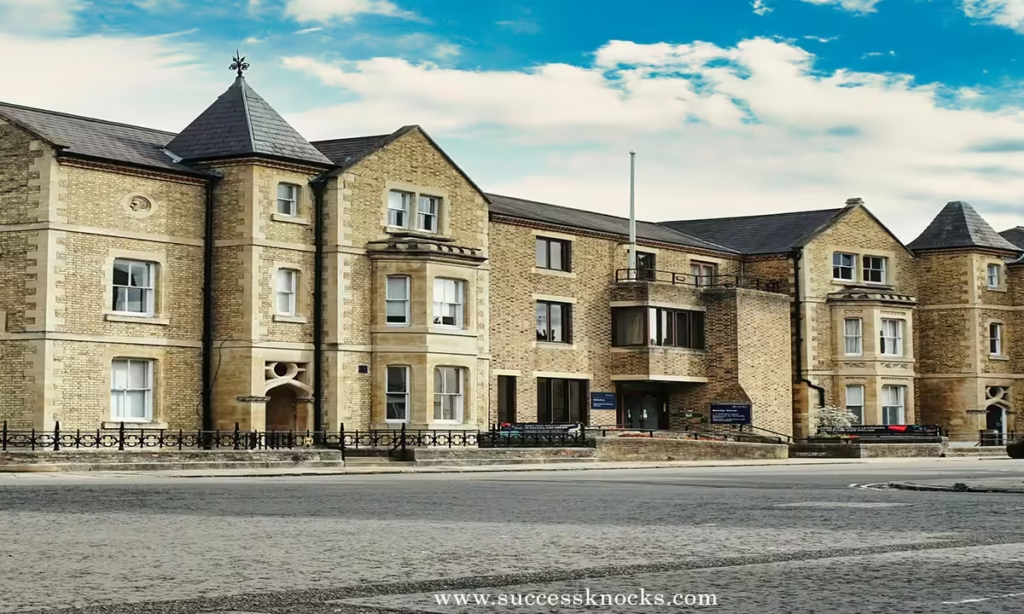
Progress So Far: Are UK Asylum Hotel Closures 2026 on Track?
Early signs suggest momentum. The Home Office reports spending in this area has already dropped by a third in some periods. Hotel numbers have declined steadily—from over 400 in 2023 peaks to under 200 now. Some contracts include break clauses that allow quicker exits if alternatives are ready.
2026 is shaping up as a surge year. The government promises a “big surge” in closures, tied to new large sites coming online. If military and modular options scale up successfully, more hotels could shutter faster than the 2029 deadline.
But challenges remain. Asylum claims keep coming, backlogs persist, and sudden hotel exits risk leaving people without support—something the law forbids. Critics, including groups like the Refugee Council, have suggested faster fixes, like one-off limited leave schemes for high-grant nationalities to clear backlogs and empty hotels quicker (potentially by March 2026 in optimistic scenarios).
Community Impacts and the Human Side
Let’s not forget the people at the center. Asylum seekers aren’t choosing hotels—they’re stuck there while waiting. Many face cramped conditions, poor food, or even safety fears from past protests. For locals, the sight of coaches arriving at hotels sparked real concerns about cohesion and resources.
Shifting to sites like the asylum seekers Crowborough army camp aims to address both sides: contain accommodation away from town centers, provide structured support, and free up hotels for regular guests. Whether it reduces tensions or creates new flashpoints depends on communication, security, and how fairly the system treats everyone involved.
What Could Slow Down or Speed Up the Closures?
Speed bumps include legal challenges (some councils explore options to block sites), contractor pushback on break clauses, and the sheer logistics of moving thousands. On the flip side, faster asylum processing, more returns of failed claims, and successful large-site rollouts could accelerate everything.
The government insists it’s restoring “order” to the system—deterring irregular arrivals while meeting obligations humanely.
Conclusion: A Major Turning Point for UK Asylum Policy
UK asylum hotel closures 2026 represent one of the biggest shifts in accommodation policy in years. The government is serious about ending hotel use, with military sites like the asylum seekers Crowborough army camp leading the charge as practical, cost-effective bridges toward that goal. Progress is visible—fewer hotels, lower spending in places—but the road to full closure by 2029 (or sooner) won’t be smooth.
It forces tough questions: How do we balance security, compassion, and taxpayer value? How can communities feel heard without turning vulnerable people into political footballs? If managed thoughtfully, this transition could mark a more controlled, efficient system. If not, divisions might deepen.
Stay tuned—2026 looks set to deliver real evidence of change. What do you think: is moving to military sites the right step, or should the focus be elsewhere?
Here are three high-authority external links for more reading:
- BBC News: First asylum seekers moved into Crowborough former military site
- GOV.UK Home Office statements on asylum accommodation reforms
- Full Fact: Tracker on asylum hotels and government progress
FAQs
When will all UK asylum hotels close?
The government targets the end of this Parliament (around 2029), but 2026 is a key year for acceleration, with Home Secretary Shabana Mahmood pushing for faster progress through large sites.
Why is the UK closing asylum hotels in 2026?
To slash massive costs (once £9m+ daily), reduce community pressures from scattered hotel use, deter irregular migration, and shift to more controlled accommodation like former military sites.
What alternatives are replacing asylum hotels?
Large-scale sites, especially former military bases. A prime example is the asylum seekers Crowborough army camp in East Sussex, now housing single adult men short-term while claims process.
How many asylum hotels are left in 2026?
Fewer than 200 as of early 2026 (down from over 400 peaks), with numbers continuing to fall as alternatives open and processing improves.
Are asylum seekers happy about moving out of hotels?
Many prefer stable, self-catering options over hotels, but concerns exist about isolation or conditions in large sites. The goal is shorter stays and better support overall.