Setting up a construction site can be a daunting task, whether it’s your first time or you’re an experienced builder. There are many things to consider, from permits and safety measures to materials and equipment. It can sometimes feel like there are a hundred different things that all need your attention at once. The good news is that if you take things one step at a time and get organised from the beginning, the whole process becomes a lot more manageable. In this article, we’ll provide you with everything you need to know when setting up a construction site.
Obtain Permits and Licences
Before you begin any construction work, it’s essential to obtain the necessary permits and licences from your local government. This typically includes building permits, zoning permits, and environmental permits. Failure to obtain these permits can result in fines, delays, and even legal action. It might be tempting to try and speed things along, especially if you’re eager to get started, but skipping this stage can create much bigger problems later. It’s always better to spend a little extra time getting everything approved properly before work begins.
Develop a Plan
Once you have the necessary permits, it’s time to develop a plan for the construction site. This includes creating a layout, determining the location of utilities, and deciding on the type of equipment needed for the project. It’s important to have a clear understanding of the project’s scope, timeline, and budget to ensure the project runs smoothly. Even the best planned projects run into the occasional problem, but having a plan in place makes it much easier to deal with those issues when they happen. Without one, it’s easy for costs and timelines to start creeping in the wrong direction.
Secure the Site
Before work begins, it’s essential to secure the construction site. This includes installing temporary fencing, setting up barricades, and securing entrances and exits. You may also need to hire security personnel to monitor the site and prevent unauthorised access. Construction sites often contain expensive equipment and materials, so security isn’t something you want to overlook. It also helps protect members of the public from entering an area that could potentially be dangerous.
Prepare the Site
Once the site is secure, it’s time to prepare the site for construction. This includes clearing any debris or vegetation, levelling the ground, and installing any necessary infrastructure such as drainage systems or underground utilities. Depending on the site, this stage can take longer than people expect. It might not be the most exciting part of the project, but it lays the groundwork for everything that follows. A properly prepared site can help prevent problems further down the line.
Organise Deliveries
One thing that’s easy to forget about is deliveries. Construction projects rely on a steady flow of materials arriving when they’re needed, and poor planning can cause unnecessary delays. If materials arrive too early, you may not have space to store them properly. If they arrive too late, work can come to a standstill while everyone waits. Taking a little time to organise deliveries can save a surprising amount of hassle throughout the project.
Set Up Equipment and Materials
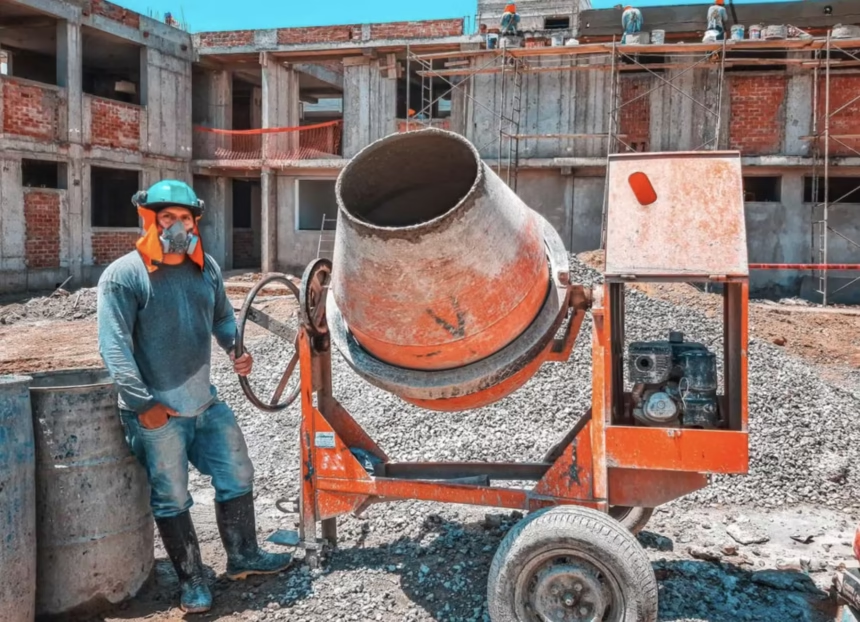
After preparing the site, it’s time to set up the equipment and materials needed for the project. This includes setting up scaffolding, cranes, and other heavy equipment. You’ll also need to order and store building materials such as lumber, concrete, and steel. Making sure everything is stored safely and in the right location can make daily work much easier. If your project requires specialist lifting equipment, working with a trusted Reid Lifting Distributor can help ensure you have access to the right equipment for the job. The last thing you want is delays caused by equipment issues that could have been avoided.
Ensure Safety
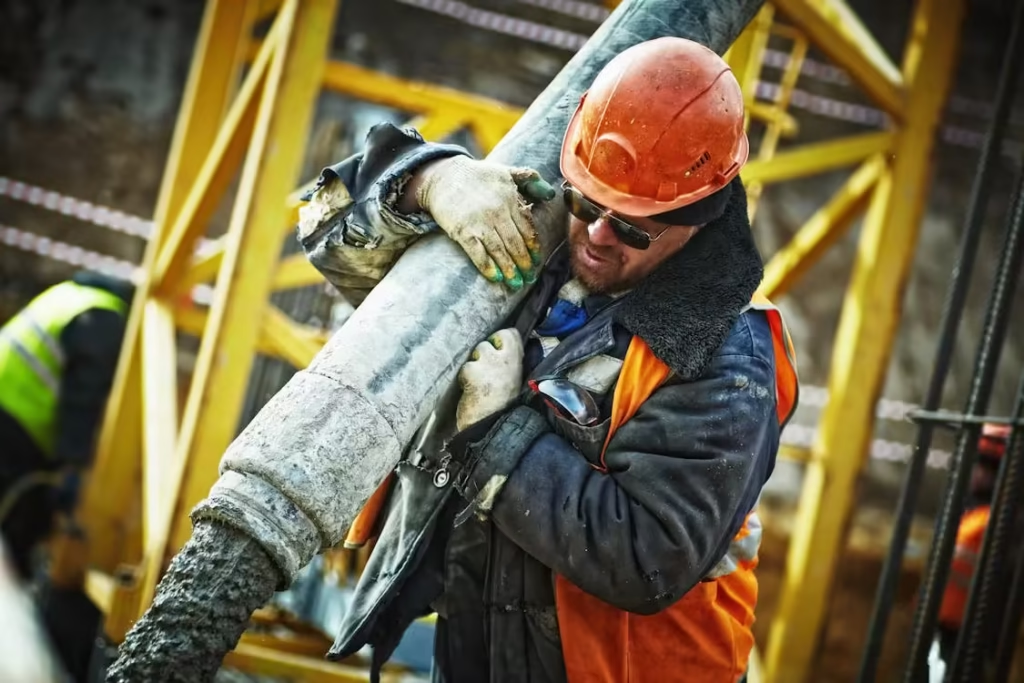
Construction site security should always be a priority. It’s essential to provide workers with the necessary safety equipment, including hard hats, safety glasses, and steel-toed boots. You’ll also need to implement safety measures such as fall protection systems, security guards for all of your valuable equipment, fire extinguishers, and first aid kits. Safety procedures should be clear from the start so that everyone understands what’s expected of them. Accidents can happen on any site, but taking the right precautions can help reduce the risks significantly.
Create Welfare Areas
It’s easy to focus entirely on the building work itself, but workers also need suitable facilities while they’re on site. This can include toilets, hand washing facilities, drinking water, and somewhere to take breaks. Providing these facilities helps keep workers comfortable and allows them to do their jobs properly. It’s one of those things that can sometimes be overlooked until somebody points out it’s missing.
Manage Waste
Construction sites generate a lot of waste, including debris, concrete, and hazardous materials. It’s important to have a plan for managing this waste, including hiring a waste management company or setting up a temporary waste disposal site on the construction site. If waste isn’t dealt with properly, it can quickly build up and create safety hazards. Keeping the site clean and organised also makes it easier for everyone to work efficiently throughout the project.
Monitor Progress
Once construction work begins, it’s important to keep an eye on progress. Projects don’t always go exactly as planned, and small issues can quickly turn into larger ones if they’re ignored for too long. Regularly checking timelines, budgets, and completed work helps ensure everything stays on track. It also gives you the opportunity to deal with problems before they start affecting the rest of the project.
Communicate with Stakeholders
Throughout the construction process, it’s essential to communicate with stakeholders such as neighbours, community leaders, and government officials. This includes providing regular updates on the project’s progress, addressing any concerns or complaints, and ensuring that the project complies with local regulations and building codes. Good communication can prevent misunderstandings and help keep everyone informed about what’s happening. It may not seem like a major part of construction, but it can make a big difference to how smoothly a project progresses.