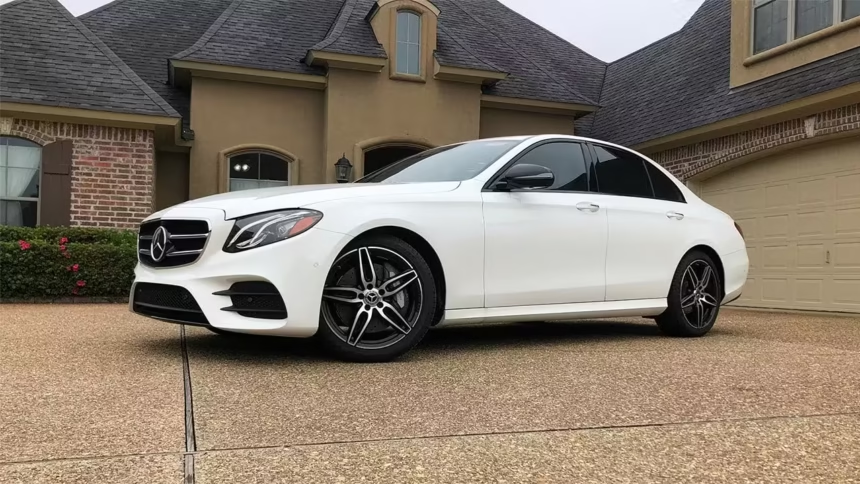
The Mercedes E350 develops five recurring mechanical problems: air suspension failures, engine oil leaks, transmission hesitation, fuel injector issues, and coolant system failures. These problems are well-documented across high-mileage examples and affect both ride quality and long-term reliability.
Atlanta is one of the busiest metropolitan hubs in the southeastern United States, known for its dense traffic, long highway commutes, and intense summer heat. These conditions can put additional stress on European luxury vehicles like the Mercedes E350. Many owners searching for Mercedes E350 service in Atlanta often encounter performance-related issues.
Choosing experienced technicians who understand the unique demands of Mercedes engineering can make a significant difference in maintaining reliability and preventing costly repairs down the line.
Here are the 5 common mechanical issues that affect Mercedes E350 performance:
1. Air Suspension Failures
The E350 uses Mercedes AIRMATIC air suspension, and the compressors and air struts are the first components to fail. The vehicle will ride noticeably lower on one side, bounce excessively, or display a suspension fault warning on the dashboard. Owners often notice the car sagging overnight when parked.
OEM air struts offer the most accurate fitment but carry a higher price tag. Quality aftermarket replacements restore ride comfort at a lower cost, making them a practical choice for older, high-mileage vehicles.
2. Engine Oil Leaks
Oil leaks on the E350 most commonly originate from the valve cover gasket, camshaft adjuster solenoids, and the oil filter housing. These leaks start small and are easy to overlook until oil levels drop significantly. A burning smell from the engine bay is usually the first noticeable symptom.
Common Warning Signs
- Oil spots beneath the parked vehicle
- Low oil level alerts on the instrument cluster
- Burning oil odor during or after driving
- Visible oily residue around the valve cover or oil filter area
Unaddressed oil leaks cause accelerated engine wear over time. A hands-on inspection at the first sign of leakage prevents more serious and expensive damage later.
3. Transmission Jerking or Hesitation
The 7G-Tronic automatic transmission in the E350 is prone to hard shifts, delayed engagement, and hesitation, particularly during cold starts or after extended mileage. Degraded transmission fluid and worn mechatronics units are the most frequent causes.
Mercedes originally rated the transmission fluid as a lifetime fill, but independent mechanics consistently recommend a fluid service every 40,000 miles. Skipping this interval is one of the leading causes of premature transmission wear on the E350.
4. Fuel Injector Problems
Fuel injector faults on the E350 typically produce a rough idle, cylinder-specific misfires, and a noticeable drop in fuel economy. Direct-injection engines are especially prone to carbon buildup on the intake valves, which disrupts fuel atomization and combustion efficiency.
Steps to Take
- Inspect fuel trims with an OBD-II scanner to identify injector imbalance
- Check for misfires on individual cylinders using live diagnostic data
- Service injectors with professional ultrasonic cleaning before replacing them
- Replace confirmed faulty injectors with OEM-equivalent units
- Test the engine idle and acceleration after the repair to confirm the fix
Walnut blasting the intake valves every 50,000 miles is a proven preventive step for direct-injection E350 engines.
5. Coolant System Failures
Plastic coolant expansion tanks and thermostat housings on the E350 crack with age, heat cycling, and pressure buildup. A slow coolant leak left unrepaired leads to overheating and eventual head gasket damage. The thermostat, water pump, and expansion tank should always be inspected together during coolant service.
Drivers researching Mercedes E350 service in Atlanta will find that coolant maintenance intervals apply consistently across the Mercedes range. A coolant flush every 30,000 miles is a straightforward preventive measure that protects the entire cooling system.
Key Takeaways
1. Air suspension compressor and strut failures are the most common E350 complaints on high-mileage vehicles.
2. Oil leaks from the valve cover gasket and camshaft solenoids should be addressed at the first sign.
3. Transmission fluid services every 40,000 miles reduce the risk of costly gearbox repairs.
4. Rough idle and misfires on the E350 are frequently traced to carbon-clogged fuel injectors.
5. Plastic coolant components crack over time and must be inspected regularly to prevent overheating.
6. Preventive maintenance across all five systems consistently lowers long-term repair costs.