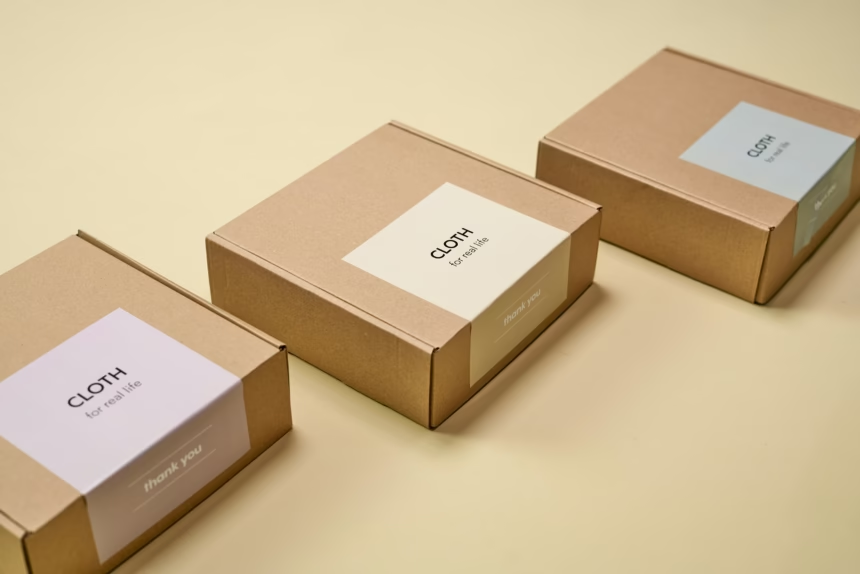
Packaging your product isn’t just a matter of sticking your brand name and logo on a cardboard box, taping it up, and then shipping it off. It’s your chance to tell your customers everything they need to know about your business.
And in modern marketing, customers want to know as much as possible! But seeing as you don’t want to overload your packaging with too much visual clutter, you need to be selective about what you print on the front.
So let’s make sure your packaging says everything you need it to without being too much or forgetting anything. Here are the design elements you need to incorporate.
What’s Inside
It might sound obvious, but so many business owners don’t quite get this right. Why? Because they’re not quite sure what their customers really want to know.
But we can simplify this for you. Customers usually want to know:
- What the product is
- What it can be used for
- How it was made
Another problem is the fact that many business owners are not fully aware of what their product packaging needs to say in order to comply with industry regulations.
This is commonly a problem in food and beverage businesses, where package labeling needs to list ingredients, potential allergens, and the correct dates and times of when food was prepared and packaged.
You need detail, so you can’t just put a simple ingredient list down the bottom as you don’t want it to detract from your logo!
How a Customer Can Get in Touch
This is another detail missing from a lot of product packaging. If a customer has a problem, where can they go to rectify it? And who do they call or email to find this solution?
You want your customers to know they have customer service on their side, as this is what builds the best kind of brand reputation.
And if your packaging says that straight out, it’s going to make a very good first impression for you.
Open Me!
This isn’t so much something you have to literally say, but you can focus on this element when you’re coming up with the overall packaging design.
Ultimately, you want customers to see your product packaging and want to find out what’s inside. How can you do that? By knowing what is most likely to catch their eye.
And that’s why you need to have a good understanding of your target customer here. What do they respond to, in terms of eye-catching visuals, textures, and information? What makes them want to check something out, whether it’s the color palette itself or something else?
Because whether or not they’re looking at it on the shelf, or it’s been delivered to their house and is waiting to be opened, the look should be as inviting as possible.
When you’re designing product packaging, make sure you hit the elements above. They’ll provide the most crucial information – and marketing – that your customers are really looking for.