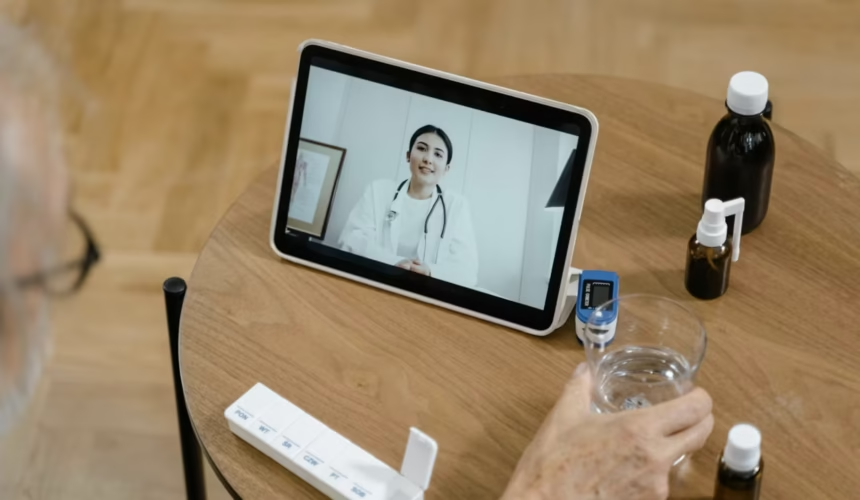
Telemedicine involves providing healthcare services from a remote location instead of face-to-face. While there are obvious limitations to telemedicine (you can’t perform surgery via a zoom call), there are times when telemedicine can actually have major advantages over in-person appointments – in some cases, even helping to save more lives.
What are some of the applications where telemedicine makes a difference? Below are a few key examples.
Virtual appointments for remote patients
For many people in rural or remote locations, seeing a specialist can mean hours of travel, missed work and high transport costs. Telemedicine removes a huge part of that burden by allowing patients to book virtual appointments to discuss symptoms, review test results or adjust treatment plans.
This can often encourage remote patients to seek help earlier instead of delaying care until symptoms become severe. It also makes it easier to manage chronic conditions like diabetes and heart disease through regular check-ins. On top of this, patients can be connected to specialists who they may never have access to locally.
By turning a long journey into a video call, telemedicine helps ensure that distance is no longer a barrier when getting advice or a diagnosis.
Reducing exposure to infectious diseases
Telemedicine can also help improve infection control. Vulnerable patients with weakened immune systems or chronic lung conditions often face real risks when visiting busy hospitals and clinics – especially during outbreaks of infectious diseases.
Virtual consultations can allow follow-up appointments, routine reviews and assessments to happen from the comfort of a patient’s home. This can reduce time spent in waiting rooms where viruses and bacteria can spread easily.
On top of this, doctors may be able to use virtual appointments to triage patients with infectious symptoms remotely and direct them to the safest care setting so that they don’t go to a general hospital when they might spread infection.
Faster emergency care with teleradiology
In emergencies, minutes matter. When someone arrives in the emergency department with a suspected stroke, internal bleeding or serious injury, CT and MRI imaging is often used. Teleradiology allows scans to be sent to any off-site radiologists who may be available, allowing them to report on them rapidly.
This is particularly lifesaving in smaller hospitals without 24/7 radiology staff. A teleradiologist can be sourced at any time of day or night to help provide critical decisions such as whether to give clot-busting drugs or send a patient immediately to surgery.
Teleradiology can also allow access to specialist radiologists (such as neuroradiologists) for complex cases. If on-site radiologists have a backlog of scans to interpret, teleradiology can also help to clear up this backlog so that test results aren’t delayed too long.
Life-saving impact in mental health
Mental health is another area where telemedicine has had a powerful and lifesaving effect. Many people find it easier to open up from the privacy of their own home rather than sitting in a therapist’s office or clinic. Telemental services help these people to feel more comfortable.
On top of this, telemental services can make therapy more accessible to people with mobility issues or those living in remote locations. People who are in crisis can also receive same-day or out-of-hours appointments, preventing conditions escalating to suicide risk.
Virtual therapy can always replace in-person therapy, but it is becoming an increasingly popular supplementary form of therapy.