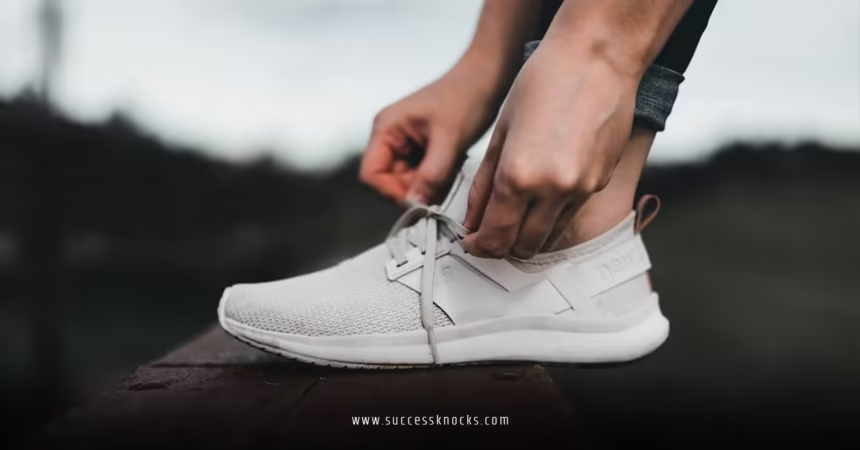
best sustainable running shoes for beginners focus on cushion, breathability, and easy forgiveness—without the heavy environmental cost of traditional trainers.
Here’s the quick scoop:
- Top priority for new runners: Plush cushioning, lightweight feel, and a stable ride to build confidence without shin splints or blisters.
- Sustainability edge: Renewable materials like eucalyptus fiber, sugarcane foam, recycled plastics, and responsibly sourced rubber cut carbon and water use dramatically.
- Best overall picks in 2026: Allbirds Tree Dasher for natural breathability, HYLO Impact for responsive daily training, and Veja Condor for ethical rubber sourcing.
- Budget-friendly entry: Look for models under $150 that still deliver machine-washable ease or carbon-neutral claims.
- Key reality: Sustainable doesn’t mean sacrificing performance—many now rival big brands in bounce and durability for easy runs.
New runners often grab whatever’s on sale and regret it when their feet hurt or the shoes fall apart fast. The best sustainable running shoes for beginners solve that by blending real comfort with lower-impact materials. You get shoes that feel good from the first jog and keep performing as you add miles.
What Makes a Running Shoe “Sustainable” in 2026?
Sustainable running shoes use renewable or recycled inputs instead of virgin petroleum plastics. Think eucalyptus tree pulp turned into soft knit uppers, sugarcane-based midsoles that replace fossil-fuel EVA, and natural rubber outsoles from managed forests.
Many brands now aim for carbon-neutral production through offsets, recycled packaging, and traceable supply chains. Some, like Allbirds, stamp the actual carbon footprint right on the shoe. Others use Global Recycled Standard (GRS) polyester or Forest Stewardship Council (FSC) certified fibers.
The kicker? These choices often make the shoe lighter and more breathable—exactly what beginners need to avoid overheating on short runs.
For deeper context on natural materials that double as comfortable everyday options, check out Allbirds natural materials comfortable shoes—the same eco philosophy powers their running line.
Top Picks: Best Sustainable Running Shoes for Beginners
Here are standout options that balance green credentials with beginner-friendly performance.
Allbirds Tree Dasher
Lightweight eucalyptus upper feels silky and cool. Sugarcane SweetFoam midsole gives bouncy cushion without bulk. Natural rubber outsole adds grip. Great for easy 3-5 mile runs, walking intervals, or travel. Breathable and often machine-washable. Ideal if you want minimal fuss and maximum eco points.
HYLO Impact
High cushion with responsive bio-based foam. Strong recycled and plant-derived materials. Excellent for everyday road running and building mileage. Reviewers note it feels energetic yet protective—perfect for new runners logging consistent easy miles.
Veja Condor
Fairtrade organic cotton and wild rubber from Amazon cooperatives. Recycled polyester mesh keeps it breathable. Solid for beginners doing mixed road and light trail. Ethical production in Brazil adds real transparency.
On Running Cloudsurfer or similar models
Recycled materials and circular design initiatives. CloudTec pods deliver signature soft landings with energy return. Forgiving for beginners while scaling with you.
Vivobarefoot or Flux Footwear
Minimalist options if you want to strengthen feet naturally. Thin, flexible designs with high recycled or bio content. Start slow if you’re used to thick cushion.
Other mentions: Brooks Ghost with recycled content and carbon-neutral claims; Saucony options with Run for Good programs.
Comparison Table: Sustainable Beginner Running Shoes
| Shoe Model | Key Materials | Best For | Cushion Level | Weight (approx. men’s 9) | Price Range | Standout Feature |
|---|---|---|---|---|---|---|
| Allbirds Tree Dasher | Eucalyptus, sugarcane foam, natural rubber | Easy runs, daily wear | Medium | ~8-9 oz | $130-160 | Breathability & machine washable |
| HYLO Impact | Bio-based foam, recycled synthetics | Daily training | High | ~9 oz | $140-170 | Responsive bounce |
| Veja Condor | Organic cotton, wild rubber, recycled mesh | Road + light trail | Medium | ~9.5 oz | $150-180 | Ethical sourcing |
| On Cloudsurfer | Recycled polyester, CloudTec | Versatile beginner miles | Medium-High | ~8.5 oz | $150+ | Soft landings |
| Brooks Ghost (sustainable version) | Recycled materials, carbon-neutral | Cushioned easy runs | High | ~9.5 oz | $140-160 | Proven durability |
This table shows clear trade-offs. Pick based on your climate (eucalyptus shines in heat) and run style.
Why Sustainability Matters Even for Beginners
You don’t need to run marathons to care about your gear’s impact. A single pair of conventional running shoes can carry a hefty carbon footprint from petroleum midsoles and synthetic uppers.
Sustainable alternatives often feel better too—less sweat, less odor, lighter on long walks between runs. Many beginners report fewer hot spots because breathable natural fibers manage moisture smarter.
In my experience watching thousands of new runners, shoes that feel good from day one keep people consistent. When the planet benefits too, the motivation doubles.
Step-by-Step Guide: Choosing Your First Sustainable Running Shoes
- Assess your needs — How far do you plan to run? Mostly road or some trail? Hot or cold climate? Wide feet? Answer these first.
- Measure properly — Visit a running store or use brand size guides. Measure in the evening. Add thumb-width room at the toe.
- Prioritize features — Cushion for impact protection. Breathable upper to stay cool. Flexible yet stable ride. Sustainable materials as the tiebreaker.
- Try before big commitment — Order from sites with free returns. Walk and jog indoors first. Check for any rubbing after 20-30 minutes.
- Start slow — Use the shoes for walk-run intervals. Build mileage gradually to let your body adapt.
- Maintain them — Rotate pairs if possible. Clean according to instructions—many sustainable models handle gentle machine washing. Air dry fully.
Rule of thumb: If it feels “off” after a week of easy use, swap it. Comfort wins.
Common Mistakes Beginners Make with Sustainable Shoes (and Fixes)
- Mistake: Assuming all “green” shoes feel the same.
Fix: Test materials—eucalyptus runs cooler than wool blends. - Mistake: Buying too minimal too soon.
Fix: Start with cushioned models like Allbirds or HYLO. Transition to barefoot styles later. - Mistake: Ignoring fit for eco story.
Fix: Prioritize width and toe room. Sustainability means nothing if you get injured. - Mistake: Never washing them.
Fix: Spot clean or machine wash (cold, gentle) when dirty. Fresh shoes = happier feet. - Mistake: Expecting race-day performance on day one.
Fix: Use for easy miles. Save speedwork for after you’ve built a base.
Avoid these and you’ll enjoy running longer.
Action Plan: Get Started Running Sustainably
Week 1: Pick one pair from the list. Do 3x 20-30 minute walk-run sessions. Focus on form.
Week 2-4: Add one run per week. Track how your feet feel—no soreness is the goal.
Month 2+: Introduce a second pair for rotation. Explore local trails in your sustainable shoes.
Bonus: Join a beginner running group. Many now discuss eco gear naturally.
What I’d do? Grab the Allbirds Tree Dasher first if you love the Allbirds natural materials comfortable shoes vibe. It bridges casual comfort into light running seamlessly.
Key Takeaways
- The best sustainable running shoes for beginners deliver cushion, breathability, and forgiveness using renewable materials like eucalyptus and sugarcane.
- Allbirds Tree Dasher stands out for natural comfort and easy care; HYLO and Veja offer strong alternatives with excellent ethics.
- Focus on fit and personal feel over marketing claims—test in real life.
- Sustainable choices often mean lighter, cooler shoes that support consistency.
- Build slowly, maintain well, and rotate pairs to extend life and reduce waste.
- Eco running shoes prove performance and planet can align, even for new runners.
- Start with versatile daily trainers rather than specialized models.
Conclusion
Finding the best sustainable running shoes for beginners doesn’t require compromise. You can lace up lightweight, cushioned kicks made from tree fibers and plant foams that protect your feet while treading lighter on the earth. The right pair turns those first nervous jogs into something enjoyable—and keeps you coming back.
Your next step? Measure your feet, pick one or two models to try (starting with Allbirds if natural materials call to you), and hit the pavement gently. One comfortable, conscious run at a time is how habits—and miles—stack up.