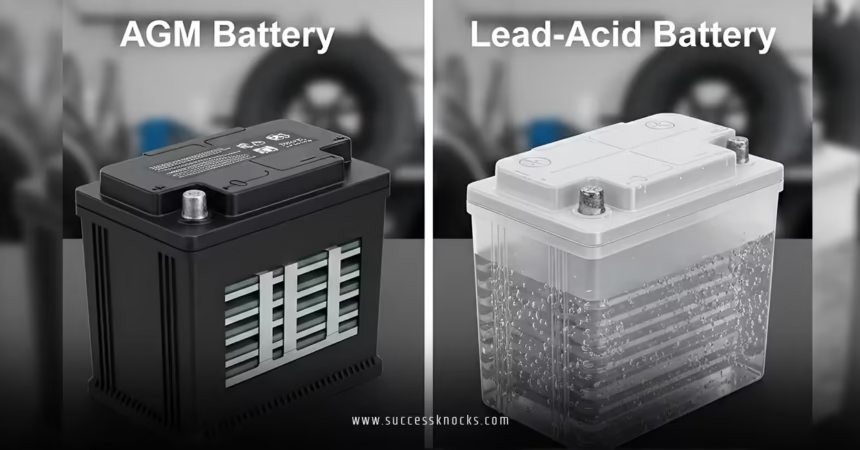
AGM battery vs lead acid comparison is one of the most important decisions you’ll make when selecting power storage for your vehicle, boat, or backup system. Both technologies have dominated the market for decades, but they serve different purposes and excel in different scenarios.
Quick Overview: What You Need to Know
- AGM (Absorbent Glass Mat) batteries use fiberglass mats to absorb electrolyte, making them spill-proof and maintenance-free
- Traditional lead acid batteries use liquid electrolyte and require regular maintenance but cost significantly less upfront
- AGM batteries last 2-3 times longer and perform better in extreme temperatures
- Lead acid batteries are cheaper initially but cost more over time due to replacement frequency
- Your choice depends on budget, maintenance preferences, and performance requirements
What Are AGM and Lead Acid Batteries?
AGM Battery Technology
AGM stands for Absorbent Glass Mat. Think of it like a high-tech sponge system. Instead of sloshing liquid electrolyte around, AGM batteries trap the electrolyte in ultra-fine fiberglass mats between the lead plates. This creates a sealed, spill-proof unit that can handle rough treatment.
The fiberglass mats hold the electrolyte like a sponge holds water. No spillage. No maintenance. No fuss.
Traditional Lead Acid Batteries
Standard lead acid batteries are the granddaddies of automotive power. They’ve been around since the 1850s and use the same basic principle: lead plates submerged in liquid sulfuric acid electrolyte. When you pop the hood of most cars, you’re looking at this tried-and-true technology.
The liquid electrolyte can slosh around, which means these batteries need to stay upright and require periodic water additions to replace what evaporates over time.
AGM Battery vs Lead Acid: Head-to-Head Comparison
| Feature | AGM Battery | Lead Acid Battery |
|---|---|---|
| Initial Cost | $150-$400 | $50-$150 |
| Lifespan | 4-7 years | 2-4 years |
| Maintenance | None required | Monthly water checks |
| Vibration Resistance | Excellent | Poor to moderate |
| Temperature Performance | -40°F to 140°F | 20°F to 100°F |
| Charging Speed | 3-5 times faster | Standard rate |
| Depth of Discharge | Up to 80% | Maximum 50% |
Performance Differences That Matter
Temperature Tolerance: AGM batteries laugh at weather extremes. I’ve seen them start trucks in -20°F weather when lead acid batteries gave up. The sealed design and absorbed electrolyte prevent freezing and overheating issues that plague traditional batteries.
Vibration Resistance: Here’s where AGM batteries really shine. The absorbed electrolyte can’t slosh around and damage internal components. If you’re running equipment with heavy vibration—generators, marine applications, or off-road vehicles—AGM wins hands down.
Charging Characteristics: AGM batteries accept charge up to five times faster than flooded lead acid. This matters if you’re using solar panels, alternators with limited run time, or need quick turnaround between uses.
Maintenance: The Real-World Factor
AGM Battery Maintenance
Zero. Zip. Nada.
You install an AGM battery and forget about it until replacement time. No water to add, no corrosion to clean (usually), and no specific positioning requirements.
Lead Acid Battery Maintenance
Monthly water level checks are mandatory. Distilled water only—tap water will kill the battery with mineral buildup. You’ll also need to:
- Clean terminal corrosion every few months
- Check specific gravity with a hydrometer
- Ensure proper ventilation (these batteries emit hydrogen gas)
- Keep them upright at all times
Skip the maintenance, and you’ll be buying a new battery sooner than expected.
Cost Analysis: Upfront vs Long-Term
Initial Investment
Lead acid batteries win the sticker shock competition. A decent automotive lead acid battery runs $75-$125, while AGM equivalents cost $200-$350.
But here’s the kicker: you’re not buying just one battery over your vehicle’s lifetime.
Total Cost of Ownership
Let’s do the math on a typical scenario:
Lead Acid Path (10-year period):
- Initial battery: $100
- Replacement at year 3: $100
- Replacement at year 6: $100
- Replacement at year 9: $100
- Total: $400
AGM Path (10-year period):
- Initial battery: $250
- Replacement at year 6: $250
- Total: $500
The difference? $100 over a decade for significantly better performance and zero maintenance hassles.
Application-Specific Recommendations
When to Choose AGM Batteries
Marine Applications: The vibration resistance and sealed design make AGM batteries perfect for boats. No acid spills in your cabin, and they handle the constant movement without internal damage.
Solar Power Systems: AGM batteries charge faster and handle deeper discharge cycles. They’re ideal for off-grid setups where every amp-hour counts.
Performance Vehicles: High-end cars with multiple electrical systems benefit from AGM’s stable power delivery and vibration resistance.
RVs and Motorhomes: The maintenance-free operation and ability to mount in any position make AGMs perfect for recreational vehicles.
When Lead Acid Still Makes Sense
Budget-Conscious Daily Drivers: If you’re driving a 15-year-old sedan and replacing batteries every 3-4 years doesn’t bother you, lead acid keeps costs down.
Fleet Vehicles: Large fleets often have dedicated maintenance teams that can handle the upkeep, making lead acid’s lower initial cost attractive.
Emergency Backup Only: If the battery sits unused for months at a time (emergency generators, backup sump pumps), the performance advantages of AGM might not justify the cost.
Common Mistakes to Avoid
AGM Battery Mistakes
Overcharging: AGM batteries are sensitive to charging voltage. Using the wrong charger setting can destroy them quickly. Always use AGM-specific charging profiles.
Mixing Battery Types: Never mix AGM and lead acid batteries in the same system. Their different charging characteristics will damage both types.
Lead Acid Mistakes
Ignoring Water Levels: Low electrolyte levels expose the lead plates to air, causing permanent sulfation damage.
Using Tap Water: Minerals in tap water create deposits that reduce capacity and shorten life. Distilled water only.
Deep Discharging: Taking a lead acid battery below 50% charge repeatedly will kill it fast. AGMs can handle 80% discharge regularly.
Step-by-Step Decision Process
1. Assess Your Usage Pattern
Ask yourself:
- How often do I use this equipment?
- Is maintenance convenient for my situation?
- Do I need deep-cycle capability?
2. Calculate Your Budget
Consider both upfront and replacement costs over 5-10 years. Factor in your time value for maintenance tasks.
3. Evaluate Environmental Factors
- Temperature extremes in your area
- Vibration levels in the application
- Space constraints and mounting position
4. Match Technology to Need
Choose AGM if: You want set-and-forget operation, face extreme conditions, or need maximum performance.
Choose Lead Acid if: Initial cost is paramount, you don’t mind maintenance, and usage is light to moderate.
5. Size Properly
Both technologies come in various capacities. Match the amp-hour rating to your actual needs—oversizing wastes money and undersizing causes premature failure.
Key Takeaways
- AGM batteries cost more upfront but last longer and require zero maintenance
- Lead acid batteries remain the budget choice but demand regular care
- Temperature extremes and vibration favor AGM technology significantly
- Deep cycling applications strongly benefit from AGM’s discharge tolerance
- Total cost of ownership often favors AGM over a 5-10 year period
- Application matters more than technology—match the battery to your actual needs
- Proper charging is critical for both types but especially AGM batteries
- Maintenance neglect kills lead acid batteries faster than any other factor
Advanced Considerations for 2026
Battery technology keeps evolving. AGM manufacturers have improved cold-cranking performance while reducing internal resistance. Some newer AGM batteries now offer lithium iron phosphate battery advantages without the complexity.
Lead acid hasn’t stood still either. Enhanced flooded batteries with improved electrolyte formulations last longer and resist sulfation better than older designs.
The key is matching your specific needs to the technology that delivers the best value over your ownership period.
Climate considerations are becoming more important as weather patterns shift. If you’re in an area experiencing more temperature extremes, AGM’s wider operating range provides insurance against unexpected conditions.
Conclusion
The AGM battery vs lead acid decision boils down to your priorities: immediate cost savings or long-term value and convenience. AGM batteries deliver superior performance, longer life, and zero maintenance at a higher upfront cost. Lead acid batteries keep initial expenses low but require ongoing attention and more frequent replacement.
For most applications where the budget allows, AGM technology provides better overall value. The maintenance freedom alone is worth the price difference for many users.
Your next step? Honestly assess your usage patterns, maintenance preferences, and budget timeline. Then choose the technology that fits your real-world situation—not just the lowest sticker price.
The best battery is the one that meets your needs without breaking your budget or causing headaches down the road.
Frequently Asked Questions
Q: Can I replace a lead acid battery with an AGM battery in my car?
A: Yes, AGM batteries are typically drop-in replacements for lead acid batteries. Just ensure your charging system can handle AGM requirements, and consider updating your charger settings if available.
Q: How long do AGM batteries last compared to lead acid batteries?
A: AGM batteries typically last 4-7 years versus 2-4 years for lead acid batteries under similar conditions. The sealed design and better construction contribute to the longer lifespan.
Q: Do AGM battery vs lead acid batteries require different charging methods?
A: Yes, AGM batteries need lower charging voltages and can accept faster charge rates. Using lead acid charger settings on AGM batteries can cause overcharging and damage.
Q: Which battery type works better in cold weather?
A: AGM batteries perform significantly better in cold temperatures, maintaining capacity and starting power down to -40°F versus lead acid’s practical limit around 20°F.
Q: Are AGM batteries worth the extra cost for a daily driver vehicle?
A: If you plan to keep your vehicle for more than 4-5 years and value maintenance-free operation, AGM batteries typically provide better long-term value despite higher initial cost.