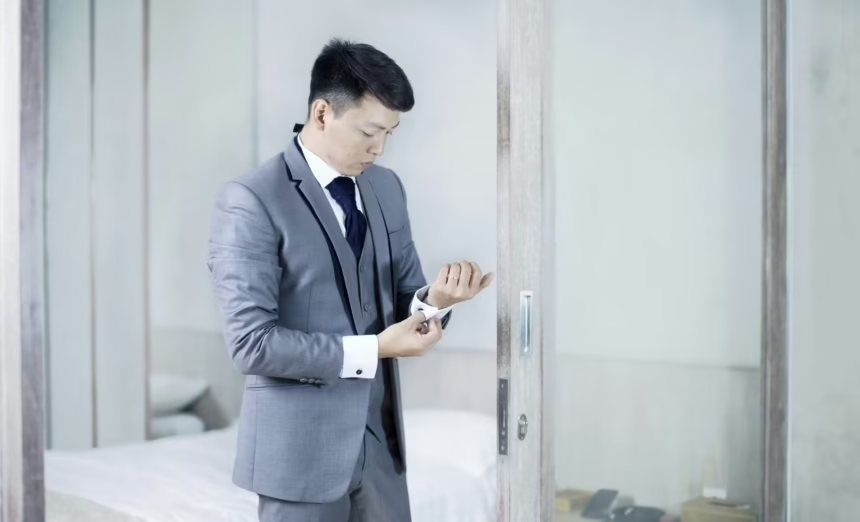
Preparation for an interview includes tasks beyond choosing garments or rehearsing responses. A person’s physical presentation is a major component of an initial assessment. Recruiters observe hygiene and specific grooming habits at the start of a conversation. Candidates who follow a set schedule are likely to seem orderly and ready for a workplace.
Establishing a regimen is possible without expensive items or difficult procedures. Regular habits are frequently more beneficial than immediate modifications. Job seekers are able to maintain a tidy look – prioritizing cleanliness, skin health, hair maintenance, attire plus fragrance.
Daily Hygiene Habits
Job seekers obtain positive outcomes when they practice personal care for multiple days preceding an interview. Individuals appear professional when they bathe daily, maintain short and clean fingernails and have neutral breath. Employers are likely to describe a candidate as a person who manages their obligations well when these habits are visible. Interviews involve these assessments even if the participants do not talk about them.
Clean teeth and gums are necessary because participants in an interview speak near one another. Breath is fresh when a person uses dental floss but also oral rinse. When skin is clean and hydrated, a candidate appears healthy as well as feels relaxed during conversations with managers.
Hair And Facial Care
Hair is most professional when it is clean and neat – Scheduling a haircut multiple days before the appointment allows the style to look natural. Avoiding a new style immediately before an interview is helpful because unexpected results can lower confidence.
Facial hair is professional when it is even as well as clean – Shaving requires care to avoid skin irritation. Using a mild moisturizer after shaving reduces redness and helps maintain a neat appearance during the day.
Skincare Preparation
Skin that looks healthy can improve a presentation and lower signs of tiredness. A routine of washing or moisturizing helps maintain a refreshed look. Drinking water and resting well also support the condition of the skin.
New or harsh skincare treatments are risky before an interview. Strong chemicals or unfamiliar creams may cause irritation. It is better to use an even routine that keeps the skin balanced. Consistent efforts provide better results than hurried solutions.
Clothing And Presentation
Grooming includes the preparation of clothes – Interview clothing is best when it is clean and has no wrinkles or stains. Shoes are also important next to should be in good condition.
Accessories are most appropriate when they are simple – Bright jewelry or bold styling can be a distraction. Selecting neutral clothing allows employers to focus on qualifications and communication skills.
Fragrance And Personal Products
Individuals are encouraged to apply scents with caution in workplace environments. While a subtle fragrance helps maintain an image of cleanliness, a powerful odor is often a source of distraction in confined workspaces. Workers are able to finish their grooming routines – applying a minimal amount of mens cologne – this practice is effective because it ensures the scent is not excessive for others.
Subtle products are often the best choice for formal meetings. Many candidates use a cologne for men that is not strong. Hair products and lotions should not create a scent that is too powerful for the environment.
Grooming On Interview Day
The routine for the day of the interview is better when it starts early. Extra time for showering, dressing plus styling reduces stress. Rushed preparation makes it more likely that a person will forget details like untidy hair or wrinkled clothes.
A final check is useful before entering the building – Checking hair and clothing helps create a sense of readiness. Carrying a comb or breath mints can help a person stay neat during a long schedule.
Building Long Term Grooming Habits
Professional grooming is useful beyond a single interview – Regular habits improve confidence for networking and daily work. Maintaining the routines reduces the pressure of preparing for important events at the last minute.
Long-term habits are easier to maintain when they are realistic. Simple practices like regular haircuts but also skin care create a foundation for a professional image – these habits strengthen confidence in many different work situations.