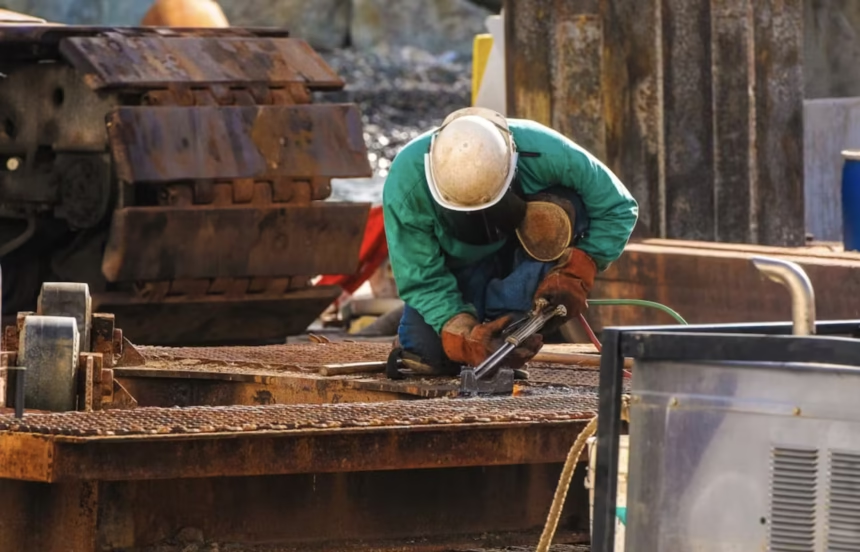
A career in construction can be a productive and lucrative one, but it’s also easy to find yourself stuck doing basic labor for years on end if you don’t find a way to keep building upon the skills that you already have. If you intend to keep working in construction, then it’s best to think about what you can do to open up new and more specialized paths within the industry, and here, we’re going to look at some of the skills that can help you pave those ways.
Technical Trade Expertise
One of the most reliable ways to increase your earning potential in construction is to become highly skilled in a specific trade. Carpenters, electricians, plumbers, HVAC technicians, welders, masons, and heavy equipment operators often earn more as they get more experience and prove that they’re able to finish their work accurately and efficiently. Employers value workers who are able to provide specialist labor that others aren’t able to, and are able to solve problems in their own field on their own, without needing constant supervision. From there, you can go on to work as a contractor or even start your own business with your expertise as a base.
Blueprint Reading And Planning
Being able to fully understand blueprints, drawings, and project specifications can make you a much more valuable worker than those who have to work directly from verbal instructions. Following the accuracy of those plans can be vital, and mistakes can be expensive, so workers who are able to understand them and how they apply to real-life measurements, elevations, layouts, and material requirements can often find themselves playing more senior roles in construction teams, preventing errors before they happen. This can make them more likely to be chosen as foremen, supervisors, or even project managers. When you can interpret plans confidently, you become more useful during planning, layout, installation, and quality control. It also shows employers that you understand the bigger picture of a project, not just your individual task.
Safety-Focused Skills
Skills that can help make for a safer construction environment and, after that, safer buildings, can be very valuable indeed. Aside from being able to prevent injuries, recognize hazards, and follow regulations, employers are often looking for those who are able to deal with and mitigate existing hazardous materials. For instance, when you’re demolishing or renovating a space, bringing asbestos training can make you the go-to authority on how to handle that risk, which can result in a bigger paycheck. Training to recognize and handle other hazardous materials like lead, mold, silica dust, and the like not only helps you become a more important part of the team, but it also helps you contribute to safer construction projects across the whole team.
Equipment Operation
The vast majority of construction projects go a lot easier with the help of the right equipment at some point or another, and those who are trained to operate them can make more as a result. Skilled operators are needed for excavators, bulldozers, forklifts, cranes, skid steers, backhoes, lifts, and other machinery. These roles require technical control, safety awareness, spatial judgment, and knowledge of job-site conditions. The work is demanding, requires specialist knowledge, and comes with a degree of added danger, as well as typically being vital to a project, so the skills are highly valuable and often treated as such. Earning your certification or licenses for construction vehicles can open up the way to plenty of better jobs, and there are many who become full-time operators for that reason.
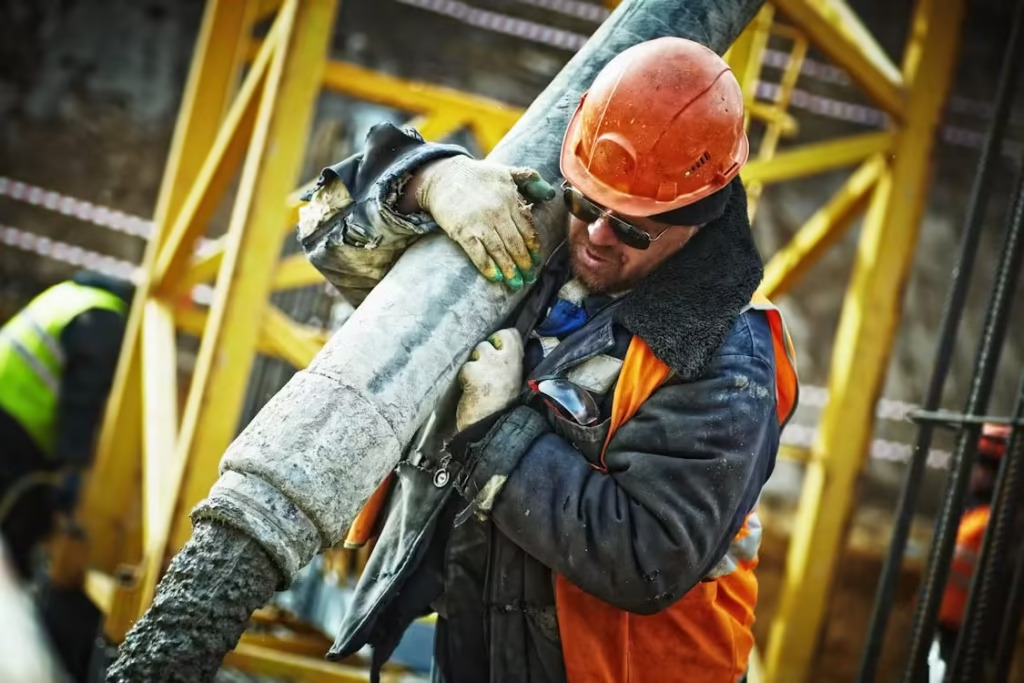
Project Management And Scheduling
If you intend to work your way up within construction crews, moving away from working directly on the site, then project management and scheduling skills are one of the best ways to ensure that you don’t have to do labor-based roles for the rest of your career. Being able to manage a schedule, coordinate team members and subcontractors, track materials, document progress, and solve problems as they come up could see you moving into higher-paying leadership positions. Of course, besides demanding those extra skills of you, leadership positions also require taking a lot more responsibility for the success of a project, so you must be comfortable with that, too.
Communication And Leadership
The practical skills of being able to look over a project and assign labor, assets, and time as the project needs them aren’t all that it takes to become a leadership figure on construction sites. If you have strong communication skills, it can have more of an impact on your earnings than you might think. After all, construction sites involve al ot of people, and effective communication with them helps prevent delays, improve safety, and avoid costly mistakes. Those who can explain instructions and expectations well, ask the right questions, and remember important details make for good leaders. Just as important is the ability to motivate workers, manage conflicts, and keep production on track at the head of the team.
Estimating And Business Skills
Estimating and business skills can help construction professionals earn more by preparing them for supervisory, freelance, or ownership opportunities. Estimating involves calculating labor, materials, equipment, timelines, and project costs. Workers who show some understanding of pricing and budgets can help companies win better jobs and avoid losses, making them a valuable member of the senior team. If you plan to run your own business at some point or to grow into a leadership position, then you might also want ot invest some time in learning leadership skills like invoicing, customer service, contract basics, marketing, and recordkeeping, over time. For a lot of senior tradespeople, their income begins to depend on their professionalism across the business, not just the work they do.
Whether you intend to become a dependable long-term member of a construction crew, a specialized contractor who works with many, or even to own your own construction business, it’s worth taking the time to develop some of the skills above. Whatever your plans, they can open the gate to new opportunities and better pay.