Living off-grid can be an incredibly rewarding choice. Whether you’re seeking greater self-sufficiency, lower utility bills, a reduced environmental footprint, or simply a quieter way of life, disconnecting from traditional infrastructure offers many benefits. However, an off-grid lifestyle also comes with unique challenges that require careful planning and ongoing management.
Reliable Power Generation
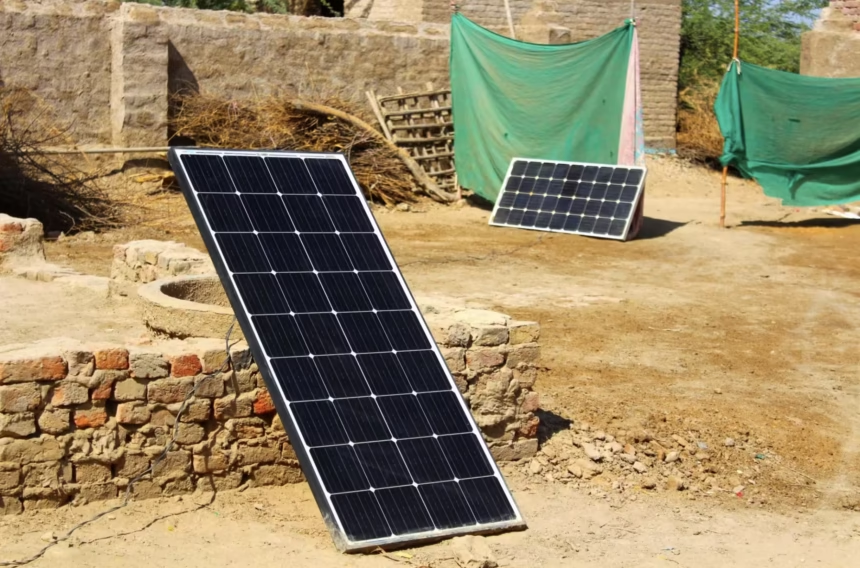
One of the biggest concerns for anyone living off-grid is maintaining a dependable power supply. Solar panels have become the most popular solution, often supported by battery storage systems that provide electricity during the night or on cloudy days. However, seasonal weather variations can significantly affect energy production. Many off-grid homeowners invest in backup generators to ensure they can continue powering essential appliances during periods of low renewable energy generation.
Water Supply and Quality
Access to clean water is another major consideration. Off-grid properties often rely on wells, boreholes, rainwater harvesting systems, or nearby natural water sources. While obtaining water may be straightforward, ensuring it is safe for consumption can be more complicated. For properties located near former mining areas, specialist mine water treatment solutions can play an important role. These systems help remove contaminants and improve water quality, ensuring that water sourced from affected areas is suitable for domestic use. Investing in appropriate treatment technology is essential for protecting both health and equipment.

Heating and Cooling Challenges
Maintaining a comfortable indoor temperature can be more difficult when you’re not connected to conventional energy networks. Wood-burning stoves, heat pumps, and passive solar design techniques are frequently used to regulate temperatures throughout the year. Proper insulation is particularly important, helping reduce energy consumption and improve comfort regardless of the season.
Connectivity and Communication
Many people move off-grid to escape modern distractions, but complete disconnection is rarely practical. Reliable internet and mobile phone coverage can be limited in remote locations. Satellite internet services have improved considerably in recent years, offering a viable solution for remote workers and those who still need access to online services.
Food Production and Storage
Growing your own food can be a key part of an off-grid lifestyle, but it requires time, knowledge, and commitment. Vegetable gardens, greenhouses, and small livestock operations can improve self-sufficiency, though they also introduce additional responsibilities. Food storage becomes especially important when shopping trips are infrequent, making efficient refrigeration and preservation methods essential.
Financial Considerations
Although living off-grid can reduce monthly utility bills, the initial setup costs can be substantial. Solar arrays, battery banks, water systems, and property modifications require significant investment. Prospective off-grid homeowners should carefully budget for both installation and long-term maintenance expenses.
Finding the Right Balance
An off-grid lifestyle offers independence and resilience, but it also demands preparation and responsibility. By understanding potential challenges related to power, water, waste, connectivity, and maintenance, homeowners can create systems that support a comfortable and sustainable way of life. With proper planning and realistic expectations, off-grid living can provide a rewarding alternative to conventional modern life.