Learning about inspection procedures before a lease ends is a useful step for people who are moving out of an apartment – these rules show how a landlord evaluates a property, what state the unit must be in and if the landlord will keep any part of the security deposit. Many tenants do not look at these details and experience unexpected costs or disagreements after they leave. Residents who know how inspections work can prepare the space correctly, lower their financial risks and finish the moving process with fewer problems.
Purpose Of Inspection Procedures
Inspection procedures exist so a landlord can check the state of a rental unit at the end of a lease. Property owners use these checks to compare the current state of the apartment with how it looked when the tenant moved in – this process helps determine if the apartment shows signs of regular use or if there are damages that require extra payment for repairs or cleaning. Tenants who know the standards are more ready to meet requirements and avoid costs that are not necessary.
Residents often see that inspection standards are different in various buildings when they look at for rent Calgary. Some properties have strict rules while others are more relaxed. Knowing these details early allows a person to choose a home that matches their own habits and level of responsibility.
Recognizing Landlord Expectations
A landlord usually expects a unit to be clean, well maintained and in good overall condition – these expectations are often in the lease agreement but tenants do not always understand them clearly. Knowing what a landlord looks for helps a tenant prepare the living space more successfully before they move out.
Understanding these requirements also makes it less likely that the two parties will disagree during the inspection. Tenants who know about common requirements, like the state of appliances or marks on walls, can fix the issues early – this knowledge helps make the move out experience more predictable and clear.
Reviewing Apartment Condition
A tenant begins the inspection process – observing the condition of the apartment. It is helpful for residents to visit each room to identify locations that require maintenance. Minor issues like discolorations, surface scratches or damaged fixtures are likely to affect the final assessment if they remain unaddressed. Prompt repairs or cleaning ensure the property is ready before the formal evaluation occurs.
This step also helps a person manage their time while they move. They can prepare the unit slowly while they pack their items instead of rushing at the end – this method makes the moving process less difficult and improves the final state of the apartment.
Handling Minor Repairs
Individuals who rent a property can avoid security deposit deductions – fixing small problems before the final inspection. Maintenance tasks, like filling small wall holes or securing loose handles, are generally the responsibility of the tenant. By performing these repairs, the tenant shows that they look after the home, which often leads to a favorable report.
Landlords or tenants occasionally hire specialists for complicated work, especially if the lease states that this is necessary. All parties benefit when the residence is tidy and everything works properly – this state is helpful because it minimizes disputes and makes the assessment process easy for everyone involved.
Understanding Walkthrough Procedures
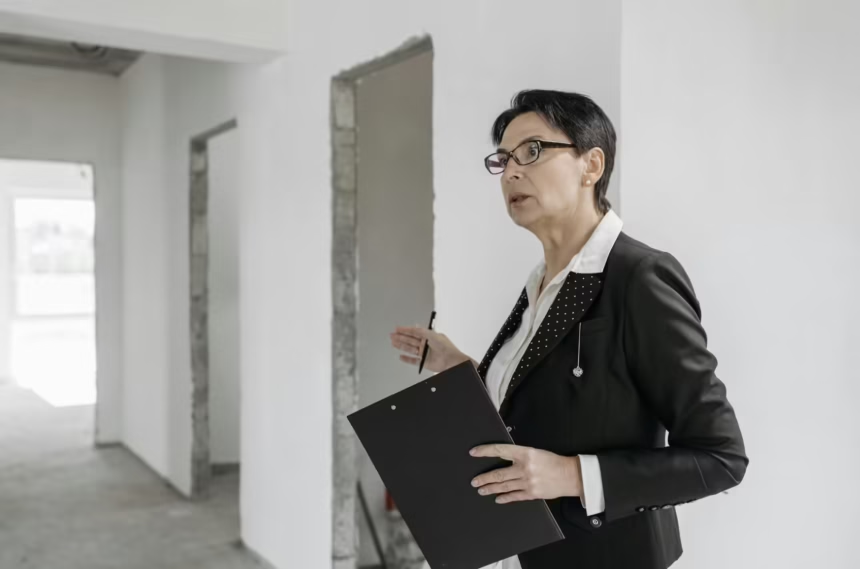
The walkthrough is an important part of the inspection where a landlord or manager looks at the apartment in detail – this step allows both people to look at the unit together and talk about any problems. Tenants who go to the walkthrough can ask questions and get clear answers about what the landlord expects.
Physical attendance allows a person to resolve disagreements right away. If a landlord and a tenant have different opinions regarding the condition of the rental property, the tenant is able to provide an explanation or present relevant records – this involvement frequently results in outcomes that are equitable for each party.
Reviewing Documentation Carefully
Property owners typically record the condition of a rental unit in a document – this report includes specific damages, necessary cleaning and associated expenses. It is helpful for residents to review this information thoroughly before providing a signature. Clear awareness of these details ensures that the final charges are predictable.
Careful reading also allows a tenant to ask for more information if a note is not clear or seems wrong. Good communication at this stage helps prevent fights and ensures both individuals agree on the state of the home at the time the tenant leaves.
Post Inspection Considerations
Understanding Final Charges
Tenants may receive a list of final charges or deposit deductions after the inspection is over – these costs are usually for cleaning, damages or rent that is not paid. Understanding how the landlord calculates these amounts helps a tenant decide if the charges are fair.
If a tenant does not agree with a deduction, they can look at the inspection notes and the lease rules. Understanding the inspection process makes it easier to fix disagreements and ensure that charges are correct.
Protecting Rental History
An inspection process that is managed well can protect the rental history of a tenant. Positive interactions during an inspection may help with future rental applications and create better relationships with landlords – this is very important for people who want to move into popular areas or find similar listings in Calgary.
Keeping a good rental record shows that a person is responsible and steady. Learning about inspection procedures before a lease ends helps achieve this result – preventing conflict and making the move between homes easier.
Conclusion
Learning about inspection procedures before a lease ends is necessary to avoid extra costs and ensure the move is simple. Every step is important for the final result, including preparing the unit, fixing items, attending the walkthrough and reading the documents. Tenants who learn the rules are more prepared to meet requirements and protect their money – this preparation also helps keep a good rental record, which makes it easier to get and manage future housing.