

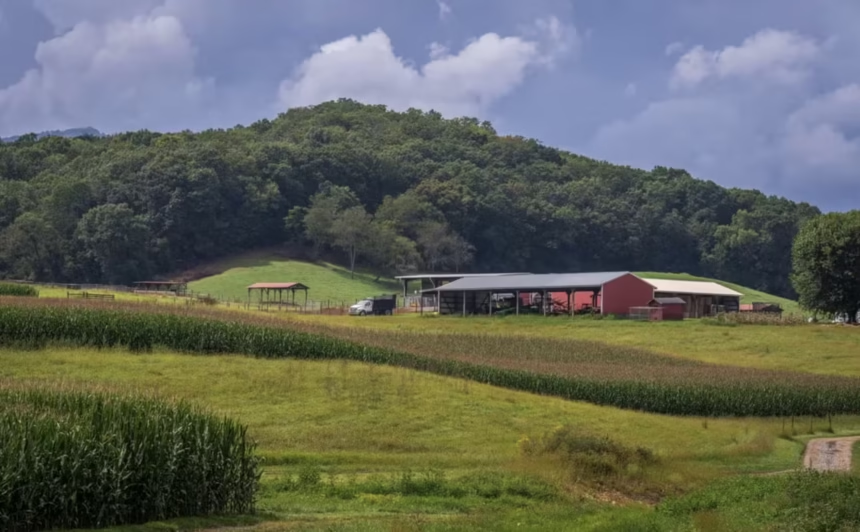
Do you love the idea of living in the countryside surrounded by cows and sheep, are you preparing to inherit a farm, or have you got aspirations to create a new agricultural business? If you’re thinking about taking over a farm, it’s essential to ensure you’re prepared. In this guide, we’ll outline some key considerations before you dive into your new venture.
Safety and security
Safety and security are among the most significant concerns for farmers and business owners. In the UK, theft costs UK farms more than £40 million per year, while in the US, crime figures are rising. Heavy vehicles and livestock theft have become increasingly common. Investing in security is crucial to minimize losses and protect your assets. It’s important to review measures frequently and to explore the defenses in place before you buy commercial farming land or take over the reins. From cattle grids for sale and robust gates and fences to smart alarm systems and foot patrols, there’s a huge range of options to explore. Consider your budget, identify threats and hazards, compare prices and services, and get help from security experts before deciding what to buy.
Technology and modernization
Farming has come a long way in a short space of time. Today, most land owners and farmers utilize modern technology to save time and effort, increase efficiency and productivity, and enhance the quality of their produce. Embracing new tech can help you optimize performance levels, compete with rival setups, and reduce the intensity of manual labor. It can also have a positive impact on animal well-being and employee and visitor safety.
It’s worth researching developments online, reading industry newspapers, magazines and blogs, and seeking advice from tech experts to see what kinds of investments or upgrades would benefit your business.
Staffing structures and costs
If you’re buying or inheriting a working farm, it’s wise to evaluate the current staff structure and associated costs. If you’re setting up a new agricultural firm, you’ll need to analyze staffing requirements and allocate funds for wages and employee expenses. Farms vary hugely in terms of size, scale and productivity. If your business is seasonal, it makes sense to increase staff numbers during busy periods and scale back when it’s quiet. Flexible solutions like short-term contracts and outsourcing specific activities and tasks often offer a cost-effective alternative to hiring.
Income streams
Modern-day farms are not limited to generating income through farming the land and selling produce. Innovative businesses and land owners are boosting revenues and diversifying income streams using creative ideas like hosting seasonal events. Pumpkin and strawberry picking, meet the animals events, private parties, festivals, and farm-themed celebrations during the holidays are fantastic examples you could consider. Marketing is key when you’re promoting events. Social media is a brilliant platform for spreading news, building hype, providing useful information about tickets, posting links to buy tickets, products and merchandise, and sharing photos and reviews from previous events.
Farming can be a lucrative industry, but it’s often challenging to generate profits, especially during periods when costs are rising. If you’re preparing to take over or inherit a farm, or you’re interested in setting up a new venture in this sector, key things to consider include site safety and security, staffing structures and costs, different income streams, and how to capitalize on modern technology.


