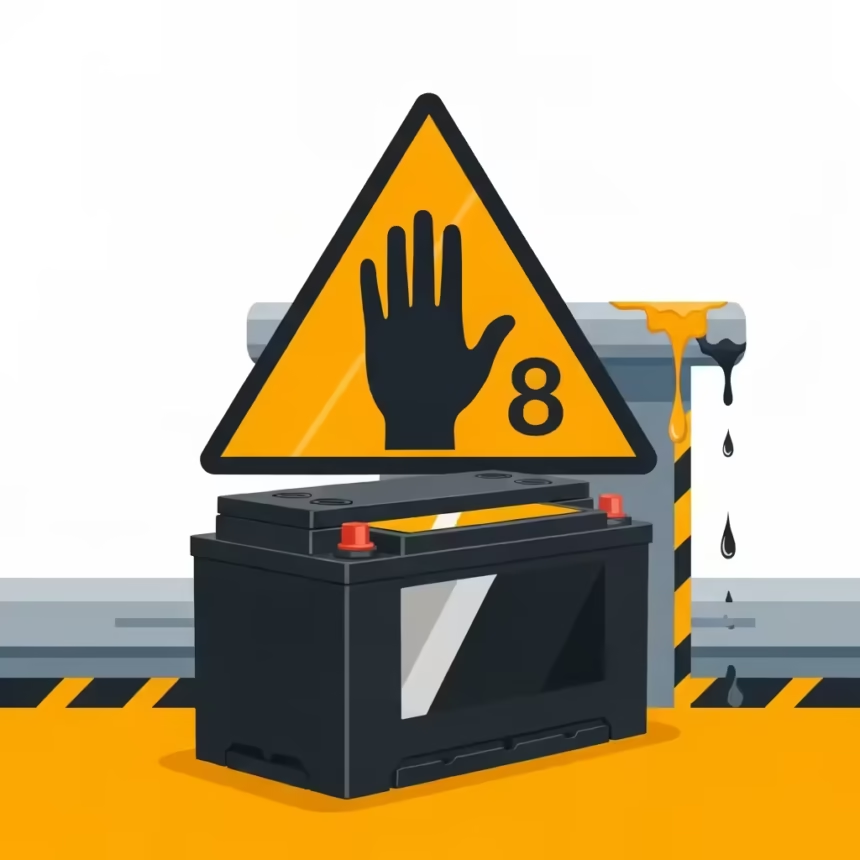
Automotive batteries, the unsung heroes powering our vehicles, are a prime example of Class 8 Hazardous Materials, specifically corrosive substances. Understanding this classification is crucial for safe handling, transportation, and disposal, impacting everyone from mechanics and manufacturers to consumers and waste management professionals. This article delves deep into why automotive batteries fall under this specific hazard class, exploring the underlying chemical properties, regulatory frameworks, and practical implications for managing these essential yet potentially dangerous components in 2026.
The vast majority of passenger vehicles on the road today rely on lead-acid batteries. These batteries, while incredibly effective for their intended purpose, contain potent chemicals that necessitate strict safety protocols. The primary components of a lead-acid battery are lead plates submerged in an electrolyte solution. This electrolyte is typically a mixture of sulfuric acid and water. It is this sulfuric acid that defines the battery’s hazard classification.
Understanding Hazard Classes: A Framework for Safety
Before pinpointing the exact hazard class for automotive batteries, it’s essential to grasp the concept of hazard classes. Globally, systems like the United Nations’ Recommendations on the Transport of Dangerous Goods (UNTDG) and national regulations such as the U.S. Department of Transportation’s (DOT) Hazardous Materials Regulations (HMR) categorize dangerous materials to ensure consistent identification, labeling, and handling procedures. These classes are designed to communicate the primary risk associated with a substance or material.
The UN system, widely adopted and influential, divides dangerous goods into nine classes, with several sub-classes. These classes are:
- Class 1: Explosives
- Class 2: Gases (flammable, non-flammable/non-toxic, toxic)
- Class 3: Flammable Liquids
- Class 4: Flammable Solids; Spontaneously Combustible Materials; Materials Liable to Spontaneous Combustion
- Class 5: Oxidizing Substances and Organic Peroxides
- Class 6: Toxic and Infectious Substances
- Class 7: Radioactive Material
- Class 8: Corrosives
- Class 9: Miscellaneous Dangerous Goods
Each class addresses a distinct type of danger, from the immediate explosive potential of Class 1 to the insidious long-term effects of Class 6. The classification system acts as a universal language for risk, enabling emergency responders, transporters, and handlers to take appropriate precautions.
The Corrosive Nature: Why Class 8 is the Defining Hazard
Automotive batteries unequivocally fall into Class 8: Corrosives. This classification is based on their ability to cause severe damage to living tissue or other materials through chemical action. The primary culprit within a lead-acid battery is sulfuric acid (H₂SO₄).
Sulfuric acid is a strong mineral acid. In the concentrated form typically found in automotive batteries (around 30-50% by weight), it is highly aggressive.
- Effect on Living Tissue: Contact with sulfuric acid can cause immediate and severe chemical burns to skin, eyes, and the respiratory tract. The acid dehydrates and destroys tissue proteins, leading to deep and painful wounds. Eye contact is particularly dangerous and can result in permanent blindness. Inhalation of sulfuric acid mists or vapors can severely irritate and damage the lungs.
- Effect on Materials: Sulfuric acid is also highly corrosive to many metals. It can corrode steel, aluminum, and other common construction materials, leading to structural weakening and potential failure. This corrosive action is why battery casings are made from robust, acid-resistant plastics like polypropylene.
The UN classification for corrosives (Class 8) specifically includes substances that, by chemical action, cause destruction of skin tissue upon contact, or, when leaking, damage or destroy other goods or the means of transport. Automotive batteries meet both criteria.
UN Number and Proper Shipping Name
Within the Class 8 category, specific dangerous goods are assigned a UN number and a proper shipping name for identification. Automotive batteries, when transported as hazardous materials, are typically identified under:
- UN Number: UN2800
- Proper Shipping Name: BATTERIES, WET, FILLED WITH ACID or BATTERIES, LEAD-ACID, WET, NON-SPILLABLE (depending on the specific battery type and packaging, with non-spillable batteries often having less stringent requirements).
This precise identification is critical for regulatory compliance, ensuring that the correct hazard labels are applied and that appropriate packaging and handling procedures are followed during transport.
Beyond the Electrolyte: Other Hazards Associated with Automotive Batteries
While the corrosive nature of the sulfuric acid electrolyte is the primary reason for Class 8 classification, automotive batteries present other associated hazards that contribute to their overall risk profile:
1. Flammability (Class 4.3 – Dangerous When Wet)
During the charging and discharging process, lead-acid batteries produce hydrogen gas (H₂). Hydrogen is highly flammable and can form explosive mixtures with air. If a spark or open flame is present near a battery that is gassing, a significant explosion can occur.
- Hydrogen Gas Generation: The electrochemical reaction within a lead-acid battery, especially when overcharged, produces hydrogen and oxygen.
- Positive Plate Reaction (Discharge): PbO₂ + SO₄²⁻ + 4H⁺ + 2e⁻ → PbSO₄ + 2H₂O
- Negative Plate Reaction (Discharge): Pb + SO₄²⁻ → PbSO₄ + 2e⁻
- Overall Reaction (Discharge): Pb + PbO₂ + 2H₂SO₄ → 2PbSO₄ + 2H₂O
- During charging, these reactions are reversed. However, overcharging can lead to the electrolysis of water in the electrolyte: 2H₂O → 2H₂ + O₂. This is where the significant production of flammable hydrogen gas occurs.
Because hydrogen gas is released when the battery comes into contact with water (or moisture in the air during charging), and it can ignite, batteries can sometimes be associated with Class 4.3 (Dangerous When Wet) hazards, though the primary classification remains Class 8 due to the electrolyte. The risk is particularly pronounced in enclosed spaces where hydrogen can accumulate.
2. Heavy Metal Toxicity (Lead)
The plates within a lead-acid battery are made of lead (Pb) and lead dioxide (PbO₂). Lead is a toxic heavy metal that poses significant health risks, particularly with chronic exposure.
- Health Effects of Lead Exposure: Lead poisoning can damage the nervous system, kidneys, reproductive system, and other organs. Children are especially vulnerable to the effects of lead, which can impair cognitive development. While the lead in a sealed battery is contained, improper handling, damage, or disposal can lead to environmental contamination and human exposure. Regulatory bodies like the Environmental Protection Agency (EPA) provide extensive information on lead risks and management.
While lead toxicity itself doesn’t directly dictate the transport hazard class (which focuses on immediate dangers), it is a critical factor in the overall lifecycle management and disposal considerations of automotive batteries. This is why battery recycling programs are so important.
3. Electrical Hazard
Lead-acid batteries store a significant amount of electrical energy. A fully charged 12-volt battery can deliver hundreds of amps under short-circuit conditions. This can cause:
- Short Circuits: Accidental contact between the terminals or with conductive materials can create a short circuit, leading to intense heat, sparks, melting metal, and potentially fires.
- Arc Flash: A severe short circuit can result in an arc flash, a dangerous release of electrical energy that can cause severe burns and other injuries.
This electrical hazard, while not a formal UN hazard class for transport in the same way as corrosivity, necessitates careful handling procedures to prevent accidental discharge and associated risks.
Regulatory Frameworks Governing Automotive Batteries
The classification of automotive batteries as Class 8 hazardous materials is reinforced by various national and international regulations.
United States Regulations
In the U.S., the Department of Transportation (DOT) regulates the transport of hazardous materials under the Hazardous Materials Regulations (HMR), found in Title 49 of the Code of Federal Regulations (49 CFR). These regulations align closely with the UN recommendations.
- 49 CFR Part 173: This section of the HMR details “Qualifications for shippers” and specifies requirements for the transportation of hazardous materials. It explicitly lists “Batteries, wet, filled with acid” (UN2800) as a Class 8 corrosive material.
- Packaging Requirements: The HMR mandates specific packaging standards for hazardous materials to prevent leaks and damage during transport. For wet automotive batteries, this includes requirements for robust, leak-proof outer packaging and, in some cases, absorbent materials to contain any potential electrolyte leakage.
- Labeling and Placarding: Vehicles transporting regulated quantities of hazardous materials, including Class 8 substances, must display specific placards. Packages must bear hazard labels indicating their classification.
The Pipeline and Hazardous Materials Safety Administration (PHMSA), part of the DOT, oversees the implementation and enforcement of these regulations in the United States.
International Regulations
Globally, the transport of dangerous goods is largely governed by the UN Recommendations on the Transport of Dangerous Goods (Model Regulations). These are further adapted into specific modal regulations:
- IMDG Code: International Maritime Dangerous Goods Code, for sea transport.
- IATA DGR: International Air Transport Association Dangerous Goods Regulations, for air transport.
- ADR/RID: European Agreement concerning the International Carriage of Dangerous Goods by Road (ADR) and Regulations concerning the International Carriage of Dangerous Goods by Rail (RID).
These international frameworks ensure that automotive batteries are treated as hazardous materials with consistent safety requirements regardless of the mode of transport or the countries involved.
Practical Implications of the Class 8 Hazard Classification
Understanding that automotive batteries are Class 8 corrosives has numerous practical implications across various sectors:
1. Manufacturing and Packaging
Manufacturers must design batteries with robust casings that can withstand the corrosive effects of the electrolyte and potential impacts during handling and transport. Packaging must meet stringent DOT and international standards to prevent leaks. This includes:
- Secure Sealing: Ensuring the battery vents are properly sealed or designed to prevent electrolyte spillage.
- Protective Packaging: Using sturdy outer boxes, often with absorbent cushioning, to contain any accidental leaks.
- Terminal Protection: Covering or protecting battery terminals to prevent short circuits.
2. Transportation and Logistics
Companies involved in transporting automotive batteries must adhere to strict regulations:
- Driver Training: Drivers handling hazardous materials must receive specialized training (e.g., Hazmat endorsement in the U.S.).
- Vehicle Requirements: Vehicles may need specific safety features and must display appropriate placards.
- Loading and Unloading Procedures: Careful handling is required to avoid damaging batteries and causing leaks.
- Emergency Response: Transport companies must have emergency response plans in place in case of accidents or spills.
The International Maritime Organization (IMO) provides comprehensive guidelines for the safe transport of dangerous goods by sea, including Class 8 materials.
3. Automotive Repair and Maintenance
Mechanics and service technicians regularly handle automotive batteries. They must be aware of the hazards:
- Personal Protective Equipment (PPE): Always wear safety glasses or goggles, acid-resistant gloves, and protective clothing when working with batteries.
- Ventilation: Ensure work areas are well-ventilated, especially when charging batteries, to prevent hydrogen gas buildup.
- Spill Containment: Have appropriate materials (like baking soda or a commercial acid neutralizer) readily available to clean up any electrolyte spills. Neutralizing the acid is key; baking soda (sodium bicarbonate) reacts with sulfuric acid to produce sodium sulfate, water, and carbon dioxide.
- Proper Lifting: Batteries are heavy; using proper lifting techniques or equipment prevents back injuries and accidental drops.
4. Disposal and Recycling
The corrosive nature and lead content of batteries make improper disposal a significant environmental hazard. Regulations mandate specific disposal methods:
- Recycling Mandates: Many jurisdictions have laws requiring the recycling of lead-acid batteries. This is crucial for recovering valuable lead and preventing environmental contamination. In the U.S., the Battery Council International (BCI) promotes responsible battery management and recycling.
- Hazardous Waste Facilities: Batteries that cannot be recycled must be disposed of at licensed hazardous waste facilities.
- Consumer Awareness: Consumers should be educated on returning old batteries to retailers or designated collection points for proper recycling.
The Evolution of Battery Technology and Hazard Classification
While lead-acid batteries remain dominant, the automotive industry is evolving. Electric vehicles (EVs) use different battery chemistries, primarily lithium-ion. These batteries, while not typically classified as Class 8 corrosives in the same way as lead-acid batteries, present their own unique set of hazards:
- Lithium-Ion Battery Hazards: These include risks of thermal runaway (uncontrolled overheating leading to fire or explosion), electrical hazards due to high voltages, and potential toxicity from certain materials if the battery is damaged. They are often classified under different hazard classes, such as Class 9 (Miscellaneous Dangerous Goods) for transport, depending on their specific chemistry and state of charge. The U.S. National Highway Traffic Safety Administration (NHTSA) provides guidance on EV battery safety.
However, for the vast majority of internal combustion engine vehicles and the existing automotive battery market, the Class 8 corrosive hazard remains the defining characteristic.
Case Study: Accidental Spill During Transit
A trucking company specializing in auto parts was transporting a pallet of new automotive batteries. During a routine stop, the pallet shifted, causing one of the batteries to rupture and leak sulfuric acid onto the truck bed and surrounding asphalt.
Immediate Actions Taken:
- Isolation: The driver immediately cordoned off the area to prevent unauthorized access and potential contact.
- Notification: The company’s safety manager was notified, who then contacted emergency services and the relevant environmental agency.
- Containment: The driver used absorbent pads and spill berms (if available) to contain the spread of the acid.
- Neutralization: Following guidance from the safety manager, the driver carefully applied a commercial acid neutralizer (or a large quantity of baking soda) to the spilled electrolyte. This process generated fizzing as the acid reacted.
- Cleanup and Disposal: Once neutralized, the spill area was cleaned, and the contaminated absorbent materials were collected in sealed containers for proper disposal as hazardous waste. The damaged battery was also secured for appropriate handling.
Lessons Learned:
- Securing the Load: The incident highlighted the critical importance of properly securing loads containing hazardous materials.
- Emergency Preparedness: The availability of spill kits and knowledge of neutralization procedures were vital.
- Regulatory Compliance: The company followed protocols for reporting spills and ensuring proper disposal, avoiding significant fines and environmental damage.
- Training Reinforcement: The incident prompted a refresher training session for all drivers on handling Class 8 materials and emergency spill response procedures.
This case illustrates the real-world consequences of failing to manage the Class 8 hazards associated with automotive batteries and underscores the necessity of robust safety protocols.
Frequently Asked Questions (FAQs)
What is the primary hazard class for automotive batteries?
Automotive batteries, specifically the common lead-acid type, are classified as Class 8 Corrosives. This is due to the presence of sulfuric acid electrolyte, which can cause severe damage to skin, eyes, and other materials upon contact.
Why are automotive batteries considered corrosive?
The sulfuric acid (H₂SO₄) used as the electrolyte in lead-acid batteries is a strong acid. In its concentrated form, it chemically reacts with and destroys organic tissues and many common materials, earning it the Class 8 hazard classification.
Are there other hazards associated with automotive batteries besides corrosivity?
Yes, while corrosivity is the primary classification, automotive batteries also present risks of flammable hydrogen gas generation (especially during charging), heavy metal toxicity from the lead components, and significant electrical hazards due to the stored energy.
How should spilled battery acid be cleaned up?
Spilled battery acid should first be contained to prevent spreading. Then, it must be neutralized. A common and effective neutralizer is baking soda (sodium bicarbonate) or a commercial acid spill neutralizer. Apply the neutralizer until the fizzing stops, indicating the acid has reacted. The neutralized residue and contaminated materials should then be collected and disposed of as hazardous waste according to local regulations. Always wear appropriate Personal Protective Equipment (PPE) during cleanup.
Do electric vehicle (EV) batteries have the same hazard classification?
No, electric vehicle batteries, typically lithium-ion, do not generally fall under the Class 8 corrosive hazard classification in the same way as lead-acid batteries. However, they present different significant hazards, including risks of thermal runaway, fire, and electrical dangers, often leading to classification under Class 9 (Miscellaneous Dangerous Goods) for transport, depending on their specific characteristics.
What regulations govern the transport of automotive batteries?
In the United States, the Department of Transportation’s Hazardous Materials Regulations (HMR), found in 49 CFR, govern the transport of automotive batteries. Internationally, regulations like the UN Recommendations on the Transport of Dangerous Goods, the IMDG Code (sea), and the IATA DGR (air) apply. These regulations ensure standardized safety measures for packaging, labeling, and handling.
Conclusion: Managing Risk Through Understanding
Automotive batteries, a ubiquitous component of modern transportation, are firmly classified as Class 8 Corrosives due to their sulfuric acid electrolyte. This classification, supported by extensive national and international regulations, mandates careful handling, transportation, and disposal practices. Beyond corrosivity, the associated risks of hydrogen gas flammability, lead toxicity, and electrical hazards further emphasize the need for stringent safety protocols throughout the battery’s lifecycle.
As the automotive industry shifts towards new energy sources, understanding the hazards of traditional lead-acid batteries remains critical for current operations and for managing the legacy fleet. By recognizing automotive batteries as Class 8 hazardous materials and adhering to the established safety guidelines, we can mitigate risks, protect human health, and safeguard the environment. The ongoing evolution of battery technology necessitates continuous adaptation of safety standards, but the fundamental principle of managing hazardous materials through informed classification and rigorous procedures remains paramount in 2026 and beyond.