

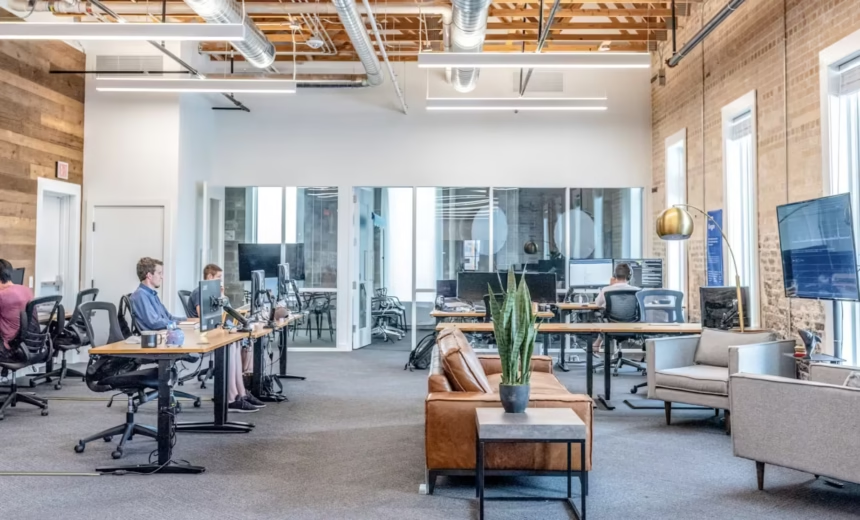
There was a time when businesses only sought efficiency from their premises. All they cared about was whether they could offset the inevitable depreciation against taxable income. Now, though, things are changing. Many companies are realizing that their business premises are a brand asset, not just somewhere that work takes place. Because of this, they’re investing more in transformations that are increasing structural longevity. Here’s what they’re doing
Implementing rigorous and regular inspections
The first thing that many of these companies are doing is implementing rigorous and regular inspections. These are to ensure that their existing structures are up to the task. Early detection of things like cracks or water damage can be invaluable. Companies that do it often find that their facilities last much longer than their competitors’, and they are able to achieve a cost advantage.
Furthermore, dealing with problems early on eliminates inevitable disruptions and helps retain talent. Workers are much more likely to stay if they are able to operate in a prestigious environment.
Adding premium elements and finishes to structural design
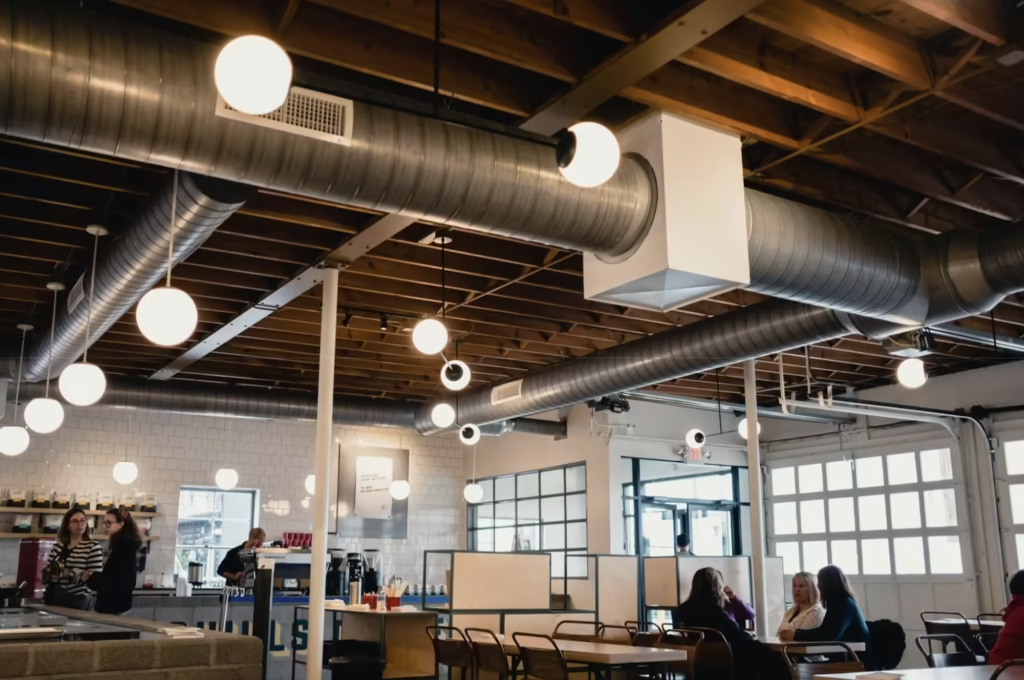
Discover The Business Premises Strategies Transforming Structural LongevityWe’re also seeing a lot of businesses adding premium elements and finishes to their basic structural design. Premises are no longer just a shelter for employees or a functional space where they can work on their computers, but are actively involved in employer and employee branding. Many major tech companies do this instinctively. For example, Google invests millions in offices that have beautiful structural elements and even indoor waterfalls.
Form Metal is a company in this space. It, for example, is seeing tremendous growth in demand for high-quality metal structural elements from its clients for their premises.
Prioritizing drainage and waterproofing systems
Linked with this last point, many companies and firms are now looking at ways to prioritize drainage and waterproofing systems at their enterprises, instead of allowing water to flow over the sides of gutters, down walls, and into the foundations. They’re looking for additional techniques to prevent this from happening.
For example, many companies are investing in added waterproof coatings, particularly on their roofs and in the areas around the base of their building. This reduces structural deterioration and protects against mold, corrosion, and erosion. As such, buildings are more likely to last longer, even if standard accounting depreciation rates apply.
Leveraging smart technology
We are also seeing businesses strategically transforming their premises for the purposes of longevity by using more smart technology. The IoT is critical for monitoring and can warn of things like high vibrations, excessive humidity, overuse of energy, or structural stress, all in real time. AI can then flag these anomalies and pass them on to the facilities management team to take action.
Building out the envelope
Finally, many companies are focusing on investing resources into building out their structural envelope. This means putting money into things like exterior walls, cladding, siding, and roofing. Understanding what needs to be done (such as replacing sealants or patching up stucco) is critical for keeping buildings in the right condition. Firms that have the proper maintenance practices in place are much more likely to be able to leverage their facilities as a brand asset.


