Key Takeaways
- Digital tipping platforms are transforming gratuity practices across various service industries.
- These platforms offer convenience but also raise questions about tipping norms and consumer behavior.
- Understanding the benefits and challenges of digital tipping can help consumers and businesses navigate this evolving landscape.
The Shift to Digital Tipping
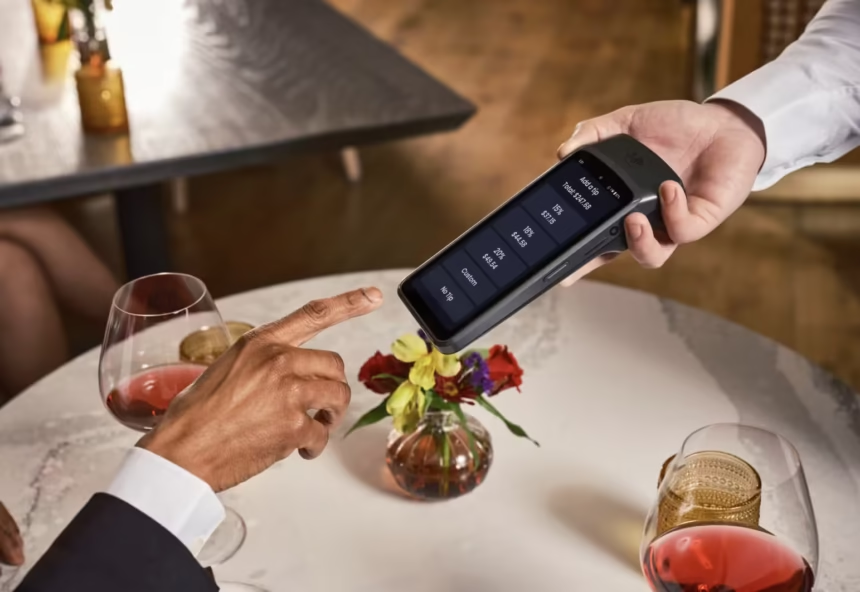
As fewer people carry cash, there has been a significant shift in how customers show appreciation for service workers. The rise of platforms such as a digital tipping platform has streamlined the process, letting customers tip service employees by simply tapping a screen or clicking a button. These solutions can be found across a variety of industries, from ride-sharing and food delivery to traditional hospitality, each adapting to a predominantly cashless society. For example, many hotels have upgraded their in-room services to include QR codes, allowing guests to leave tips digitally.
Digital tipping technology is not just a convenience for travelers. It also solves practical problems for businesses that no longer handle cash as frequently. This new gratuity method fits naturally into existing payment flows, often encouraging higher customer participation who might otherwise skip tipping due to a lack of cash. Additionally, as the shift grows, customer expectations about tipping are evolving.
The increase in digital tips is affecting service environments widely. Coffee shops, delivery services, and even personal care sectors now offer prompts for tips through apps and point-of-sale systems. This creates a new norm in which a gratuity request is almost always made after service is rendered, across industries.
For businesses, implementing digital tipping means getting the timing and presentation of these prompts right. Service workers in hospitality, food service, and transportation especially notice changes in how often and how much they are tipped. While many employees have embraced the transparency and regularity of digital tips, some consumers feel overwhelmed with the frequency of prompts.
Benefits for Service Workers
Introducing digital tipping platforms has led to notable advantages for workers on the front lines of service. Studies shared by The New York Times show that consumers are more likely to give generous tips when prompted digitally than when tipping in cash. This behavioral trend is driven largely by convenience and the social pressure created by digital interfaces, especially when customers are presented with curated tipping percentages or amounts.
Digital platforms also introduce a level of fairness in tip sharing that was difficult to guarantee with cash. Many systems automatically distribute tips to all staff on duty, eliminating uncertainty about whether all employees receive a fair share. This improved transparency not only builds trust among workers but can also help businesses comply with local labor regulations surrounding tip pooling.
The Psychological Side of Digital Giving
The psychology of digital giving is complex. Preset tip options, often starting at 15 percent and rising, could nudge consumers toward greater generosity. The speed and ease of adding a tip, especially during checkout, reduce friction and support impulse gratuity, leading to improved earnings for service providers.
Consumer Perspectives and Tipping Fatigue
The digital tipping revolution is not without its downsides for consumers. Many express a sense of “tipping fatigue” due to the proliferation of digital tip prompts in places where tipping was previously uncommon. The term “tipflation” describes the rising percentage requested in digital tip prompts, often leading to frustration or reluctance among customers.
This relentless tipping solicitation can negatively affect customers’ perceptions of a business. If consumers feel pressured or uncomfortable, they might skip tips altogether or even choose alternative service providers. Therefore, it is important for businesses to approach digital tipping with empathy and transparency to maintain goodwill with patrons.
Implementing Digital Tipping in Businesses
For businesses considering this technology, several factors are crucial to long-term success. The ease of integrating a digital tip platform with existing payment systems is often at the top of the list. Additionally, providing clear information about how tips are collected and distributed can enhance employee satisfaction and customer loyalty.
Transparent communication about tip allocation policies reassures employees that they will receive what is owed to them and helps customers feel secure that their gratuity is being fairly distributed. Training staff to explain the tipping process can further demystify digital gratuity systems for patrons who are unfamiliar with the technology.
Future Trends in Digital Tipping
The future of digital tipping is characterized by rapid technological growth and enhanced personalization. Next-generation platforms are expected to offer real-time tip tracking, enable social software integration, and suggest personalized tip amounts based on previous behavior. These innovations hold promise for businesses eager to create smoother and more rewarding experiences for both workers and customers.
The proliferation of digital tip technology promises to create a more seamless and transparent process, but businesses must be careful not to overstep customer tolerance levels. Keeping in touch with consumer sentiment and focusing on staff well-being will be essential for anyone looking to thrive in the digital tipping era.
Conclusion
Digital tipping platforms have rapidly become a fixture in service industries, fundamentally changing the way gratuity is both given and received. The convenience, transparency, and efficiency offered benefit both workers and businesses. However, the rise of these platforms brings new challenges, including tipping fatigue and shifting consumer expectations. As more businesses adopt these technologies, maintaining sensitivity to both staff needs and customer comfort will ensure that digital tipping continues to elevate service experiences for everyone involved.