

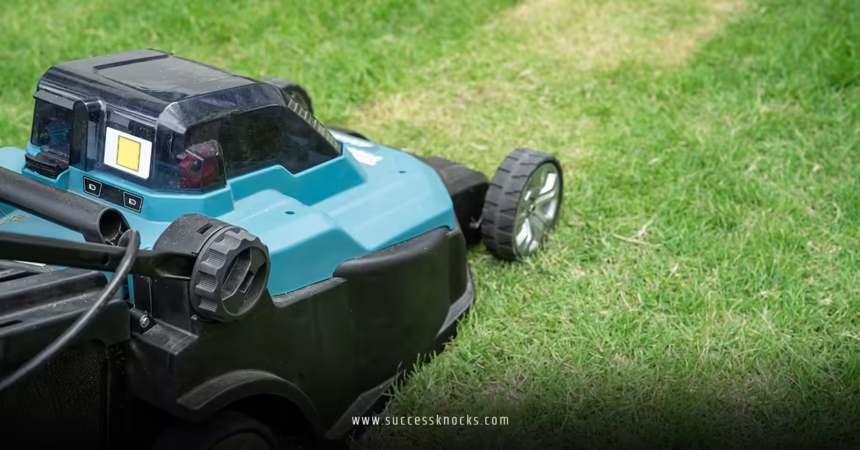
How to start a lawn mowing business is one of the most popular searches for aspiring entrepreneurs, and for good reason. This industry offers low startup costs, steady demand, and the potential for serious growth. Whether you’re looking for a summer side hustle or planning to build the next landscaping empire, lawn care provides a proven path to business ownership.
Quick Overview: Starting Your Lawn Mowing Business
• Initial investment: $2,000-$10,000 for basic equipment and licensing • Timeline: 2-4 weeks from planning to first customer
• Key requirements: Business license, insurance, reliable equipment • Revenue potential: $30-$80 per hour for residential services • Growth path: Scale from solo operator to crew-based company
The beauty of this business? People always need their grass cut, regardless of economic conditions. But success isn’t guaranteed just because you own a mower.
Why Lawn Care Is Still a Smart Business Choice in 2026
The lawn care industry generates over $115 billion annually in the United States, according to the Bureau of Labor Statistics. That’s not pocket change.
Here’s what makes this business particularly attractive:
Recurring revenue model. Once you land a client, they typically need service every week during growing season. No hunting for new customers constantly.
Low barrier to entry. You don’t need a college degree or specialized training to get started. Basic equipment knowledge and strong work ethic will take you far.
Scalable operation. Start solo, add crew members as you grow. Many successful lawn care companies began with one person and a push mower.
The kicker? Most homeowners view lawn care as essential, not optional. Even during tough economic times, property maintenance remains a priority.
Step-by-Step Action Plan: Launch in 30 Days
Week 1: Foundation and Planning
Day 1-2: Market Research Drive through target neighborhoods. Count how many properties could use your services. Look for overgrown lawns, inconsistent maintenance, or properties with “For Sale” signs (new owners often need lawn care).
Day 3-4: Business Structure Choose your business structure. Most lawn care startups begin as sole proprietorships for simplicity, then convert to LLCs as they grow for liability protection.
Day 5-7: Legal Requirements
- Register your business name
- Obtain required licenses (varies by state/city)
- Apply for EIN from IRS
- Research local permit requirements
Week 2: Equipment and Insurance
Essential Equipment Checklist:
| Item | Budget Option | Professional Grade | Why You Need It |
|---|---|---|---|
| Mower | Used walk-behind ($300-800) | New zero-turn ($3,000-8,000) | Core service tool |
| Trimmer | Basic electric ($100-200) | Commercial gas ($300-500) | Edge work, tight spaces |
| Blower | Handheld ($80-150) | Backpack ($200-400) | Cleanup, professional finish |
| Truck/Trailer | Used pickup ($5,000+) | New with enclosed trailer ($25,000+) | Equipment transport |
Insurance is non-negotiable. General liability coverage typically runs $400-800 annually for small operations. Many clients require proof of insurance before hiring.
Week 3: Pricing and Marketing Setup
Pricing Strategy: Research local competitors, but don’t automatically go lowest. Price based on value, not just competition. Factor in:
- Drive time between properties
- Property size and complexity
- Frequency of service
- Additional services (trimming, cleanup)
Most residential properties range from $30-80 per visit, depending on size and location.
Marketing Fundamentals:
- Create simple business cards
- Set up basic website (even a single page helps credibility)
- Design door hangers for target neighborhoods
- Establish social media presence
Week 4: Launch and First Customers
Start with friends, family, and neighbors. Their testimonials and referrals become your foundation for growth.
The door-hanger strategy works. Hit 100-200 houses in your target area. Expect 1-3% response rate initially. As your reputation builds, referrals will carry the load.
Choosing Your Equipment: Don’t Overspend Early
Here’s the thing about equipment: you’ll be tempted to buy the fanciest gear right away. Resist that urge.
Start with reliable, not remarkable. A dependable used walk-behind mower will serve you better than an expensive machine that’s constantly breaking down. Many successful operators still use 10+ year old equipment because it’s paid for and reliable.
Key equipment considerations:
Commercial vs. residential grade: Commercial equipment costs more upfront but handles daily use better. If you’re planning serious growth, invest in commercial from the start.
Financing vs. cash: Equipment financing is available, but cash purchases give you immediate ownership and lower total cost. Used equipment often provides better value for startups.
Maintenance planning: Budget 10-15% of equipment value annually for maintenance and repairs. A good relationship with a local repair shop is worth its weight in gold.
Pricing Your Services: The Psychology of Lawn Care
Pricing isn’t just math—it’s psychology. Homeowners don’t just buy grass cutting; they buy peace of mind, curb appeal, and time savings.
Value-based pricing beats race-to-the-bottom pricing every time. The cheapest provider rarely builds a sustainable business. Instead, focus on:
- Reliability (show up when promised)
- Quality results (clean, professional finish)
- Communication (updates, scheduling, billing)
- Additional services (seasonal cleanup, snow removal)
Seasonal pricing considerations:
- Peak season (spring/summer): Standard rates
- Shoulder seasons: Potential premium for leaf cleanup
- Off-season: Snow removal or equipment maintenance
The subscription model advantage: Monthly billing smooths cash flow and improves customer retention. Clients appreciate predictable payments over variable weekly charges.
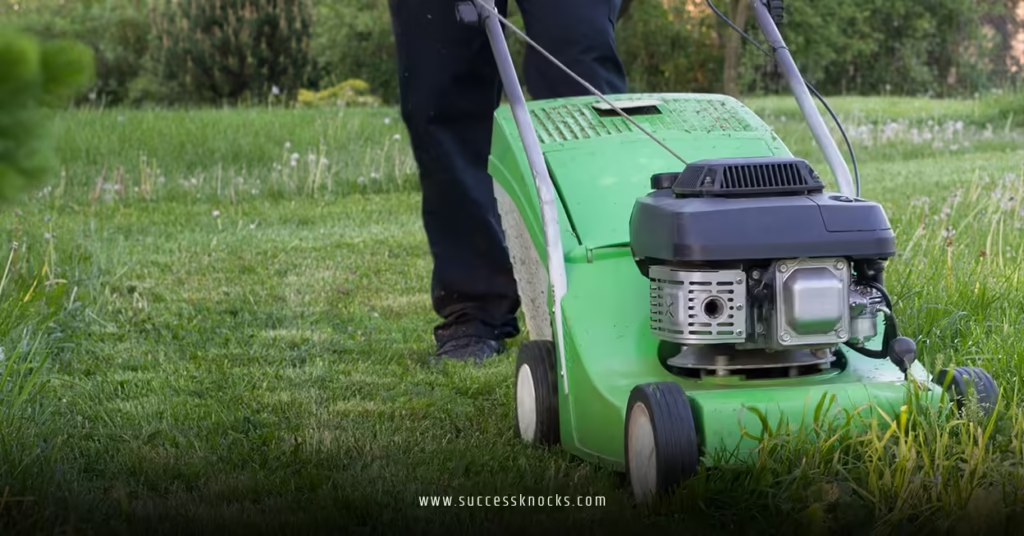
Common Mistakes That Kill Lawn Care Businesses
Mistake #1: Underpricing to win customers Fix: Calculate true costs including fuel, equipment depreciation, insurance, and your time. Add reasonable profit margin. Cheap work attracts problem customers.
Mistake #2: Skipping insurance and legal setup Fix: One lawsuit can destroy an uninsured business. Protect yourself from day one with proper coverage and business structure.
Mistake #3: Taking every customer Fix: Some clients aren’t worth the hassle. Problem customers who constantly complain, pay late, or demand unreasonable service drain energy from good customers.
Mistake #4: Neglecting equipment maintenance Fix: Regular maintenance costs less than emergency repairs. Keep maintenance logs and follow manufacturer schedules religiously.
Mistake #5: Growing too fast without systems Fix: Rapid growth without proper systems creates chaos. Establish billing, scheduling, and quality control processes before adding customers.
Building Your Customer Base: Beyond Door Hangers
The referral multiplier effect: Happy customers typically refer 2-3 new clients annually. A satisfied customer base becomes your best sales team.
Digital marketing that actually works:
- Google My Business listing with photos and reviews
- Next-door neighborhood app presence
- Facebook local community groups
- Simple website with service areas and contact info
Seasonal marketing opportunities:
- Spring: Cleanup and first cuts
- Summer: Vacation coverage for DIY homeowners
- Fall: Leaf removal and winterization
- Winter: Plan next year’s growth
Partnership opportunities: Build relationships with real estate agents, property managers, and home improvement contractors. They encounter homeowners needing lawn care regularly.
Key Takeaways for Lawn Care Success
• Start lean: Basic reliable equipment beats expensive gear you can’t afford to maintain • Focus on quality: Consistent, professional service builds sustainable customer relationships
• Price for profit: Underpricing creates unsustainable business model and attracts problem customers • Invest in legal protection: Proper insurance and business structure protect personal assets • Build systems early: Establish processes for scheduling, billing, and quality control before scaling • Leverage satisfied customers: Referrals provide highest-quality leads at lowest acquisition cost • Plan for seasonal variations: Diversify services or save peak-season profits for slower periods • Know your numbers: Track costs, profit margins, and customer lifetime value religiously
Scaling Beyond Solo Operation
Once you’ve established steady customer base and proven systems, growth becomes possible. The jump from solo operator to employer requires different skills and mindset.
Hiring considerations:
- Reliable transportation and clean driving record
- Physical ability for demanding outdoor work
- Basic communication skills for customer interaction
- Drug testing and background checks protect your reputation
Crew management basics:
- Clear job expectations and training procedures
- Fair compensation that reduces turnover
- Equipment responsibility and maintenance training
- Customer service standards and protocols
The goal isn’t to work harder—it’s to work smarter by building systems that operate without your constant presence.
Conclusion
How to start a lawn mowing business successfully comes down to treating it like a real business from day one. Skip the handshake deals and casual approach. Professional operations with proper planning, equipment, and customer service separate successful companies from weekend warriors.
The opportunity is real. The demand is consistent. The barriers to entry remain low. But success requires more than just owning a mower—it demands business fundamentals, customer focus, and the discipline to build something sustainable.
Your first customer is waiting. Time to get started.
Frequently Asked Questions
Q: How much does it cost to start a lawn mowing business?
A: Initial startup costs range from $2,000-$10,000 depending on equipment choices. You can start with basic used equipment and upgrade as revenue grows. The key is buying reliable gear that won’t leave you stranded during peak season.
Q: Do I need special licenses to start a lawn mowing business?
A: Requirements vary by location, but most areas require a basic business license. Some municipalities require contractor licenses for lawn care services. Check with your city clerk’s office and state business registration office for specific requirements in your area.
Q: How much can I charge for lawn mowing services?
A: Residential lawn mowing typically ranges from $30-$80 per visit, depending on property size, location, and service complexity. Factor in travel time, equipment costs, and desired profit margin when setting rates. Value-based pricing often outperforms lowest-bid strategies.
Q: What insurance do I need for a lawn mowing business?
A: General liability insurance is essential, typically costing $400-$800 annually for small operations. Consider commercial auto insurance if using business vehicles, and workers’ compensation if hiring employees. Many clients require proof of insurance before hiring.
Q: How many customers do I need to make a full-time living with how to start a lawn mowing business?
A: Full-time income typically requires 40-60 regular customers serviced weekly during growing season. This varies based on service rates, operating efficiency, and local season length. Many operators supplement with seasonal services like snow removal or spring cleanup.


